Watering
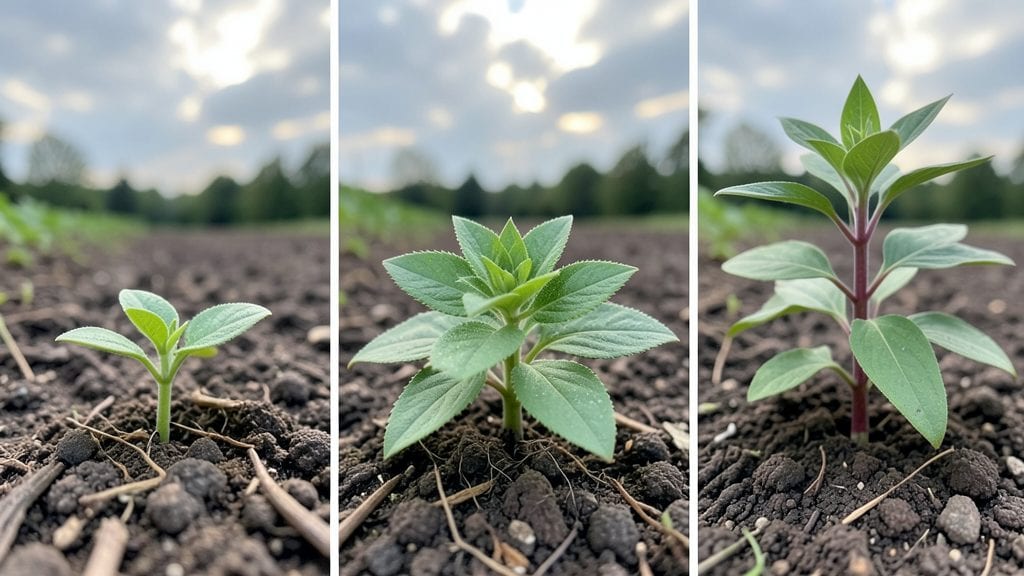
Zinnia seedlings grow through four distinct stages, each with its own visual cues and care needs. 🌱 I’ve tracked these stages for years, and knowing what to expect at each phase makes the difference between healthy plants and leggy failures.
The first true leaves appear just days after germination, signaling it’s time to adjust light and watering.
At the two-leaf stage, seedlings need more space and stronger light to prevent stretching. I use a simple grow light or move them to a sunny windowsill, keeping soil consistently moist but never soggy. This is also when you can start hardening off seedlings if you’re ready to transplant outdoors.
By the four-leaf stage, zinnia seedlings look like miniature versions of mature plants, with sturdy stems and vibrant color. This is the perfect time to fertilize lightly with a balanced solution to encourage robust growth.
Watch for true leaves—these are the ones that resemble adult foliage, not the initial seed leaves.
Transplanting happens when seedlings reach about 3-4 inches tall, with at least three sets of true leaves. The key is to handle them gently and bury them deeper than they were in their pots—this strengthens their stems and prevents toppling.
With the right care, you’ll see blooms in as little as 6-8 weeks!
📚 In This Guide
- What you need
- Instructions
- Tips and common mistakes
- Wrapping up and next steps
What you need
- ● Seeds: 1 packet of zinnia seeds (choose a variety like Benary’s Giant or Profusion for vibrant blooms).
- ● Seed starting mix: 1 bag (1–2 cubic feet) of sterile, well-draining potting mix (avoid garden soil—it’s too dense!).
- ● Containers: 2–4 small pots (3–4 inches wide) or a seed tray with individual cells (for easy transplanting).
- ● Watering can or spray bottle: A fine-mist nozzle helps avoid disturbing seeds.
- ● Grow lights or sunny windowsill: A full-spectrum LED grow light (12–16 hours/day) or a south-facing window (6+ hours of sunlight).
- ○ Heat mat (optional but helpful): A seedling heat mat (70–80°F range) speeds up germination.
- ● Fertilizer: A balanced, water-soluble fertilizer (5-10-5 or 10-10-10) for seedlings.
- ● Plant labels: Small sticks or markers to track varieties and planting dates.
- ● Tweezers: For delicate seed handling (especially tiny seeds!).
- ● Humidity dome or plastic wrap: Keeps moisture in during germination (remove once sprouts appear).
- ● Pruning shears: For pinching back leggy seedlings later.
- ● Transplanting tray (later stage): Larger pots (4–6 inches) for hardening off seedlings.
How to identify zinnia seedling stages for perfect growth
Watch your zinnias transform from tiny sprouts to vibrant blooms by learning these key stages.
🌱 Step 1: Germination (Days 5-14)
The first stage is all about patience. After sowing seeds at ¼ inch deep in warm, moist soil, germination begins when tiny cotyledons (the first true leaves) push through the surface. This usually happens 5-14 days after planting, depending on temperature—70-75°F is ideal.
You’ll notice the soil surface split open as the seedling emerges. Keep the soil consistently moist but not soggy during this time. If you see mold or blackened stems, reduce watering immediately—this is a sign of damping-off, a fungal disease that attacks weak seedlings.
🌿 Step 2: First True Leaves (Days 14-21)
Once the cotyledons appear, wait 7-10 more days for the first true leaves to develop. These look different from the initial pair—they’ll be smaller, more rounded, and arranged in a spiral pattern. This is when your seedlings are most vulnerable to legginess, so move them to bright, indirect light immediately.
If your seedlings stretch toward the light with pale stems, they’re not getting enough light. Rotate the tray quarter-turn daily to encourage even growth. At this stage, thin seedlings to 1 inch apart if they’re crowded—this prevents competition for nutrients and strengthens remaining plants.
☀️ Step 3: Seedling Hardening (Days 21-30)
By 3-4 weeks, your zinnias should have 4-6 true leaves and sturdy stems. This is the perfect time to harden off seedlings before transplanting. Start by placing them outside in a shaded, sheltered spot for 1-2 hours the first day, gradually increasing exposure over 7-10 days.
Watch for wilting or yellowing leaves—this means they’re not ready for full sun yet. Once they tolerate 6+ hours of sunlight without stress, they’re ready for the garden. Transplant in the late afternoon to reduce shock, and water deeply at the base to encourage root establishment.
🌼 Step 4: Vegetative Growth (Weeks 4-6)
After transplanting, your zinnias enter rapid growth mode. You’ll see new leaves and stems emerge quickly, along with the first signs of bud formation at the top of the plant. This stage thrives on full sun (6-8 hours daily) and consistent moisture—let the top 1-2 inches of soil dry between waterings.
Pinch back the top set of leaves when the plant reaches 6 inches tall to encourage bushier growth. This might seem counterintuitive, but it prevents leggy stems and promotes more blooms. You’ll notice side shoots sprouting within 7-10 days—these will become your future flowers.
⏰ Step 5: Flowering and Maturity (Weeks 6-10+)
The final stage is when your zinnias bloom—usually 6-10 weeks after sowing, depending on variety. You’ll spot buds opening into vibrant flowers in shades of pink, red, orange, or yellow. Deadhead spent blooms by snipping stems just above a set of leaves to encourage continuous flowering.
Mature zinnias grow 12-36 inches tall, depending on the type. If they flop over, stake or cage them early to support their weight. Harvest blooms in the morning for the longest vase life—this is when they’re at their freshest and most vibrant.
Tips & tricks for perfect zinnia seedling growth
Here's what nobody tells you about growing zinnias from seed—these tricks will help you avoid common pitfalls and get the strongest, healthiest plants.
Temperature Matters: Those ideal 70-75°F temperatures for germination aren't just numbers—they're critical for speed and success. If your home runs cooler, place your seed tray on a heating mat or near a sunny window. I've seen germination times stretch to 21 days in cooler conditions (50°F or below) instead of the expected 5-14 days. Keep a small thermometer near your seeds to monitor the soil temperature—it should stay consistently warm during germination.
Lighting Secret: During the First True Leaves stage (Days 14-21), leggy seedlings are a dead giveaway your plants need more light. If you notice pale stems and leaves stretching toward the light source, it's time to act. Move your seedlings to the brightest spot in your home, even if it means using a dedicated grow light. I recommend a simple LED grow light on a timer for 12-14 hours daily—this prevents the stretching that can weaken your seedlings before they even reach the garden.
Hardening Off Strategy: The 7-10 day hardening process is where many gardeners rush and end up with shocked plants. Start slow—just 1-2 hours on day one in partial shade, then gradually increase exposure. I've learned the hard way that moving seedlings too quickly to full sun can cause permanent damage. Watch for subtle signs: if leaves curl slightly but then recover, your plants are adjusting fine. If they wilt and stay that way, they're not ready yet.
Pinching Technique: When your zinnias reach 6 inches tall in the Vegetative Growth stage, that pinch back might seem counterintuitive—but it's a game-changer. Use clean scissors to snip just above a set of leaves where you want new growth to sprout. I always pinch in the morning so plants have the whole day to recover. You'll notice side shoots appearing within 7-10 days, and these will develop into stronger stems with more blooms. This simple step can triple your flower production!
Pro Tips for Zinnia Seedling Stages
- Here's what nobody tells you about growing zinnias from seed—these tricks will help you avoid common pitfalls and get the strongest, healthiest plants.
- Temperature Matters: Those ideal 70-75°F temperatures for germination aren't just numbers—they're critical for speed and success.
- Lighting Secret: During the First True Leaves stage (Days 14-21), leggy seedlings are a dead giveaway your plants need more light.
Frequently asked questions
about zinnia seedling stages—because growing these cheerful blooms should be stress-free! Here are answers to the most common questions to keep your seedlings thriving.How long does it take for zinnia seedlings to germinate?
Zinnia seeds typically germinate in 7–14 days under ideal conditions (warm soil, 70–75°F, and consistent moisture). Keep the soil damp but not soggy, and place trays in bright, indirect light until sprouts appear. Patience is key—some varieties may take a little longer!
When should I transplant zinnia seedlings outdoors?
Transplant seedlings after the last frost when soil temperatures reach at least 55°F and nighttime temps stay above 50°F. Seedlings should have 2–4 true leaves and be hardened off (acclimated to outdoor conditions) for 7–10 days beforehand. Morning hours are best to avoid stress from afternoon heat.
Why are my zinnia seedlings turning yellow or leggy?
Yellowing leaves often signal overwatering or nutrient deficiency, while leggy seedlings mean they’re stretching for light. Adjust watering to keep soil moist but not waterlogged, and move seedlings closer to a bright, sunny window or use a grow light. A balanced fertilizer (like 10-10-10) can also help.
Can I grow zinnias from cuttings instead of seeds?
Yes! Zinnias can be propagated from softwood cuttings taken from healthy, non-flowering stems. Dip the cut end in rooting hormone, plant in moist potting mix, and cover with a plastic bag to retain humidity. Keep in bright, indirect light until roots form (about 2–4 weeks). This method is great for preserving favorite varieties!
What’s the best temperature range for zinnia seedlings?
Zinnia seedlings thrive in daytime temps of 65–75°F and nighttime temps above 50°F. Avoid cold drafts or sudden temperature drops, which can stunt growth. If your home runs cool, use a seedling heat mat (set to 70–75°F) until sprouts emerge. Once outdoors, ensure they’re protected from late frosts.
Wrapping up and next steps
Growing zinnias from seed is a rewarding journey filled with vibrant blooms and simple milestones! By understanding each stage—from germination to maturity—you’ll set your seedlings up for success. Remember: patience, proper care, and a little love are all it takes to transform tiny seeds into stunning flowers. 🌱✨
Now that you’re armed with knowledge, it’s time to get growing! Start by gathering your supplies and planting those seeds—your garden (and future pollinators) will thank you. Happy gardening! 🌸💚