
Pests
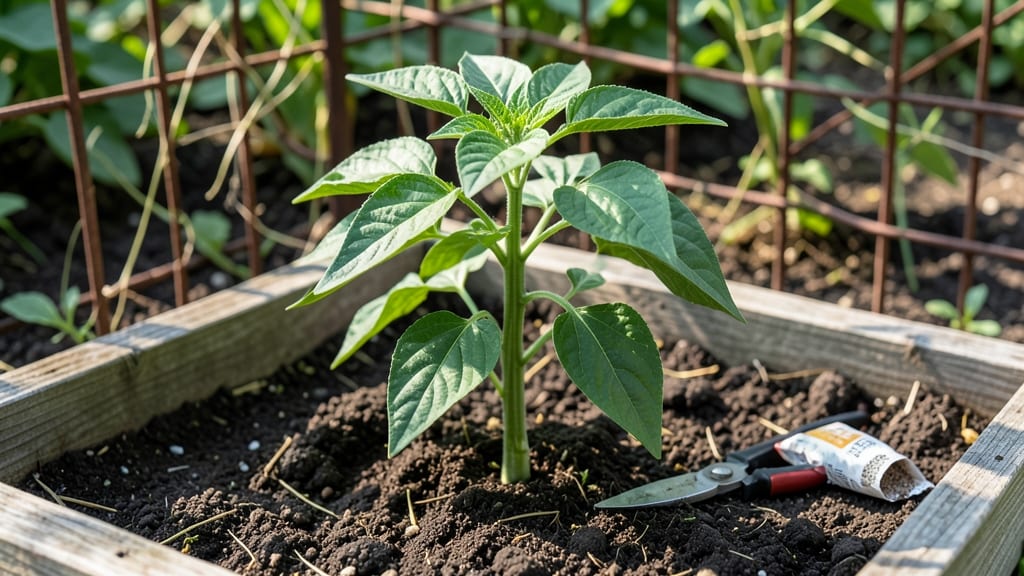
When your pepper seedling leaves start showing strange spots or curling, it’s a sign pests or disease are already at work. 🌱 I’ve watched aphids turn my seedlings into sticky, yellow messes in just days, and the key to saving them is catching problems early—before they spread to your whole garden.
The first step is identifying what’s wrong: tiny holes mean spider mites, sticky residue signals aphids, and brown spots could be fungal. Most issues start small—check the undersides of leaves and stems first.
Prevention is simple: keep seedlings in bright light, water at the base (not overhead), and isolate new plants for a few days to spot trouble early.
Once you’ve identified the problem, act fast. For pests, a strong spray of water or neem oil usually knocks them back. Fungal spots respond to copper fungicide or baking soda spray. Within a week, you’ll see healthier leaves pushing out, and your seedlings will bounce back stronger than before.
If the damage keeps spreading despite your efforts, it might be time to call in a local extension office. They can help diagnose stubborn cases and recommend targeted solutions. The good news? Most seedling issues are fixable with quick action—don’t let a few pests ruin your harvest.
Root Causes Of Leaf Trouble
Understanding why your pepper seedling leaves are under attack—or simply struggling—starts with identifying the hidden triggers lurking in your garden. These issues often stem from environmental stress, microbial invasions, or even your own gardening habits.
Let’s break down the science-backed reasons behind the damage and how they manifest in your plants.
Pepper seedlings thrive in well-drained soil, but when they sit in soggy conditions, their leaves become prime targets for disease and rot. Here’s why:
- Oxygen Starvation: Roots need oxygen to absorb nutrients.
Overwatering displaces air pockets in the soil, suffocating roots and weakening the plant’s immune system. - Fungal Feasts: Excess moisture creates the perfect breeding ground for fungal pathogens like Phytophthora or Pythium, which cause: - Damping-off (seedlings collapse at the base). - Leaf spots (dark, water-soaked patches). - Wilting (even when soil is wet). - Nutrient Leaching: Waterlogged soil flushes away essential nutrients, leaving seedlings malnourished and vulnerable.
Actionable Fix:
- Use containers with drainage holes or raised beds.
- Test soil moisture by sticking your finger 1 inch deep—water only if it’s dry.
- Amend heavy clay soil with perlite or compost to improve aeration.
Tiny invaders like aphids, spider mites, and thrips don’t just nibble—they inject toxins and spread viruses. Here’s how they sabotage your seedlings:
- Aphids: These sap-sucking pests excrete honeydew, a sticky residue that fosters sooty mold (black fungal growth on leaves).
- Spider Mites: In dry conditions, they pierce cells, causing silver or yellow stippling on leaves.
- Thrips: They scratch leaf surfaces, leaving behind irregular brown scars and transmitting tobacco mosaic virus.
Actionable Fix:
- Inspect leaves daily (use a magnifying glass for mites).
- Spray with neem oil (1 tsp per quart of water) or introduce ladybugs (natural predators).
- Isolate infected seedlings to prevent spread.
Pepper seedlings need a balanced diet of nitrogen (N), phosphorus (P), and potassium (K). When one is missing, leaves send distress signals:
| Deficiency | Leaf Symptoms | Quick Fix |
|---|---|---|
| Nitrogen (N) | Yellowing lower leaves (chlorosis) | Add compost tea or blood meal |
| Phosphorus (P) | Dark green/purple stems, stunted growth | Use bone meal or rock phosphate |
| Potassium (K) | Brown leaf edges (scorch) or weak stems | Apply wood ash or Epsom salt |
| Magnesium (Mg) | Interveinal yellowing (between veins) | Spray magnesium sulfate (Epsom salt) |
Pro Tip: 💡 Conduct a soil test before planting—many garden soils lack critical micronutrients like zinc or iron, which also cause leaf discoloration.
Pepper seedlings are sensitive to extremes. Sudden changes in temperature, humidity, or light trigger physiological disorders:
- Cold Stress: Below 50°F (10°C), seedlings develop grayish-brown patches (cold injury) or stunted growth.
- Heat Stress: Above 90°F (32°C), leaves curl and scorch (especially in direct sun).
- Low Humidity: Leaves crisp at the edges (like paper) due to transpiration stress.
Actionable Fix:
- Use row covers for frost protection.
- Provide shade cloth (30-50%) during heatwaves.
- Mist seedlings in dry climates to maintain humidity.
Fungal, bacterial, and viral infections hijack plant cells, causing:
- Bacterial Spot (Xanthomonas): Tiny water-soaked lesions with yellow halos.
- Powdery Mildew (Erysiphe): White, fluffy coatings on leaves (thrives in humid conditions).
- Viral Mosaic: Yellow-green mottling (often from aphids spreading viruses).
Actionable Fix:
- Remove infected leaves immediately (sterilize pruners with rubbing alcohol).
- Water at the base (avoid wetting foliage).
- Rotate crops to prevent soil-borne diseases from recurring.
Quick Fixes for Pepper Seedling Leaf Issues
When your pepper seedlings show signs of distress, acting fast can save your crop. Below are targeted solutions for common problems—whether it’s pests, disease, or environmental stress—along with prevention tips to keep your seedlings thriving. Each fix is designed to be simple, effective, and garden-friendly.
If tiny bugs or chewed leaves are the culprit, here’s how to eliminate pests without harming your plants:
🔥 Aphids or Spider Mites? Blast Them Off Fix:
- Spray with soapy water (1 tsp mild dish soap + 1 quart water). Directly hit infested leaves—aphids will drop off instantly.
- Introduce beneficial insects: Ladybugs or lacewings devour these pests naturally.
Release them in the evening when they’re most active. - Neem oil spray (1 tbsp neem oil + 1 tsp soap + 1 quart water). Spray every 5–7 days until pests vanish.
Prevention: ✔ Inspect new plants before bringing them indoors or into the garden. ✔ Use reflective mulch (like aluminum foil) to deter whiteflies and aphids.
🍳 Slugs or Snails Munching Leaves? Trap and Remove Fix:
- Beer traps: Bury a shallow container (like a yogurt cup) filled with beer. Slugs crawl in and drown overnight.
- Diatomaceous earth (DE): Sprinkle food-grade DE around seedlings.
It dehydrates slugs in 24–48 hours (reapply after rain). - Handpick at night when slugs are active—drop them in soapy water.
Prevention: ✔ Remove hiding spots (boards, thick mulch) near seedlings. ✔ Plant slug-repelling companions like marigolds or basil nearby.
Yellowing, wilting, or mushy stems? Fungal or bacterial infections need immediate action:
💡 Powdery Mildew or Downy Mildew? Scrub and Spray
Fix: - Baking soda spray: Mix 1 tsp baking soda + 1 quart water + a drop of soap.
Spray every 3–4 days until clear. - Prune infected leaves with sterilized scissors (dip in rubbing alcohol). - Improve airflow: Space seedlings 6–8 inches apart and avoid overhead watering.
Prevention: ✔ Water at the base (never the leaves) to keep foliage dry. ✔ Rotate crops yearly to prevent soil-borne diseases.
🍅 Black or Brown Spots? Fungal Spot Treatment
Fix:
- Copper fungicide spray (follow label instructions) for early-stage spots.
- Hydrogen peroxide spray (1 tbsp 3% H₂O₂ + 1 quart water). Spray once a week to prevent spread.
- Remove and destroy severely infected leaves (don’t compost them!).
Prevention: ✔ Sterilize tools between plants to avoid cross-contamination. ✔ Use resistant varieties like ‘Early California Wonder’ for pepper seedlings.
Pale, yellow, or purple-tinged leaves? Your seedlings may be hungry or thirsty:
📊 Yellow Leaves? Check for Nitrogen or Iron
Fix: - Epsom salt boost: Mix 1 tbsp Epsom salt (magnesium sulfate) in 1 gallon water and water seedlings.
Helps with yellowing between veins (iron deficiency). - Fish emulsion or compost tea: Add a diluted liquid fertilizer (follow package rates) for a nitrogen boost.
Prevention: ✔ Test soil pH (peppers prefer 6.0–6.8). Adjust with lime (to raise pH) or sulfur (to lower it). ✔ Mulch with compost to slowly release nutrients.
💪 Wilting or Stunted Growth? Root or Water Issue
Fix: - Check soil moisture: Stick your finger 1 inch deep—if dry, water deeply.
If soggy, let it dry out to prevent root rot. - Repot if root-bound: Gently remove the seedling and trim crowded roots before transplanting to a larger pot.
Prevention: ✔ Use well-draining soil (mix potting soil with perlite or vermiculite). ✔ Water in the morning to reduce evaporation and fungal risk.
- 🌿 Harden off seedlings: Gradually expose them to outdoor conditions (sun, wind) over 7–10 days before transplanting.
- 🌡️ Watch the weather: Avoid transplanting when temps drop below 50°F (10°C)—pepper seedlings are frost-sensitive.
- 🕵️ Monitor daily: Check undersides of leaves (pests love to hide there!) and new growth for early signs of trouble.
Remember: The key to healthy pepper seedlings is consistency. Act at the first sign of trouble, and your plants will reward you with vigorous, pest-free growth! 🌱🔥
Frequently asked questions
Why are my pepper seedling leaves turning yellow?
Yellowing leaves usually signal nutrient deficiencies or overwatering. Check the pattern: if lower leaves yellow first, it’s likely a nitrogen deficiency—try adding compost tea. If yellowing occurs between veins, it’s iron or magnesium deficiency—use Epsom salt (1 tbsp per gallon of water). Always ensure pots have drainage holes to prevent root rot.
What do tiny holes in pepper seedling leaves mean?
Those holes are a classic sign of spider mites or leaf miners. Spider mites thrive in dry conditions and leave fine webbing. Leaf miners create serpentine trails inside leaves. Spray with neem oil (1 tbsp per quart of water) every 5–7 days, or blast them off with a strong water spray. Check leaf undersides daily for early detection.
How often should I fertilize pepper seedlings?
Hold off on fertilizer until seedlings have 2–3 true leaves. Then, use a balanced liquid fertilizer (like 5-5-5) diluted to half strength every 3–4 weeks. Over-fertilizing burns tender roots. For nutrient deficiencies, targeted fixes like Epsom salt (for magnesium) or fish emulsion (for nitrogen) work better than general feed.
Can I save pepper seedlings with brown, mushy stems?
Mushy stems are usually damping-off disease from overwatering or poor airflow. Unfortunately, infected seedlings rarely recover. To prevent it: use sterilized soil, avoid overhead watering, and space seedlings 6–8 inches apart. If you catch it early, trim the affected stem just above healthy tissue and hope for new growth—but expect some loss.
What’s the best way to harden off pepper seedlings?
Start 7–10 days before transplanting by placing seedlings outside in partial shade for 2–3 hours. Gradually increase exposure to sun and wind over the week. At night, bring them back inside. This toughens stems and prevents shock. Avoid hardening off if temps drop below 50°F (10°C)—pepper seedlings are frost-sensitive!