Pests
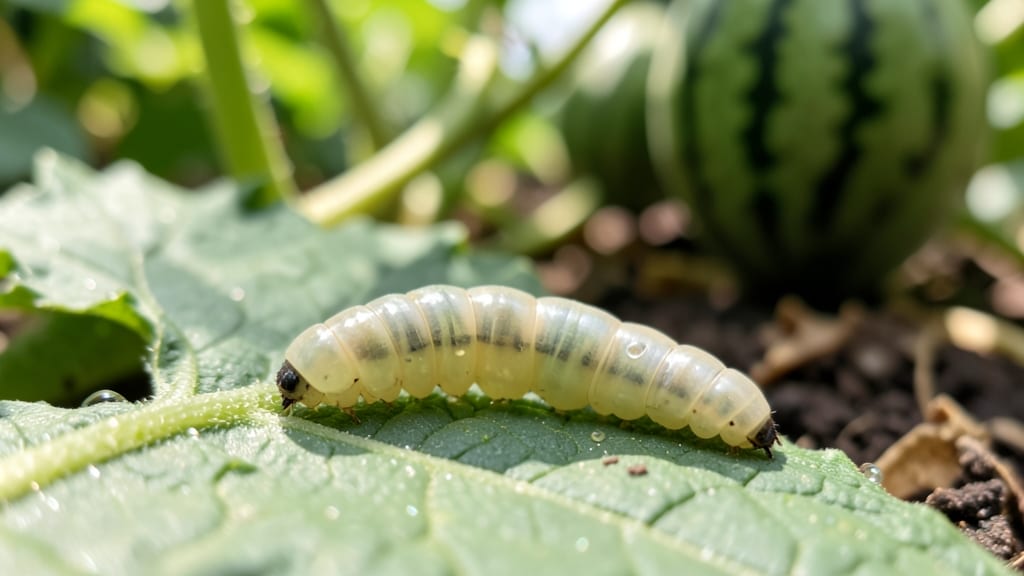
Those sneaky watermelon seed worms might be the reason your seeds are riddled with tiny holes—here’s how to stop them.
Those are seed worms—and they’re silently sabotaging your harvest before you even get to taste the fruit. 🌱 I’ve battled these pests in my own garden, and the good news is you can stop them without chemicals that harm your melons.
The damage starts small but grows fast—tiny white larvae chew through seeds, leaving behind telltale holes and a trail of frustration. These pests thrive in warm, humid conditions, which means they’re especially sneaky in summer gardens. The key to stopping them is acting early, before they multiply.
You’ll learn how to spot them before they ruin your crop, plus foolproof natural methods like beneficial nematodes and row covers that keep your melons safe. No more wasted vines or bitter disappointments when harvest time rolls around.
Works for home gardeners in any climate, from backyard patches to container grows. Let’s save your watermelons—naturally.
The Hidden Invaders Behind Damaged Seeds
Watermelon seed worms—tiny but destructive—can turn your prized harvest into a chewed-up disappointment. Understanding why these pests target your plants is the first step to stopping them. Below, we break down the key factors that make your melons a buffet for these larvae.
Seed worms (often Diaphania nitidalis or Diaphania hyalinata) are drawn to watermelons that are soft, overripe, or excessively moist. Here’s why:
- Sugar & Moisture Magnet: Ripe fruit has higher sugar content, making it irresistible to adult moths. They lay eggs in cracks or soft spots, where larvae later burrow in.
- Weakened Vines: Overwatering stresses plants, slowing sugar production and weakening cell walls. This makes fruit easier for larvae to penetrate.
- Delayed Harvesting: Leaving melons on the vine past peak ripeness increases vulnerability. A firm, green watermelon is far less appealing to pests.
Actionable Fix: Harvest melons at the ideal stage (when the tendril near the stem turns brown and the fruit sounds hollow when tapped). Avoid overwatering—aim for consistent moisture, not soggy soil.
Seed worms start as eggs laid by small, white moths. Their behavior is the root cause of infestations:
- Nocturnal Visitors: Moths are most active at dusk and dawn, when they seek out ripe fruit to lay eggs. A single female can deposit hundreds of eggs in crevices or under fruit rinds.
- Attraction to Fermentation: Slightly fermenting or bruised fruit emits odors that mimic overripe bait, triggering egg-laying.
- Wind & Movement: Moths are drawn to shaking plants (e.g., from wind or harvesting), which releases scents and makes it easier for them to locate fruit.
Actionable Fix:
- 🌙 Monitor at Dusk: Use a flashlight to spot moths near plants. Shake vines gently to dislodge them.
- 🧹 Remove Debris: Clear fallen fruit, weeds, and plant residue where moths hide.
- 🌿 Disrupt Mating: Plant basil or marigolds nearby—moths avoid these scents.
Neglecting garden cleanliness creates a perfect breeding ground for seed worms. Here’s how:
- Leftover Hosts: Old watermelon vines, rotting fruit, or even compost piles harbor overwintering larvae or pupae. Moths emerge the next season ready to attack.
- Monoculture Risks: Planting watermelons (or other cucurbits like cucumbers) in the same spot yearly exhausts soil defenses and concentrates pest populations.
- Weed Havens: Weeds like pigweed or morning glory act as alternative hosts, allowing moths to thrive even if your melons are pest-free.
Actionable Fix:
Step
Action
🔥 Fall Cleanup
Remove all plant debris, till soil, and solarize beds (cover with plastic for 4–6 weeks to kill larvae).
🌱 Rotate Crops
Avoid planting cucurbits in the same area for 3+ years. Use nitrogen-fixing plants (e.g., beans) in between.
🌿 Weed Barrier
Mulch beds with straw to block weeds and reduce moth habitat.
Seed worms thrive in warm, humid conditions, which explain seasonal outbreaks:
- Peak Activity: Larvae develop fastest in temperatures between 75–90°F (24–32°C). Southern states see worse infestations due to longer growing seasons.
- Rainy Seasons: High humidity keeps eggs and larvae moist, speeding up their lifecycle. Drought-stressed fruit, however, can also attract moths seeking water-rich targets.
- Early Planting: Starting melons too early (before soil warms) can lead to stunted growth, making fruit more susceptible to pests.
Actionable Fix:
- 🌡️ Time Planting: Wait until soil reaches 70°F (21°C) before sowing seeds. Use row covers early in the season to deter moths.
- 💧 Balance Watering: Water deeply but early in the day to reduce humidity around fruit.
- 🌿 Shade Cloth: In hot climates, use 30–50% shade cloth to lower fruit temperature and deter moths.
Practical ways to prevent and treat seed damage
Discovering those pesky seed worms in your watermelons can be frustrating, but the good news is that you can tackle the problem naturally without sacrificing your harvest. The key is to act quickly and use methods that protect both your plants and the fruit.
Below are targeted solutions based on the most common causes of infestation—along with proactive tips to keep your melons worm-free.
If you spot Diabrotica larvae or other seed worms inside your watermelons, don’t compost them—they’ll just spread. Instead:
- 🔪 Cut open the affected fruit and remove all visible larvae or eggs.
- 🗑️ Seal them in a plastic bag and dispose of them in the trash (not the compost pile).
- 🌱 Inspect nearby plants for signs of tunneling or wilting—early removal prevents further spread.
Pro Tip: 💡 Check the stem end of watermelons first—this is where larvae often enter. If you see tiny holes or frass (insect droppings), act fast!
Seed worms thrive in warm, moist soil. Break their cycle with these organic soil fixes:
🌱 Beneficial Nematodes (Stealthy Predators)
Microscopic Steinernema or Heterorhabditis nematodes hunt and kill larvae in the soil.
- 📦 Apply at dusk (they’re sensitive to sunlight) using a hose-end sprayer.
- 💧 Water lightly after application to help them move into the soil.
- 🔄 Reapply every 4–6 weeks during peak worm season (late spring to early summer).
🥘 Neem Oil Spray (Double-Duty Defense)
Neem oil disrupts worm life cycles and deters adult beetles from laying eggs.
- 🍃 Mix 2 tbsp neem oil + 1 tsp mild soap + 1 quart water in a spray bottle.
- 🌿 Spray soil and plant leaves every 7–10 days, especially after rain.
- ⚠️ Avoid spraying in direct sunlight—it can burn foliage.
🌡️ Solarization (Heat Them Out)
For severe infestations, solarization uses the sun’s heat to sterilize soil.
- 📅 Do this in late spring or early summer when temps are consistently above 85°F (29°C).
- 🛡️ Cover bare soil with clear plastic for 4–6 weeks, securing edges with soil or bricks.
- ☀️ Check weekly—remove plastic if rain pools underneath.
Prevent future infestations by disrupting worm habitats:
🌿 Crop Rotation (Break the Cycle)
Seed worms target cucurbits (watermelons, cucumbers, squash). Rotate with:
- 🥕 Alliums (onions, garlic, leeks)—their scent repels pests.
- 🌱 Legumes (beans, peas)—they improve soil health without attracting worms.
- 🍅 Avoid planting melons in the same spot for at least 3 years.
🎯 Trap Cropping (Sacrificial Plants)
Plant a border of radishes or turnips around your watermelon patch. Seed worms prefer these fast-growing crops, giving your melons a head start.
- 🌱 Sow trap crops 2–3 weeks before watermelons.
- 🔪 Remove and destroy infested trap plants before worms migrate.
Keep adult beetles (the worms’ parents) from laying eggs in the first place:
- 🧵 Floating row covers (lightweight fabric) over young plants until flowers appear.
- 🪟 Copper tape around plant stems—some pests avoid it.
- 🌿 Straw mulch (not wood chips) to deter beetles from burrowing.
Pro Tip: ✨ Crush egg clusters (tiny orange ovals on leaves) with your fingers—this stops larvae before they hatch!
Seed worms have a 30-day life cycle. Stay ahead with:
- 🕵️ Weekly soil checks—dig near roots to spot larvae.
- 📅 Set up yellow sticky traps to catch adult beetles in early summer.
- 🌱 Plant watermelons after soil temps hit 70°F (21°C)—warmer soil speeds up beneficial nematode activity.
With these strategies, you can protect your watermelons while keeping your garden chemical-free. The key? Combine prevention (crop rotation, barriers) with treatment (nematodes, neem oil) for long-term success. Happy growing!
Frequently asked questions
What do watermelon seed worms look like?
Seed worms start as tiny, white larvae about 1/8-inch long with a slight brown head. As they mature, they grow to 1/2-inch and turn creamy white with a darker head. Adults are small, white moths with 1-inch wingspans that flutter near plants at dusk. Look for their telltale tiny holes in seeds or frass (insect droppings) inside fruit.
Can I still eat watermelons with seed worms?
Yes, but only if the damage is minimal. Cut out any visibly infested sections with 1-inch margins around holes to remove larvae. Discard heavily damaged fruit to prevent spreading eggs. Always wash melons thoroughly before cutting, even if they appear unaffected.
How do I know if my watermelons are infested before cutting them?
Check for these signs: tiny holes at the stem end, dark frass (insect droppings) inside seeds, or wilting vines near affected fruit. Tap melons—hollow sounds may indicate internal damage. Use a flashlight to inspect the stem area where larvae often enter first.
Will neem oil really work against seed worms?
Neem oil is effective but must be applied consistently. It disrupts larvae development and deters adult moths. Mix 2 tbsp neem oil + 1 tsp mild soap + 1 quart water and spray every 7-10 days, especially after rain. For best results, combine with beneficial nematodes during peak worm season.
Can I use row covers to prevent seed worms?
Lightweight floating row covers (made of breathable fabric) work wonders. Install them at planting and keep them on until flowers appear—this blocks adult moths from laying eggs. Secure edges tightly to prevent moths from sneaking underneath. Remove covers during pollination if using hand-pollination.