Vegetables
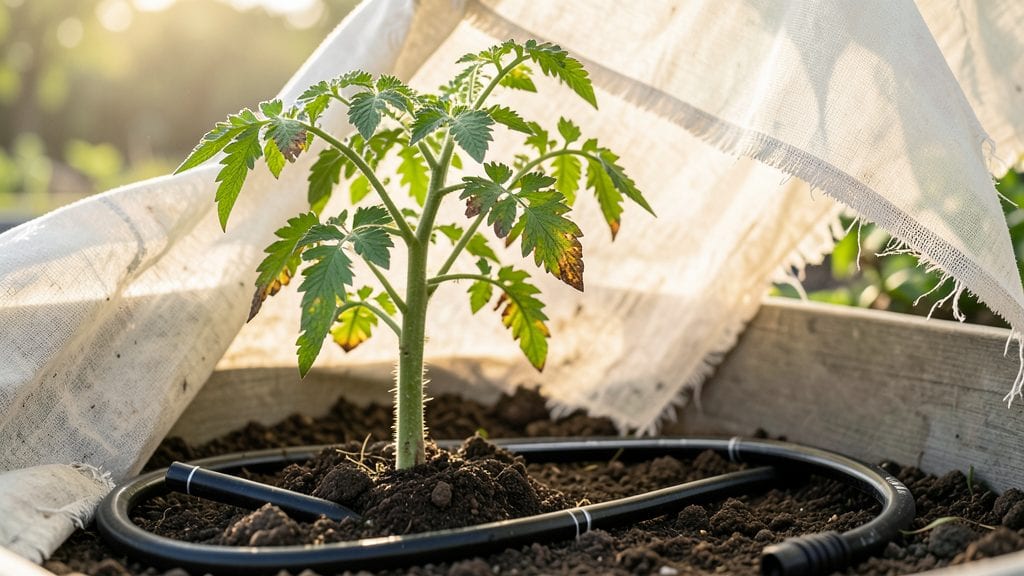
Is your tomato seedling sunburn causing those telltale white, crispy patches? That’s seedling sunburn—and I’ve saved dozens of plants from this exact problem using the same simple fix every time.
The first time it happened to me, I thought I’d lost my entire batch until I realized it was just too much sun too fast. Now I know exactly how to prevent it and nurse them back to health.
This problem starts when young seedlings get blasted with direct sunlight without proper acclimation. Their tender leaves can’t handle the intensity, so they bleach out like paper left in the sun. The good news? It’s easy to fix with a little shade, patience, and the right watering routine.
I’ll show you how to spot the damage early and turn those scorched leaves into strong, vibrant growth in just a few days.
By the end of this, you’ll have seedlings that look dark green and sturdy, not bleached and wilted. The key is gradual hardening off—taking them outside bit by bit—so they toughen up without shock.
Plus, I’ll share my go-to trick for recovery that works even on severely damaged plants. No more losing your seedlings to the sun!
Works for indoor starts, greenhouse seedlings, or those you’ve bought from nurseries. Whether you’re prepping for spring or dealing with an unexpected heatwave, this method keeps your tomatoes on track. Let’s get those seedlings back in fighting shape.
Root Causes Of Scorched Seedlings
When your tomato seedlings develop crispy, white, or brown patches on their leaves, it’s a clear sign of sunburn—but why does this happen in the first place? The issue stems from a mix of environmental stress, improper care, and sometimes even the seedlings' own biology.
Let’s break down the key reasons behind this common problem, so you can protect your future harvest.
Tomato seedlings are delicate, and their leaves aren’t yet equipped with the protective pigments (like carotenoids) that mature plants use to shield against UV radiation.
When exposed to direct, high-intensity sunlight—especially in hot climates or during peak afternoon hours (10 AM–4 PM)—the leaves absorb too much energy, leading to:
- Photoxidative damage: Excess light triggers a chain reaction where chlorophyll breaks down, producing harmful reactive oxygen species (ROS) that burn plant cells.
- Water loss acceleration: Sunlight increases transpiration rates, causing seedlings to lose moisture faster than their roots can absorb it. This dehydration stress makes leaves more vulnerable to sunburn.
- Temperature spikes: Soil and air temps above 85°F (29°C) can cause protein denaturation in seedlings, weakening their cellular structure and making them prone to scorching.
Actionable fix: Use shade cloth (30–50% coverage) or move seedlings to a partial shade spot during the hottest part of the day. Harden them gradually to full sun over 7–10 days.
Seedlings started indoors under grow lights or in cool greenhouses often lack the adaptive mechanisms to handle outdoor elements. When transplanted too soon or without a gradual hardening-off process, they’re shocked by:
- Sudden UV exposure: Indoor-grown seedlings may have 10–20% less protective anthocyanin pigments (the compounds that give leaves a reddish tint) compared to outdoor-hardened ones.
- Wind and temperature fluctuations: Outdoor conditions can swing from cool nights to scorching days, causing stress that compounds sunburn risk.
- Soil temperature mismatch: Cool indoor soil (ideal for germination) can lead to weak root systems that struggle to hydrate seedlings fast enough in hot outdoor conditions.
Actionable fix: Harden off seedlings by exposing them to outdoor conditions for 1–2 hours daily, increasing duration over 5–7 days. Avoid transplanting on windy or extremely hot days.
Water isn’t just about hydration—it’s a cooling mechanism for plants. When seedlings don’t get enough water, their leaves become:
- Thinner and more translucent: Reduced turgor pressure (cell stiffness) makes leaves less reflective, so they absorb more sunlight instead of bouncing it away.
- Prone to wilting: Wilting leaves curl and expose their undersides to direct sun, which are often more sensitive to UV rays.
- Nutrient-deficient: Dry soil limits nutrient uptake, weakening the seedlings’ ability to produce protective compounds like glutathione (an antioxidant that repairs sun damage).
Actionable fix: Water seedlings deeply at the soil level (not overhead) in the early morning to allow foliage to dry before peak sun. Use mulch to retain moisture and cool roots.
Seedlings with underdeveloped, sparse, or damaged leaves are more susceptible to sunburn because:
- Less surface area for light absorption: Fewer leaves mean each leaf must work harder, increasing the risk of overheating.
- Broken or chewed leaves: Insect damage or rough handling exposes vascular tissues, which are highly sensitive to light and prone to scorching.
- Etoliation (weak, leggy growth): Seedlings stretched toward light (often from insufficient grow lights) have thin stems and large, delicate leaves that burn easily.
Actionable fix: Prune leggy seedlings to encourage bushier growth and protect damaged leaves with a lightweight row cover until they recover. Avoid overhead watering that can weaken stems.
Understanding these triggers is the first step to prevention. Next, we’ll cover how to recognize sunburn symptoms and proactive steps to shield your seedlings before damage occurs.
Quick Fixes for Sun-Scorched Seedlings
Sunburned tomato seedlings can look like they’ve been through a war zone—crispy edges, bleached leaves, and a sad, wilted appearance. But don’t panic! With the right care, you can nurse them back to health and even prevent future damage.
Below, we’ll break down the most common causes of sunburn in seedlings and the practical, step-by-step fixes to save your plants.
If your seedlings are getting direct, harsh midday sun (especially in hot climates or during summer), their delicate leaves can fry in minutes. Here’s how to protect them:
🌿 Immediate Fix: Provide Instant Shade
- Move them to a shadier spot under a dappled shade cloth (30-50% shade) or a lightweight row cover.
Even a white sheet or cardboard propped up can work in a pinch. - Use a makeshift greenhouse by covering a wire frame with plastic or a clear lid (like a pop-up tent) to diffuse sunlight while keeping humidity up. - Water deeply before moving them to reduce stress. Pro tip: 💡 Wet leaves reflect more sunlight, giving them a temporary reprieve.
🌱 Long-Term Fix: Gradual Sun Acclimation
Tomato seedlings need sunlight, but they can’t handle it all at once! Follow this hardening-off schedule:
- Start with 2-3 hours of morning sun (coolest part of the day).
- Increase exposure by 1-2 hours daily over 7-10 days.
- By day 5-7, they should tolerate 4-6 hours of sun (avoid peak 10 AM–2 PM).
- Full sun (6+ hours) should only happen after 2 weeks of hardening.
Pro tip: 🌡️ If temps exceed 85°F (29°C), extend the shade period—even hardened plants can sunburn.
If your seedlings are wilting or turning white in extreme heat (above 90°F/32°C), they’re suffering from heat prostration, not just sunburn. Act now:
💦 Emergency Cooling Tricks
- Mist them with water early in the morning or late evening to lower leaf temperature.
Use a fine spray (not a heavy soak) to avoid fungal issues. - Place a tray of ice water near the seedlings—evaporative cooling helps! - Move pots to a cooler spot (basement, garage, or under a porch) for a few hours if outdoor temps are brutal.
🌱 Prevent Future Heat Damage
- Choose heat-tolerant varieties like ‘Solar Fire,’ ‘Heatmaster,’ or ‘Celebrity’—they handle sun better.
- Use black or dark-colored pots (they absorb heat and warm roots, but only if your climate is cool at night).
- Avoid plastic grow bags in extreme heat—they trap heat.
Opt for fabric pots or clay pots (they breathe better). - Mulch the soil with straw or grass clippings to keep roots cool.
Sunburn often happens when soil is too dry, causing leaves to wilt and become more vulnerable to UV damage.
🔥 Fix Dehydrated Seedlings
- Water deeply until it drains from the bottom of the pot (or until the top 1-2 inches of soil are moist).
- Use room-temperature water—cold water can shock roots.
- Water in the morning so leaves dry by evening (prevents fungal issues).
💧 Smart Watering Habits
- Check soil moisture daily—stick your finger in the soil.
If it’s dry 1 inch down, water immediately. - Use drip irrigation or soaker hoses to deliver water to the roots, not the leaves. - Group pots together to create a microclimate with higher humidity. - Add a layer of mulch (straw, wood chips) to retain moisture.
If your seedlings are yellowing between veins (a sign of magnesium deficiency) or crispy with brown edges (potassium deficiency), they’re weak and more prone to sunburn.
🍽️ Fix Nutrient Issues
- Fertilize lightly with a balanced, water-soluble fertilizer (like 10-10-10) at half strength.
- Use compost tea or fish emulsion for a gentle nutrient boost.
- Avoid high-nitrogen fertilizers (like blood meal) until seedlings have 2-3 true leaves—too much can scorch tender leaves.
🌱 Prevent Deficiencies
- Start with high-quality seedling mix (not garden soil—it’s too dense).
- Rotate fertilizers every 2-3 weeks (e.g., fish emulsion one week, compost tea the next).
- Test soil pH—tomatoes thrive in 6.0-6.8. Adjust with lime (to raise) or sulfur (to lower) if needed.
If your seedlings are already severely sunburned, you may need to trim damaged leaves to help them focus on recovery.
✂️ How to Prune Safely
- Snip off only the worst affected leaves (those with white, crispy, or brown patches).
- Use clean scissors or pruning shears to avoid disease.
- Don’t remove more than 20-30% of the foliage at once—this stresses the plant further.
- After pruning, fertilize lightly with a seaweed extract to boost recovery.
🌱 Encourage New Growth
- Move the plant to a shadier spot for 3-5 days to recover.
- Increase humidity by placing a tray of water nearby or using a humidity dome.
- Avoid fertilizing until new growth appears (usually 5-7 days).
Pro tip: ✨ Monitor weather forecasts! If a heatwave is coming, prep early—move seedlings to shade, increase watering, and avoid fertilizing until temps drop.
Frequently asked questions about sun-stressed tomato seedlings
Why do my tomato seedlings get white patches in full sun?
Those white patches are a classic sign of sunburn—your seedlings' tender leaves lack protective pigments to handle intense UV rays. When exposed to direct midday sun (especially above 85°F/29°C), chlorophyll breaks down, creating those bleached spots. The damage is permanent on affected areas, but new growth can recover if you provide shade immediately.
Can sunburned seedlings recover, or should I just start over?
Don't toss them! With proper care, seedlings can bounce back. Move them to partial shade, prune severely damaged leaves (but keep 70% of foliage), and water deeply at the soil level. Most recover within 5-7 days if the roots are healthy. Only replace if the entire plant is crispy or wilting despite your efforts.
How long does it take to harden off seedlings for sun?
Follow a 7-10 day gradual process—start with just 1-2 hours of morning sun, then increase by 1 hour daily. By day 5, they should handle 4-6 hours of sunlight. Never rush this—sudden exposure can cause permanent damage. Check weather forecasts and avoid hardening during heatwaves.
Will shade cloth work for tomato seedlings?
Use 30-50% shade cloth to filter harsh rays while allowing beneficial light. For extreme heat, opt for 50% coverage during peak sun hours (10 AM–4 PM). Remove it gradually as seedlings acclimate—full sun tolerance develops over 2 weeks of proper hardening.
Can I use household items to protect seedlings from sun?
Yes! In a pinch, try these: A white sheet draped over a frame, a cardboard box with ventilation holes, or even a lightweight row cover. Avoid plastic directly on leaves (traps heat)—always allow airflow. For long-term use, invest in shade cloth or a pop-up greenhouse for better control.