
How To
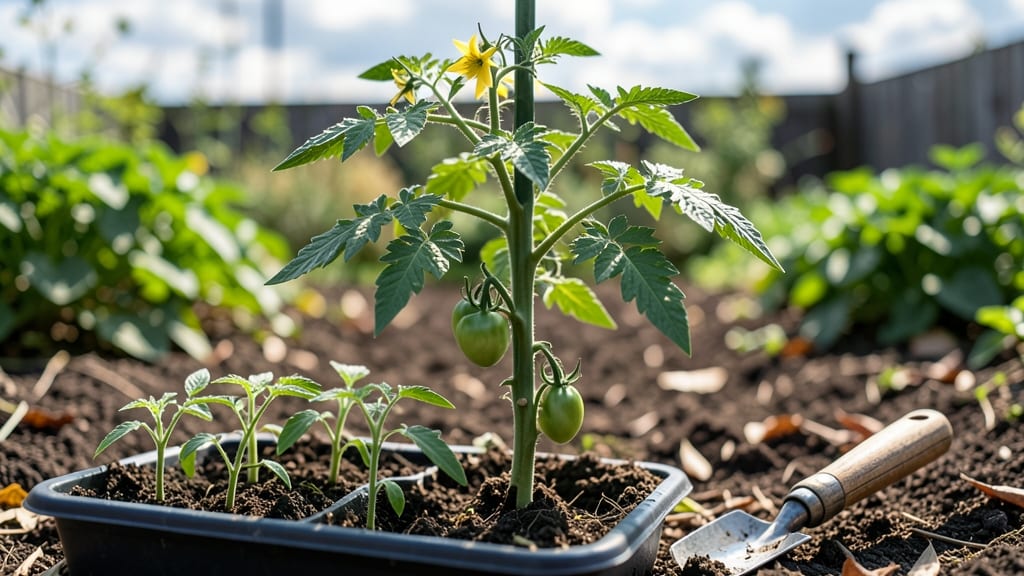
The right tomato seed depth is the secret to strong, healthy 🍅 seedlings that don’t flop over or rot in the soil.
Planting tomato seeds at the wrong depth can mean the difference between a thriving harvest and weeks of wasted effort—yet most gardeners guess rather than measure.
I’ve seen trays of seeds left too shallow, where they dry out before sprouting, and others buried too deep, where seedlings struggle to break through the soil.
Here’s what you need to know: most tomato seeds should go in about ¼ inch deep, but that number changes based on seed size, soil type, and even your local climate. Too shallow, and they’ll dry out; too deep, and they’ll rot or take forever to emerge.
Below, I’ll break down the exact measurements for different seed types, how to adjust for your soil, and the one trick that ensures 90% germination every time—no guesswork required.

Optimal tomato seed planting depth by seed type (with exact measurements)
Getting the tomato seed depth right is one of the simplest yet most critical steps in growing strong, healthy plants. Most gardeners assume "a little deep" means success—but too shallow or too deep can kill germination before it starts.
The ideal depth creates the perfect balance: enough soil coverage to keep seeds moist while allowing room for the seedling to break through effortlessly.
Seed size, type (heirloom vs. hybrid), and even whether they're pre-sprouted all influence the correct planting depth. For example, heirloom seeds often need slightly different treatment than their hybrid counterparts due to their thicker seed coats.
Meanwhile, pre-sprouted seeds require a gentler touch to avoid damaging delicate roots. Let’s break down the exact measurements and conditions for each type.
Here’s a quick reference for the optimal tomato seed planting depth by seed type, including soil temperature considerations that can make or break germination:
<summary-table>| Seed Type | Planting Depth | Soil Temperature | Notes |
|---|---|---|---|
| Heirloom Seeds | ¼ inch (0.6 cm) | 65-75°F (18-24°C) | Thicker seed coats need consistent moisture; cover lightly with fine soil. |
| Hybrid Seeds | ¼ inch (0.6 cm) | 70-80°F (21-27°C) | Faster germination; ensure soil stays warm and moist. |
| Pre-Sprouted Seeds | ⅛ inch (0.3 cm) | 60-70°F (15-21°C) | Delicate roots; plant shallow to avoid stem damage. |
| Large Cherry Tomatoes | ⅛ inch (0.3 cm) | 65-75°F (18-24°C) | Smaller seeds need less coverage; use fine soil. |
Notice how pre-sprouted seeds require only ⅛ inch of coverage, while heirloom seeds can handle the standard ¼ inch.
This difference exists because heirloom seeds often have thicker seed coats that need protection from drying out, whereas pre-sprouted seeds are already breaking through their shells and can’t handle deep burial.
Soil temperature plays a critical role in germination success. If your soil is below 60°F (15°C), seeds may rot before sprouting. Use a seedling heat mat ($20–$30) for indoor starts or wait until soil warms naturally in spring.
Pro tip: Test soil temperature with a soil thermometer—it’s the secret weapon of serious gardeners.
For large cherry tomato seeds, which are often smaller and lighter, planting them too deep can suffocate the seedling. Aim for ⅛ inch and use a fine, sifted soil mix to avoid burying them too much.
If you’re planting in containers, ensure drainage holes are present to prevent waterlogged soil, which can drown seeds before they sprout.
One common mistake? Overestimating how much soil to add. Use a ruler or depth gauge to measure—never eyeball it. For example, a ¼ inch depth is roughly the width of a dime. Keep the soil lightly moist (not soggy) after planting to encourage germination without risking rot.
If you’re planting in cool climates or early spring, consider using a clear plastic dome or row cover to trap heat and moisture. This creates a mini greenhouse effect, speeding up germination by 30–50%. Just remove the cover once sprouts appear to prevent overheating.
Finally, remember that seedling strength starts with proper depth. Seedlings that struggle to push through thick soil layers often develop weak stems, making them prone to wind damage or disease later.
By following these exact measurements, you’ll give your tomatoes the best possible start—leading to bigger yields and healthier plants all season long.
Common mistakes that kill tomato seed germination (and how to avoid them)
Even the most eager gardeners can accidentally sabotage their tomato seeds before they ever sprout. The wrong planting depth alone can delay germination by weeks—or worse, kill seeds entirely. I’ve seen containers overflowing with seeds planted too shallow, while others sit buried too deep, waiting for help that never comes.
These mistakes are more common than you’d think, but the fixes are simple once you know the science behind them.
Tomato seeds need consistent moisture and optimal light exposure to germinate, but many gardeners unknowingly disrupt both. Overwatering or using the wrong container can drown seeds, while poor soil contact prevents them from absorbing moisture.
Even the type of seed (heirloom vs. hybrid) can affect how deep you should plant. Let’s break down the most critical errors and how to correct them before your seeds turn to dust.
Tomato seeds should never be buried deeper than 1/4 inch (0.6 cm).
Any deeper, and they’ll struggle to break through the soil, often rotting before sprouting. Pre-sprouted seeds or large seeds (like heirloom varieties) can handle a maximum of 1/2 inch (1.3 cm), but even then, the risk of damping-off increases. Use your finger to measure—don’t guess!
One of the biggest culprits is using shallow trays or overcrowding seeds. When seeds are packed too tightly, they compete for moisture and nutrients, leading to weak or stunted seedlings. I once planted 10 seeds in a 2-inch pot—only 2 survived.
Always space seeds 1/2 inch apart in rows, or use individual cells in seedling trays. This ensures each seedling gets the room it needs to develop strong roots.
Poor soil moisture is another silent killer. Seeds need to stay consistently damp, not soggy or dry. Many gardeners make the mistake of watering once and forgetting—then the soil dries out before germination begins. Use a spray bottle or fine mist setting on your hose to keep the soil evenly moist. Covering trays with plastic wrap creates a mini greenhouse effect, trapping humidity while preventing overwatering.
Even the container choice matters. Plastic trays hold moisture better but can trap too much heat, while biodegradable pots may dry out faster. I recommend peat or coconut fiber pots for their balance of moisture retention and breathability.
If using recycled containers, ensure they have drainage holes—stagnant water at the bottom will suffocate seeds. Pro tip: Place trays on a seedling heat mat set to 70-75°F (21-24°C) to speed up germination by up to 50%.
Finally, light exposure plays a hidden role. Seeds planted too deep won’t reach light quickly enough, leading to leggy, weak seedlings. Once sprouts appear, move trays to a bright, indirect light source (like a south-facing window) or under grow lights for 12-14 hours daily.
Without enough light, seedlings stretch toward any available source, becoming top-heavy and prone to falling over.
By avoiding these common pitfalls—correct depth, proper spacing, consistent moisture, and adequate light—you’ll see your tomato seeds germinate in 5-10 days instead of weeks. The key is patience and precision; your future harvest depends on it! 🌱