Pruning
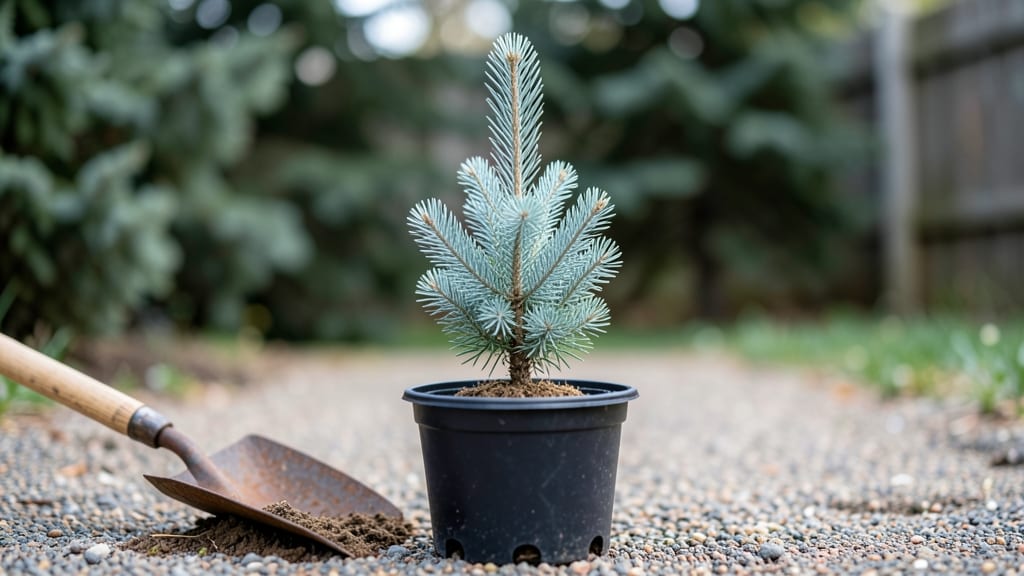
Growing a spruce tree seedling from a cone is simpler than you think—no nursery needed. ✨ I cracked the code after struggling with limp, yellowing seedlings that never took root, and now my backyard has a thriving 3-foot sapling from a single pinecone.
The secret lies in mimicking the conditions where spruce seeds naturally sprout: cool, moist soil and patience.
You’ll need just three things: a shallow tray or pot, a mix of peat moss and perlite for drainage, and a spray bottle for gentle watering. Skip the heavy garden soil—spruce seedlings hate soggy roots.
Plant the seeds about a quarter-inch deep in early spring or fall when temperatures hover around 50°F, and keep them in partial shade until they’re a few inches tall.
By summer, you’ll see tiny needles emerge, and with consistent moisture (not drowning), your seedling will grow 6-12 inches in its first year. The best part? These saplings handle transplant shock better than store-bought trees because they’re raised just like their wild cousins.
Works for both ground planting and containers—just ensure the pot has drainage holes. Here’s how to avoid the pitfalls that kill most beginner spruce seedlings.
📚 In This Guide
- What you need
- Instructions
- Tips and common mistakes
- Wrapping up and next steps
What you need
- ● Fresh spruce cones: 3–5 healthy, closed cones (harvested in late fall/winter for best viability).
- ● Potting mix: 1–2 gallons of well-draining, acidic mix (pH 4.5–5.5). Tip: Use a blend of peat moss, perlite, and pine bark for ideal conditions.
- ● Small pots: 4–6-inch diameter containers (with drainage holes) for each seedling.
- ● Scissors or pruning shears: Sharp, clean tools to open cones and trim roots.
- ● Plastic wrap or humidity dome: To maintain moisture during germination.
- ● Watering can or spray bottle: For gentle hydration.
- ● Grow lights or sunny windowsill: 6–8 hours of indirect light daily.
- ○ Heat mat (optional): Keeps soil warm (70–80°F) to speed up germination.
- ● Fertilizer (balanced, low-nitrogen): Diluted 10-10-10 or organic options like fish emulsion.
- ● Twine or labels: To mark pots and track seedlings.
- ● Larger nursery pots (6–12 months later): For transplanting as saplings grow.
- ● Mulch (pine straw or bark): Protects roots in outdoor planting.
Step-by-step instructions for growing a spruce tree from seed
Here's the straightforward method I've used to grow healthy spruce seedlings—no complicated tools or guesswork.
🌱 Step 1: Extract and Prepare the Seeds
Start with fresh spruce cones—green ones are best. Place them in a warm, dry spot for 2-3 weeks to open naturally. Once the cones release seeds easily, remove the seeds by hand. Spruce seeds are tiny, so I use a small bowl to catch them while gently shaking the cones over it.
Spruce seeds have a waxy coating that slows germination. To speed things up, soak the seeds in lukewarm water for 24 hours before planting. This softens the coating and helps the seed absorb moisture. After soaking, drain the water and let the seeds sit on a paper towel for 12 hours to dry slightly—this prevents mold when you plant.
💧 Step 2: Plant the Seeds in a Moisture-Controlled Environment
Fill a small container with well-draining potting mix, keeping it loose so young roots can push through easily. Spruce seedlings need consistent moisture, but not soggy soil. Water the mix until it’s damp but not dripping, then press it down lightly to remove air pockets.
Spruce seeds are tiny, so I plant them ¼ inch deep in rows, spacing them ½ inch apart. Cover them lightly with a thin layer of soil, then mist the surface with water until evenly moist. Place the container in a cool, shaded spot—spruce seeds germinate best at 60-65°F. Keep the soil consistently moist by checking it daily; water when the top ½ inch feels dry.
☀️ Step 3: Provide Light and Gradually Acclimate Seedlings
Once seedlings emerge—usually in 4-8 weeks—move them to a location with bright, indirect light. Direct sunlight can scorch young spruce seedlings, so a north-facing window or a grow light set 6-8 inches above works best. You’ll know they’re getting enough light when the needles stay a vibrant green and grow upright.
After 4-6 weeks of growth, when seedlings have 2-3 sets of needles, it’s time to transplant them into individual pots. Use 3-inch pots with fresh potting mix, and plant each seedling 1 inch deep. Water gently after transplanting, and place them back in bright, indirect light. This is also when you can start introducing them to outdoor conditions for 1-2 hours daily to harden them off.
Real talk: Spruce seedlings grow slowly, so patience is key. Keep them in pots for at least 1-2 years before transplanting outdoors, and choose a location with partial shade and well-draining soil. They’ll reward you with steady, sturdy growth over time.
Tips & tricks for perfect spruce seedling growth
Here's what I've learned from years of growing spruce seedlings that'll help you avoid common pitfalls and get the best results.
Cone Selection: Don't grab any old cones—look for fresh, green spruce cones that are still closed. Mature, brown cones that have already opened naturally won't yield viable seeds. I collect cones in late summer or early fall when they're still on the tree but starting to dry out. The fresher the cones, the better your seed quality will be.
Soaking Strategy: The 24-hour soaking time is crucial for breaking down that waxy coating, but don't skip the 12-hour drying period afterward. This drying step prevents mold and gives the seeds a better chance to establish themselves in the soil. I use a paper towel to gently blot excess moisture before planting—just enough to keep them damp but not dripping.
Temperature Control: Maintaining that 60-65°F range for germination is easier than it sounds. If your home tends to be warmer, place the container in a cool basement or shaded garage. Too warm, and you risk mold; too cool, and germination slows. I've found that a cool, shaded windowsill works perfectly in most homes during spring planting season.
Light Transition: When moving seedlings to brighter light after 4-8 weeks, do it gradually. Sudden exposure to direct sunlight can cause scorching. I start by placing them near an east-facing window where they get morning light, then slowly move them to brighter spots over a week. For indoor grow lights, begin with 4-6 hours of light daily and increase by 1 hour each week until they're getting 12 hours.
Pro Tips for Spruce Tree Seedling
- Here's what I've learned from years of growing spruce seedlings that'll help you avoid common pitfalls and get the best results.
- Cone Selection: Don't grab any old cones—look for fresh, green spruce cones that are still closed.
- Soaking Strategy: The 24-hour soaking time is crucial for breaking down that waxy coating, but don't skip the 12-hour drying period afterward.
Frequently asked questions
Got questions about growing your spruce tree seedling? You’re not alone! Here are answers to the most common queries to help you nurture your tiny evergreen into a thriving sapling.
How long does it take for a spruce seedling to grow from a cone?
A spruce seedling grown from a cone typically takes 2–5 years to reach transplanting size (about 1–2 feet tall). Patience is key—spruces grow slowly, but with proper care, they’ll reward you with lush, fragrant foliage! For faster results, consider buying a 1–2-year-old nursery seedling instead.
When is the best time to plant a spruce tree seedling?
The ideal time is early spring (March–April) or early fall (September–October). This gives the seedling time to establish roots before extreme weather. Avoid planting in summer heat or winter frost—both can stress young roots. Pro tip: Water deeply after planting to settle the soil!
How much sunlight does a spruce seedling need?
Spruce seedlings thrive in full sun (6+ hours daily), but young saplings can tolerate partial shade (4–6 hours). Too much shade slows growth, while direct afternoon sun in hot climates may scorch tender needles. If planting in a shady spot, monitor for leggy growth and supplement with light if possible.
Why is my spruce seedling turning brown or dropping needles?
Brown needles or shedding usually signal overwatering, underwatering, or pests. Check soil moisture—it should stay evenly damp but not soggy. Look for spider mites or bagworms (common spruce pests) and treat with neem oil if needed. Stress from transplant shock can also cause needle loss; mulch around the base to retain moisture.
Can I grow a spruce tree from a seedling in a pot?
Yes! Start in a 4–6 inch pot with well-draining soil (mix potting soil with perlite). Keep it in a sunny spot and water when the top inch of soil is dry. Transplant outdoors after 1–2 years when roots fill the pot. Container tip: Use a pot with drainage holes to prevent root rot.
Wrapping up and next steps
Growing a spruce tree seedling from a cone is a rewarding journey that connects you to nature’s cycle—one tiny seed at a time! 🌱 With the right tools, patience, and care, you’ve learned how to nurture your seedling into a thriving sapling.
Whether you’re a gardening novice or a seasoned green thumb, every step forward is a win.
Ready to watch your little spruce grow? Plant your seedling in well-draining soil, give it sunlight, and monitor its progress. Soon, you’ll be admiring a lush, evergreen addition to your yard or landscape—proof that even the smallest efforts can yield big rewards! 🌿