
Pests
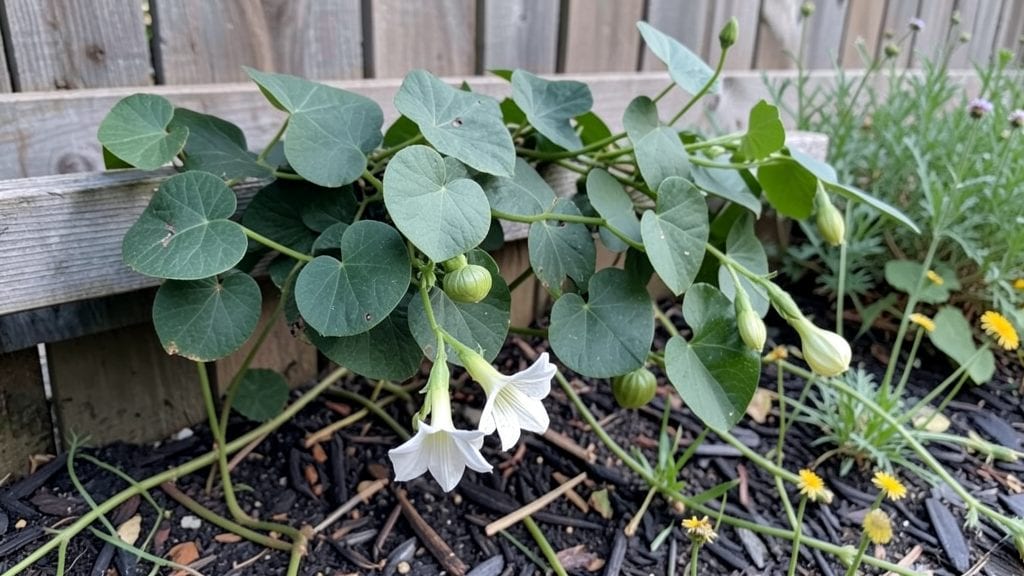
Growing snail vine from seed delivers those lush, sprawling vines in record time—sometimes sprouting within 5-7 days if you nail the moisture and warmth. 🌱 I’ve watched these fast-growing climbers transform bare walls into vibrant green curtains within a single season, and the secret starts with the right soil and a few simple tricks.
The key to success lies in mimicking their natural coastal habitat: well-draining soil mixed with sand or perlite, and a spot where they’ll get 6+ hours of sun daily.
Overwatering is the biggest rookie mistake—these vines hate soggy roots but love consistent moisture, so think of it like keeping a damp sponge, not a swamp. Young seedlings need protection from slugs and snails (ironic, right?) until they’re big enough to fend for themselves.
By mid-summer, you’ll have a thriving, bushy vine that can handle erosion, soften fences, or even climb trellises with ease. The best part? Snail vine spreads quickly but stays manageable with occasional trimming—no need for harsh chemicals or constant pruning.
The foliage stays glossy and vibrant all season long, making it a low-maintenance workhorse for any garden.
Perfect for coastal gardens, erosion-prone slopes, or even as a living privacy screen in urban spaces. Once established, these vines practically grow themselves—just watch them take over (in the best way possible) and enjoy the lush, tropical look without the fuss.
📚 In This Guide
- What you need
- Instructions
- Tips and common mistakes
- Wrapping up and next steps
What you need
- ● Snail vine seeds: 10–20 seeds (check for freshness—look for a hard, dark shell and avoid wrinkled or moldy ones).
- ● Growing containers: Seed trays (4–6 inch) or
- ● Small pots (3–4 inch diameter) with drainage holes.
- ● Potting mix: 2–3 gallons of well-draining seed-starting mix (avoid heavy garden soil).
- ● Spray bottle: For gentle watering (16 oz or larger).
- ○ Plastic wrap or humidity dome: To retain moisture (optional but helpful for germination).
- ○ Gloves (optional): To protect hands from soil or seeds.
- ● Fine-mesh sieve: For lightly covering seeds (if not using a dome).
- ● Grow lights or sunny windowsill: 6–8 hours of bright, indirect light daily.
- ○ Fertilizer (optional): Balanced liquid fertilizer (5-5-5 or 10-10-10) for post-germination care.
- ● Pest control (if needed): Neem oil spray or
- ● Insecticidal soap (for snails/slugs).
Step-by-step instructions for growing snail vine seeds
Here’s how to coax those fast-sprouting vines into lush, sprawling beauty in just weeks.
🌱 Step 1: Prep Seeds and Soil for Fast Germination
Snail vine seeds germinate quickly—often within 3-7 days—but they need the right conditions to kickstart growth. First, soak the seeds in lukewarm water for 12 hours to soften the outer coating. This trick speeds up germination by breaking dormancy. While they soak, fill your 4-inch pots with the moistened seed-starting mix (never garden soil—it’s too dense and can suffocate tender roots). Press the mix down lightly with your fingers until it’s firm but not compacted. You want it to hold moisture without turning to mud.
Here’s the thing—snail vine seeds are tiny, so I use a toothpick to place 1-2 seeds per pot at a depth of just ¼ inch. Planting too deep delays germination because the seedling has to push through extra soil. Cover them with a thin layer of additional mix—just enough to hide the seeds but no more. Mist the surface with a spray bottle until it’s evenly damp, not soggy. The goal is consistent moisture, not a swampy environment.
💧 Step 2: Create a Humid, Warm Germination Environment
Snail vine seeds thrive in warmth and humidity, so place the pots in a clear plastic bag or under a humidity dome to trap moisture. Aim for a soil temperature of 70-75°F—a seedling heat mat helps if your home runs cooler. Keep the bag sealed but check daily for condensation. If you see droplets forming on the inside, your humidity is perfect. If the soil feels dry to the touch, mist lightly again.
This is the moment that matters: do not disturb the pots until you see first true leaves (not the initial seed leaves). Poking or moving them now can dislodge the seeds. Place the setup in bright, indirect light—direct sun at this stage can overheat the soil and slow germination. You’ll know it’s working when sprouts appear in 3-7 days. Real talk: If germination takes longer than 10 days, the seeds may need a warmer spot or fresh soaking.
☀️ Step 3: Transition to Bright Light and Encourage Bushy Growth
Once seedlings emerge, remove the humidity dome immediately to prevent damping-off (a fungal disease that collapses stems overnight). Move them to a south-facing window or under grow lights for 14-16 hours of light daily. Snail vine seedlings grow fast but can get leggy if light is insufficient. You’ll spot leggy growth as thin, stretched stems with leaves spaced far apart. If this happens, lower the grow light to 2-3 inches above the plants—closer than you think!
After 4-6 weeks, when seedlings have 3-4 sets of true leaves, it’s time to pinch back the tips. This might sound counterintuitive, but pinching encourages bushier growth by stimulating side shoots. Use clean scissors to snip just above a leaf node (where leaves meet the stem). You’ll see new branches forming within 2 weeks—that’s your reward for the patience!
🪴 Step 4: Transplant and Train for Maximum Spread
When seedlings are 6 inches tall and show strong stems, transplant them into 1-gallon containers filled with the well-draining potting mix. Handle the roots gently—snail vine is sensitive to root disturbance. Bury the stem up to the first set of leaves to encourage additional root growth. Water deeply after transplanting to settle the soil and remove any empty pots from the mix.
Snail vine is a fast climber, so install a trellis or support structure immediately. Train the main vine along the trellis, tying it loosely with soft plant ties every 6 inches. As side shoots develop, weave them through the trellis too. This method creates a dense, bushy curtain in just 8-12 weeks. Here’s the pro tip: rotate the pots weekly so the vine grows evenly toward the light—no lopsided sprawl!
Tips & tricks for perfect snail vine growth
Fast germination is just the beginning—these game-changing tricks will help you transform those tiny seeds into a lush, sprawling vine in record time.
Soaking Secret: That 12-hour soak isn't just about softening the seed coating—it's about breaking dormancy. For even faster results, try a 24-hour soak (optional) in lukewarm water with a pinch of honey—the natural sugars give the seeds a quick energy boost. Confession: I skipped this step for years and wondered why my germination took longer than the promised 3-7 days. The difference is night and day!
Temperature Matters: Those 70-75°F soil temps are non-negotiable for speedy growth, but here's the pro move: place your seedling heat mat on a thermostat-controlled surface like a countertop rather than a cold windowsill. I learned this the hard way after ruining three batches from uneven heat distribution. For extra insurance, wrap your pots in a thin towel to help maintain that perfect temperature range—especially if your home runs cooler.
Light Transition Strategy: The jump from humidity dome to bright light in Step 3 is critical, but timing matters. Gradually increase light exposure over 3-4 days rather than moving them directly to full sun. I start with 2 hours of morning sun, then extend by 30 minutes daily. This prevents shock that can cause leggy growth or even stunted seedlings. Think of it like acclimating your plants to a new neighborhood—they need time to adjust!
Pinching Payoff: That 4-6 week mark for pinching is your golden opportunity to create a bushy curtain, but here's what nobody tells you—timing is everything. Pinch when you see 3-4 sets of true leaves, but don't wait until they're fully mature. The younger the leaves, the more vigorous the side shoots will be. I've seen plants triple their bushiness when pinched at the right moment versus those left too long. Use clean, sharp scissors and make the cut just above a leaf node—this is where the magic happens!
Pro Tips for Snail Vine Seeds
- Fast germination is just the beginning—these game-changing tricks will help you transform those tiny seeds into a lush, sprawling vine in record time.
- Soaking Secret: That 12-hour soak isn't just about softening the seed coating—it's about breaking dormancy.
- I learned this the hard way after ruining three batches from uneven heat distribution.
Frequently asked questions
Got questions about growing snail vine seeds? You’re not alone—this fast-growing climber can be tricky for beginners! Here are answers to the most common queries to help you cultivate lush, pest-resistant vines with ease.
How long does it take for snail vine seeds to germinate?
Snail vine seeds are fast—typically sprouting within 7–14 days when kept warm (70–75°F) and moist. Use a humidity dome or plastic wrap to speed things up. If they don’t sprout in 3 weeks, try soaking them overnight in warm water to break dormancy.
Why are my snail vine seedlings getting eaten by pests?
Young snail vines are a buffet for slugs, aphids, and spider mites. Prevent damage by:
- Spraying neem oil weekly (safe for plants!).
- Using diatomaceous earth around the base.
- Handpicking pests early (especially slugs at night!).
Can I grow snail vine from seeds indoors before transplanting?
Start seeds 6–8 weeks before your last frost in biodegradable pots with well-draining soil. Keep them under grow lights (12–14 hours/day) until they’re 2–3 inches tall. Harden off seedlings for 1 week before moving them outside to avoid shock.
What’s the best soil mix for snail vine seeds?
Use a light, airy mix like:
- 50% peat moss or coco coir
- 30% perlite or vermiculite
- 20% compost or worm castings
Are there any alternatives to snail vine seeds for fast-growing vines?
If snail vine isn’t your style, try these quick-growing climbers:
- Morning glory (germinates in 5–10 days, edible flowers!).
- Cucumbers (bush varieties) (ready in 50–60 days).
- Pole beans (fix nitrogen in soil, fast harvest!).
Wrapping up and next steps
Growing snail vine seeds is a rewarding way to add vibrant, fast-growing vines to your garden—perfect for pest control and lush greenery! 🌱 Their quick germination and hardy nature make them an ideal choice for both beginners and seasoned gardeners.
Whether you’re tackling aphids or simply enhancing your outdoor space, these seeds deliver big results with minimal effort.
Ready to get started? Grab your supplies, follow the steps, and watch your snail vine thrive! 🌿 For extra tips, explore companion plants or organic pest solutions to maximize your garden’s potential.