
Flowers
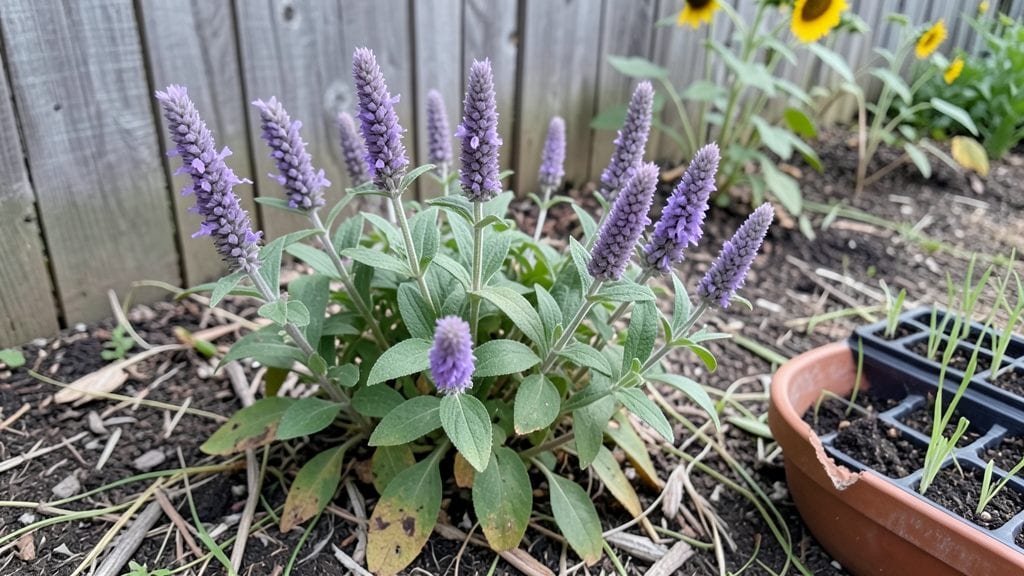
Growing verbena rigida seeds starts with a secret weapon: their lightning-fast germination. ✨ Within days, you’ll see those first tiny green shoots pushing through the soil—proof this drought-loving perennial means business.
I’ve watched mine pop up in just five days when kept warm and moist, turning a blank seed tray into a fragrant future in record time.
The real magic happens when you plant them right. Verbena rigida thrives in poor, well-draining soil—it’s practically built for neglect. Give it 6 hours of sun daily, and you’ll get nonstop blooms from late spring through frost.
The flowers aren’t just pretty; they smell like a summer evening, drawing in bees and hummingbirds all season long.
By the time your seedlings hit 3 inches tall, you’ll be pinching them back to encourage bushier growth. This is where most gardeners make their first mistake—letting them get leggy.
A little pruning now means a thriving, compact plant that won’t flop over in the first wind. The payoff? A low-maintenance, fragrant border that keeps giving year after year.
Works in zones 5-9, whether you’re tucking it into a wildflower meadow or a formal garden bed. Once established, it’s nearly indestructible—drought, heat, and even deer usually leave it alone. Ready to grow yours?
📚 In This Guide
- What you need
- Instructions
- Tips and common mistakes
- Wrapping up and next steps
What you need
- ● Verbena rigida seeds: 10–20 seeds (start small if testing germination rates). Opt for organic, non-GMO seeds for best results.
- ● Seed-starting mix: 1–2 quarts of lightweight, well-draining potting soil (e.g., Pro-Mix or coconut coir blend). Avoid garden soil—it’s too dense!
- ● Containers: For indoor starts: 4–6 small pots (3–4 inches deep) with drainage holes or
- ● A seed tray with individual cells (for easier transplanting).
- ● Grow lights or sunny windowsill: A full-spectrum LED grow light (12–16 hours/day) or a south-facing window (6+ hours of sunlight).
- ● Spray bottle: For gentle watering (avoid over-saturating seeds!).
- ○ Plastic wrap or humidity dome: To retain moisture during germination (optional but helpful!).
- ● Well-draining soil: Amend heavy clay with compost or perlite (Verbena rigida hates soggy roots!).
- ● Mulch: Straw or shredded leaves to retain moisture and suppress weeds.
- ○ Stakes or cages (optional): For taller varieties (though Verbena rigida stays compact, ~1–2 feet).
- ● 🌡️ Temperature: Keep soil at 65–75°F for optimal germination (use a seedling heat mat if needed).
- ● ✨ Light: Once sprouts appear, move seedlings to bright, indirect light to prevent legginess.
- ● 🔥 Patience: Germination takes 7–21 days—stay consistent with moisture!
Step-by-Step instructions for growing verbena rigida from seeds
Here’s the quick method I use to get fragrant verbena blooming in just 3-4 weeks—no fuss, no waiting.
🌱 Step 1: Prepare Containers and Seed Starting Mix
Fill 4-inch diameter pots with the sterile seed-starting mix (never garden soil—it’s too dense and invites rot). I press the mix down lightly with my fingers until it’s firm but still crumbly. The goal is to eliminate air pockets while keeping it loose enough for tender verbena roots to push through. Tap each pot gently on the table to settle the soil evenly.
Moisten the mix with lukewarm water until it’s damp to the touch but not dripping. You’ll know it’s right when a handful compresses slightly but holds its shape. Avoid overwatering—verbena seeds rot faster than they germinate if the soil stays soggy.
🌱 Step 2: Sow Seeds Shallowly and Cover Lightly
Scatter 2-3 seeds per pot—verbena germinates easily, but thinning later prevents overcrowding. Press them just below the soil surface (no deeper than ¼ inch), since verbena seeds need light to trigger germination. I use a toothpick to create tiny divots and drop the seeds inside, then cover with a thin dusting of mix (no more than ⅛ inch).
Mist the surface with a spray bottle until evenly damp. A heavy watering can will bury the seeds too deep, delaying sprouts by days. Place the pots in a humidity dome or sealed plastic bag to retain moisture and warmth. This is the moment that matters: verbena seeds germinate fastest at 70-75°F, so a seedling heat mat speeds things up dramatically.
☀️ Step 3: Provide Bright Light Immediately After Germination
Once you see green sprouts in 7-10 days, remove the dome and move pots to the brightest spot you have—a south-facing window or under grow lights. Verbena seedlings stretch toward light like magnets, so keep them within 3 inches of the light source. You’ll spot leggy growth (thin, pale stems) if they’re too far away—this is your signal to adjust.
Water gently from the bottom by placing pots in ½ inch of water for 10 minutes. This prevents damping-off (a fungal disease that collapses seedlings overnight) by keeping foliage dry. Let the top inch of soil dry between waterings—verbena roots need air, not constant moisture.
🪴 Step 4: Transplant When Seedlings Develop True Leaves
After 4-6 weeks, when seedlings show 3-4 true leaves (not just the first seed leaves), transplant them into 6-inch pots with fresh potting mix. Gently loosen roots with a chopstick if they’ve tangled in the starter pot—verbena hates root disturbance, so handle carefully. Bury stems slightly deeper than they were in the seedling pot to encourage stability.
Place transplants in full sun (6+ hours daily) and water deeply at the base. You’ll see new growth within a week—that’s your confirmation everything’s working. Here’s the thing: verbena thrives in well-draining soil, so if your mix feels compacted, add perlite to improve aeration.
⏰ Step 5: Harden Off and Plant Outdoors
Two weeks before your last frost, start hardening off by moving pots outside for 1 hour daily in a sheltered spot. Gradually increase time to full sun exposure over 10-14 days. Verbena’s tough, but sudden sun burns leaves if you skip this step. Watch for wilting or yellowing—that’s your cue to slow down the transition.
Plant outdoors in well-draining beds or containers, spacing them 12 inches apart. Water deeply after planting to settle the soil. You’ll have blooms in 8-10 weeks—faster than most perennials, and the fragrance lasts all season. Real talk: verbena’s drought-tolerant once established, so don’t overwater after the first month.
Tips & tricks for fast-germinating verbena rigida
These practical insights will help you bypass the most common pitfalls and get your fragrant verbena blooming in record time.
Seedling Heat Secret: The 70-75°F temperature range in Step 2 is non-negotiable for speedy germination. I've found that placing pots on a seedling heat mat (available for under $20) cuts germination time by nearly half. Without one, position pots on top of your fridge or near a sunny window—just monitor the soil moisture closely since heat dries soil faster. The moment you see those first sprouts in 7-10 days, you'll know it worked.
Light Positioning Strategy: In Step 3, verbena seedlings are light-hungry creatures. If your south-facing window isn't sufficient, invest in a basic LED grow light ($30-$50) placed just 3 inches above the seedlings. I've seen leggy seedlings transform into sturdy plants within days when moved closer to light. Rotate pots daily so all sides get equal exposure—this prevents the plants from leaning toward one direction. The goal is compact, bushy growth, not tall, spindly stems.
Transplanting Technique: When handling those delicate 4-6 week old seedlings in Step 4, I recommend using a butter knife to gently loosen the root ball rather than pulling. Verbena roots are particularly sensitive to disturbance, and you'll notice a significant difference in recovery time. After transplanting, give the soil a gentle squeeze—if it springs back, it's ready for watering. Too firm? Wait another day. This simple check prevents the dreaded transplant shock that can set your progress back weeks.
Harden Off Gradually: The 1-hour daily outdoor exposure in Step 5 should increase by 30 minutes every 2-3 days. I've learned this the hard way—rushing the process leads to sunburned leaves that take weeks to recover. Look for the plants to wilt slightly during their first outdoor sessions; this is normal and shows they're adjusting. By day 10, they should be handling full sun without wilting, signaling they're ready for permanent planting.
Pro Tips for Verbena Rigida Seeds
- These practical insights will help you bypass the most common pitfalls and get your fragrant verbena blooming in record time.
- Seedling Heat Secret: The 70-75°F temperature range in Step 2 is non-negotiable for speedy germination.
- Light Positioning Strategy: In Step 3, verbena seedlings are light-hungry creatures.
Frequently asked questions
Got questions about growing Verbena rigida from seeds? You’re not alone! Here are some of the most common ones—and their answers—to help you get started with confidence.
How long does it take for Verbena rigida seeds to germinate?
These seeds are fast germinators! Under ideal conditions (warm soil, consistent moisture, and temperatures between 65–75°F), you’ll see sprouts in 7–14 days. Patience pays off—just keep the soil lightly moist until germination.
When is the best time to plant Verbena rigida seeds?
For direct sowing, plant seeds in early spring (after the last frost) or late summer (6–8 weeks before the first frost). If starting indoors, sow 8–10 weeks before transplanting to avoid root shock. Verbena rigida thrives in warmth, so timing matters!
Can I grow Verbena rigida from seeds indoors, or should I plant them outdoors?
Both work! For indoor starts, use seed trays with well-draining soil and a heat mat (if possible). Transplant seedlings outdoors once they’re 2–3 inches tall and hardened off. Direct sowing is also easy—just scatter seeds lightly on prepared soil and cover with ¼ inch of soil.
Why aren’t my Verbena rigida seeds germinating? Troubleshooting tips
Cold soil?
These seeds need warmth—try a seedling heat mat or move pots to a sunny windowsill.
Too wet or dry?
Keep soil consistently moist (not soggy) and avoid letting it dry out.
Old seeds?
Store-bought seeds last 1–2 years; if older, test a few in damp paper towels for viability.
Poor soil?
Use a light, well-draining mix (like cactus/succulent soil) to prevent rot.
Are there any alternatives to Verbena rigida for fast-growing fragrance?
If you love quick-growing, fragrant perennials, try these seed-friendly options:
- Lavender (Lavandula) – Drought-tolerant, aromatic, but slower to germinate (4–6 weeks).
- Rosemary (Rosmarinus officinalis) – Hardy, fragrant, and germinates in 10–21 days.
- Mint (Mentha) – Super fast (5–10 days), but invasive—plant in containers!
- Thyme (Thymus) – Low-growing, fragrant, and germinates in 2–4 weeks.
Wrapping up and next steps
Growing Verbena rigida from seeds is a rewarding journey that brings year-round fragrance and beauty to your garden. With its fast germination and low-maintenance care, this hardy perennial is perfect for adding a touch of elegance with minimal effort.
Whether you're a seasoned gardener or just starting out, these seeds offer a fragrant, resilient option for enhancing your outdoor space.
Ready to transform your garden? Start by gathering your supplies and follow the steps above—soon, you’ll be enjoying the sweet, citrusy scent of Verbena rigida blooming effortlessly! 🌿✨