
Propagation
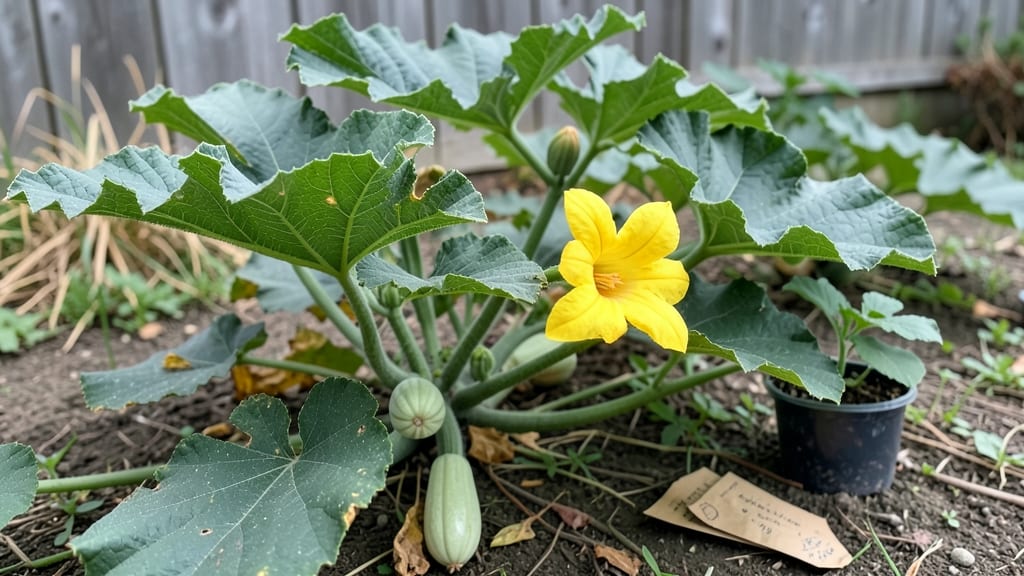
Trumpet squash seeds are the secret to growing long, elegant fruits that taste like summer in every bite—if you plant them right. I’ve grown these vines for years, and the difference between a thriving patch and a sad, wilted mess comes down to timing, soil, and a little patience.
The first time I tried, my seeds took three weeks to sprout, but once I adjusted my soil mix and watering, those vines exploded into 10-foot giants by July.
You’ll need a sunny spot with at least 6 hours of direct light, rich compost mixed into the soil, and space for vines to sprawl—think 5-6 feet between plants. Trumpet squash loves heat, so wait until after the last frost when soil temps hit 60°F or warmer.
Start seeds indoors 4-6 weeks before transplanting, or sow directly once the ground warms up. The key? Keep the soil consistently moist but not soggy—these plants hate wet feet.
By mid-summer, you’ll be harvesting 12-18 inch fruits with sweet, nutty flesh perfect for roasting or spiralizing. The vines produce prolifically if you prune them lightly and watch for squash bugs, which love to chew on young leaves.
A simple row cover early in the season keeps pests at bay without chemicals, and the more you harvest, the more the plant produces. It’s a foolproof way to grow a garden showstopper.
Works best in zones 3-10, though they thrive hardest in warmer climates. If you’re in a cooler area, opt for faster-maturing varieties like ‘Early Prolific’ or ‘Waltham Butternut.’
The biggest mistake? Planting too close together—crowded vines lead to fewer fruits. Give them room, and you’ll end up with a bounty that lasts through fall.
📚 In This Guide
- What you need
- Instructions
- Tips and common mistakes
- Wrapping up and next steps
What you need
- ● Trumpet squash seeds: 3–5 seeds per plant (or 10–15 if starting multiple vines). Choose heirloom or organic seeds for best results.
- ● Seed-starting mix: 1–2 gallons of sterile, well-draining potting soil (avoid garden soil—it can harbor diseases).
- ● Containers: Small pots (4–6 inches deep) for seedlings, or
- ● A seed tray with cell inserts (if starting indoors).
- ● Grow lights or sunny windowsill: A full-spectrum LED grow light (if indoors) or a south-facing window with 6+ hours of sunlight daily.
- ● Watering can or spray bottle: With a gentle misting nozzle for delicate seedlings.
- ● Plastic wrap or humidity dome: To retain moisture during germination.
- ● Garden trowel or transplanting tool: For moving seedlings outdoors.
- ● Fertilizer: A balanced organic fertilizer (e.g., 5-5-5) or compost tea to boost growth.
- ● Mulch: Straw or shredded leaves to retain soil moisture and suppress weeds.
- ○ Trellis or stakes (optional): Trumpet squash vines can sprawl—use a 5–6 ft tall trellis to save space.
- ● Pruning shears: For trimming vines as they grow (if desired).
- ● Garden journal: To track planting dates, watering schedules, and progress! 📖✨
Step-by-Step instructions for growing trumpet squash from seeds
Here's how to grow robust trumpet squash vines with minimal fuss—just follow these clear steps.
Start Seeds Indoors for Early Growth
Trumpet squash seeds need warmth to germinate, so I start them indoors 4-6 weeks before the last frost date. Fill small seed-starting pots with the seed-starting mix and plant 2-3 seeds per pot at a depth of 1 inch. Keep the soil consistently moist but not soggy—this prevents rot while encouraging germination.
Place the pots in a warm spot, ideally on a seedling heat mat set to 75-85°F. Cover the pots with plastic wrap to retain moisture, then remove it once you see the first sprouts, which usually appear in 7-10 days. Avoid overwatering now; dampness is key, but standing water will drown the seeds.
Transplant Seedlings Outdoors After Hardening
When seedlings have 2-3 true leaves and nighttime temperatures stay above 50°F, it’s time to move them outside. First, harden off the seedlings by placing them in a sheltered spot for 3-4 hours the first day, gradually increasing their outdoor time over 7-10 days. This helps them adjust to wind and sun without shock.
Choose a location with full sun (at least 6-8 hours daily) and well-draining soil. Trumpet squash vines spread widely, so space plants 3-4 feet apart in rows 6 feet apart to give them room to sprawl. Dig a hole slightly larger than the root ball, place the seedling in, and cover the roots with soil, pressing gently to remove air pockets.
Provide Support and Consistent Care
Trumpet squash vines grow 10-15 feet long, so I use tomato cages or sturdy trellises to keep them off the ground and prevent rot. Install supports as soon as you transplant seedlings, gently weaving vines through the structure as they grow. Water deeply 1-2 times per week, aiming for 1 inch of water per week—more in extreme heat or sandy soil.
Mulch around the base with straw or shredded leaves to retain moisture and suppress weeds. Trumpet squash thrives in warm soil, so avoid planting in cold, wet ground. If frost threatens after vines start running, cover them with row fabric to protect tender growth.
Fertilize and Monitor for Pests
Feed plants with a balanced vegetable fertilizer (like 10-10-10) when vines begin running, then again 4-6 weeks later. Trumpet squash is heavy-feeder, so follow package instructions for application rates. Watch for squash vine borers—tiny moths that lay eggs on stems. If you spot wilting or sawdust-like frass, cut open the stem to check for larvae and treat with neem oil if needed.
Yellowing leaves often signal overwatering or nutrient deficiency. If the soil feels soggy, reduce watering; if leaves look pale, add a potassium-rich fertilizer to boost strength. Trumpet squash flowers are yellow and bell-shaped, and female flowers develop a tiny squash at the base. Pollinate by hand if bees are scarce—gently shake the vines or use a small brush to transfer pollen.
Harvest at Peak Ripeness
Trumpet squash is ready to harvest when the skin turns deep yellow-green and the stem end hardens slightly. Use pruning shears to cut the squash from the vine, leaving 1-2 inches of stem attached. Harvest in the morning for the best flavor and texture. Store in a cool, dry place (around 50-55°F) for up to 2 weeks, or freeze for longer storage.
Don’t let squash overripe on the vine—they’ll turn woody and lose sweetness. If you miss a harvest, check the vine for small, undeveloped squash that can be saved for seed or composted. With proper care, each plant yields 4-6 large squash per season, making it a rewarding crop for patient growers.
Tips & tricks for growing trumpet squash from seeds
Growing trumpet squash from seeds is a rewarding process that requires patience and attention to detail. Here are my best tips to help you cultivate healthy, productive vines.
Seedling Heat Mat Tip: The 75-85°F temperature range on your seedling heat mat is crucial for germination. If you don’t have a heat mat, place the pots on top of your refrigerator or near a sunny window during the day. I’ve found that maintaining this warmth is what separates successful germination from failed attempts. The seeds need consistent warmth to break dormancy and begin growing.
Hardening Off Strategy: When you’re hardening off seedlings in Step 2, start with just 3-4 hours of outdoor exposure the first day. This gradual process prevents transplant shock. I’ve seen seedlings wilt dramatically when moved too quickly—sometimes they never recover. The key is to increase their outdoor time by about 2 hours each day until they’re ready for full sun exposure.
Soil Temperature Matters: Trumpet squash thrives in warm soil, ideally above 50°F. If your soil feels cool when you transplant, wait a few more days or use black plastic mulch to warm the soil faster. I’ve had better success when soil temperatures reach at least 60°F before planting. You can check soil temperature with a simple thermometer available at garden centers.
Pest Prevention: The squash vine borer is the biggest threat to trumpet squash. I’ve found that wrapping the stems with aluminum foil at the base of the plant creates a physical barrier that borers can’t penetrate. Apply the foil when the vines are about 6 inches tall, and leave it on throughout the growing season. This simple trick has saved my plants from devastating infestations.
Pro Tips for Trumpet Squash Seeds
- Growing trumpet squash from seeds is a rewarding process that requires patience and attention to detail.
- Seedling Heat Mat Tip: The 75-85°F temperature range on your seedling heat mat is crucial for germination.
- Hardening Off Strategy: When you’re hardening off seedlings in Step 2, start with just 3-4 hours of outdoor exposure the first day.
Frequently asked questions
Got questions about growing trumpet squash from seeds?
You’re not alone! Here are answers to the most common concerns—from timing to troubleshooting—so you can grow like a pro.
How long does it take for trumpet squash seeds to germinate?
Trumpet squash seeds typically sprout in 7–14 days after planting, depending on soil warmth and moisture. Keep the soil consistently moist (not soggy) and maintain temperatures above 70°F (21°C) for faster germination. If seeds don’t sprout in 2 weeks, they may need more warmth or a gentle scratch to break dormancy.
When is the best time to plant trumpet squash seeds outdoors?
Plant seeds 2–3 weeks after your last frost date when soil reaches 60–65°F (15–18°C). Trumpet squash is sensitive to cold, so wait until nighttime temps stay above 50°F (10°C). For cooler climates, start seeds indoors 4–6 weeks before transplanting to extend the growing season.
Can I save trumpet squash seeds from store-bought fruit?
Yes, but with a catch! Store-bought seeds may not produce true-to-type squash due to hybrid varieties. To save seeds, let a mature trumpet squash fully ripen on the vine, scoop out the seeds, rinse them, and dry them in a warm, dark place for 2–3 weeks. Store in a cool, dry spot for up to 5 years.
What pests or diseases should I watch for with trumpet squash?
Common threats include cucumber beetles, squash vine borers, and powdery mildew. Use row covers early to deter pests, rotate crops annually, and ensure good airflow. For mildew, apply a mix of 1 tsp baking soda + 1 quart water + a drop of dish soap as a preventive spray.
What can I plant alongside trumpet squash for companion planting?
Trumpet squash thrives with bush beans, corn, marigolds, and nasturtiums, which deter pests. Avoid planting near potatoes or melons, as they compete for nutrients. Interplanting with herbs like basil can also improve flavor and repel insects!
Wrapping up and next steps
Growing trumpet squash from seeds is a rewarding journey that brings vibrant, flavorful harvests to your table! 🌱 Whether you're a seasoned gardener or just starting, these hardy vines thrive with patience and care.
Now that you’ve got the know-how—from seed selection to troubleshooting—it’s time to roll up your sleeves and plant those seeds.
Ready to dive in? Start small with a few seeds, track your progress, and soon you’ll be enjoying homegrown trumpet squash in soups, salads, or roasted dishes. Happy gardening—your future harvests are waiting! 🌿