
Container Gardens
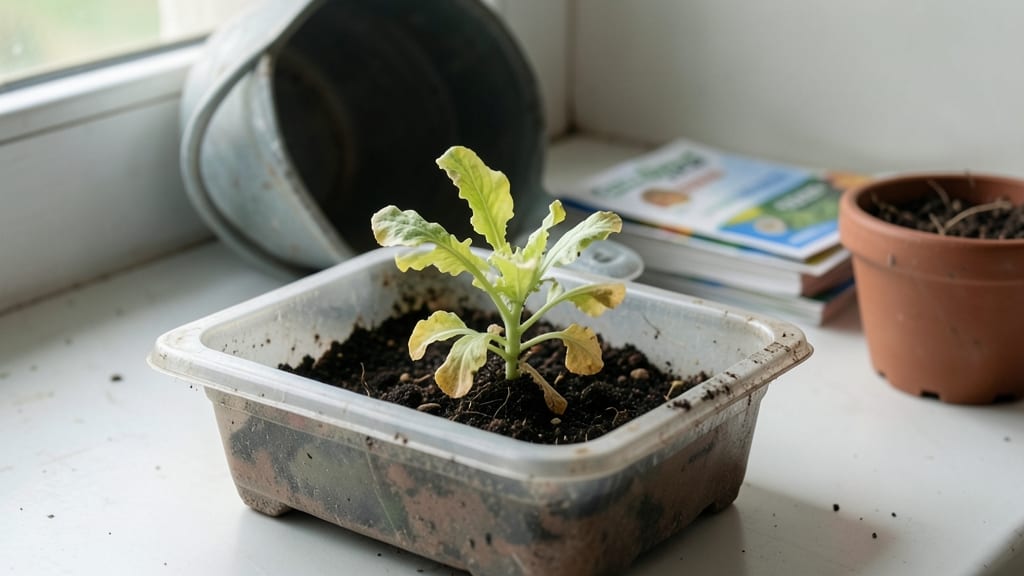
If the seeds not growing in your trays are leaving you baffled, it’s usually one of five sneaky issues hiding in plain sight—like depth, moisture, or soil. 🌱 that might as well have been concrete. The good news? Most problems have simple fixes—if you know where to look.
First, check the basics: planting depth, water consistency, and seed freshness. Seeds need just enough light to sprout, which means they shouldn’t be smothered under an inch of soil—most only need a light dusting or a shallow cover.
Overwatering or letting them dry out also sends them into hibernation mode. And if your seeds are older than a year, their viability might have expired.
Once you rule out the obvious, dig deeper into soil temperature, light exposure, and even the container you’re using. Warmth triggers germination, so if your seeds are sitting in a cold windowsill, they’ll wait until conditions improve.
A simple heat mat or sunny spot can make all the difference. You’ll see those first green shoots within days of adjusting just one factor.
This isn’t about guesswork—it’s about methodical troubleshooting. By the end, you’ll spot the red flags early and turn stubborn seeds into thriving seedlings. Let’s get those trays sprouting right.
Hidden Barriers Blocking Growth
When your seeds refuse to sprout or struggle to grow, the culprit is often one (or more!) of these overlooked factors. Understanding the science behind why seeds fail helps you troubleshoot with precision. Let’s break down the most common reasons—and how they sabotage your green thumb goals.
Seeds have a shelf life, and once expired, they lose their ability to germinate. The viability of a seed depends on its moisture content, temperature exposure, and storage conditions. For example:
- Most seeds stay viable for 1–5 years if stored properly (cool, dry, dark). Carrot seeds may last 2–3 years, while onion seeds drop to 1–2 years.
- Old seeds often fail because their embryos degrade or their seed coats harden, preventing water absorption. A simple float test can reveal this: Drop seeds in water—if they sink, they may still germinate; if they float, they’re likely dead.
- Poor storage (humidity, heat, or light) accelerates aging. Even "fresh" seeds from big-box stores can be 6–12 months old by the time you buy them.
💡 Pro Tip: Check the packaging date and store seeds in a cool (32–41°F), airtight container with a desiccant packet to extend viability.
Water is the spark that kickstarts germination, but too little or too much can drown seeds before they sprout. Here’s the science:
- Underwatering prevents the seed from absorbing enough moisture to activate enzymes that break down stored nutrients (like starches) into energy for the sprouting embryo.
- Overwatering leads to anaerobic conditions (lack of oxygen), which causes seeds to rot or develop fungal infections like Pythium.
- Inconsistent moisture creates a crust on soil, blocking oxygen and trapping heat—both of which suffocate seeds.
🌡️ Ideal Conditions:
- Keep soil consistently moist (like a wrung-out sponge).
- Avoid bottom-watering in shallow trays—it can create waterlogged pockets.
- Use a humidity dome or plastic wrap to retain moisture without drowning seeds.
✨ Expert Hack: Spritz seeds with a mist bottle instead of pouring water to avoid disturbing them.
Seeds have an optimal temperature range for germination, and straying from it slows or halts growth. Most seeds germinate best between 60–85°F (15–29°C), but some have specific needs:
| Seed Type | Ideal Germination Temp | What Happens Outside Range |
|---|---|---|
| Tomatoes, Peppers, Basil | 70–85°F (21–29°C) | Slow or no germination below 50°F (10°C). |
| Lettuce, Spinach, Carrots | 60–70°F (15–21°C) | May rot if too warm (above 80°F/27°C). |
| Cool-Season Crops (Peas, Radishes) | 50–65°F (10–18°C) | Germinate poorly in heatwaves. |
🔥 Common Mistakes:
- Placing trays on cold windowsills or drafty floors.
- Using heat mats for seeds that don’t need them (e.g., lettuce).
- Fluctuating temps (e.g., daytime heat + nighttime chill) confuse seeds.
🎯 Fix: Use a seedling heat mat for warm-loving seeds or move trays to a consistent indoor spot (like a sunny windowsill or under grow lights).
Contrary to popular belief, most seeds germinate in darkness—they need light after sprouting. Here’s the breakdown:
- Darkness during germination helps seeds focus energy on breaking through the soil rather than photosynthesizing.
- Too much light too soon can dry out soil and bleach seedlings (etiolation), causing weak, leggy stems.
- Buried too deep? Seeds need just enough soil to block light but still access oxygen. Rule of thumb: 2–3x the seed’s width (e.g., tiny lettuce seeds: ¼ inch; large beans: 1–2 inches).
💡 Pro Tip:
- Cover trays with a dark lid or damp paper towel until sprouts appear.
- Once seedlings emerge, move them to bright, indirect light (or grow lights 12–16 hours/day).
- Avoid direct sunlight until seedlings are 2–3 inches tall.
Even the "perfect" water and warmth won’t help if the soil is hostile. Key issues include:
- Wrong pH: Most seeds prefer a slightly acidic to neutral soil (pH 6.0–7.0). Alkaline soil (pH >7.5) locks out nutrients like phosphorus and iron, stalling growth. Acid-loving plants (e.g., blueberries, azaleas) need pH 4.5–5.5.
- Compacted or rocky soil blocks oxygen and water, suffocating seeds. Test by squeezing soil—if it holds a shape, it’s too dense.
- Chemical residues: Old garden soil may contain salt buildup, pesticides, or weed killer (e.g., glyphosate), which inhibit germination.
- No organic
Fix Your Seed Struggles Step-by-Step
Now that you’ve pinpointed why your seeds aren’t sprouting, it’s time to roll up your sleeves and take action! Below, we’ve mapped out practical fixes for each common issue—plus prevention tips to keep your future gardens thriving. Think of this as your seed-saving survival guide. 🌱✨
Problem: Compacted, nutrient-deficient, or overly dense soil suffocates seeds. Solution:
- 🔥 Loosen the Soil: Use a fork or trowel to aerate the top 4–6 inches of soil. Break up clumps so roots can penetrate easily.
- 🍳 Amend with Organic Matter: Mix in compost, coconut coir, or aged manure (1 part organic matter to 3 parts soil). Avoid fresh manure—it can burn seeds!
- 👨🍳 Test Your pH: Most seeds prefer 6.0–7.0 pH. Use a soil test kit (or vinegar/baking soda DIY test) and adjust with lime (to raise pH) or sulfur (to lower it).
- 🥘 Prevent Future Issues: Rotate crops yearly and top-dress with compost every season.
Pro Tip: 💡 If you’re using containers, swap out old soil every 1–2 years—it loses nutrients fast!
Problem: Too much or too little water drowns or dehydrates seeds. Solution:
- 🌡️ Keep It Moist (Not Soggy): Water gently to keep soil damp but not waterlogged. A spray bottle works for tiny seeds; a watering can with a fine rose nozzle is better for larger ones.
- ⏰ Stick to a Schedule: Water daily (or every other day for larger seeds) until sprouts appear. After germination, reduce to every 2–3 days once leaves develop.
- 🎯 Prevent Overhead Stress: Water at soil level (not from above) to avoid fungal diseases like damping-off. Use a drip irrigation system or water early in the day for containers.
- ✨ DIY Moisture Check: Stick your finger 1 inch into the soil—if it’s dry, water; if it’s sticky, hold off.
Problem: Seeds need the right light (or lack of it) to germinate. Solution:
- 🔥 For Light-Loving Seeds (e.g., tomatoes, peppers): Place trays in a sunny window (south-facing) or under grow lights 12–16 hours/day. LED grow lights are budget-friendly and energy-efficient.
- 🍳 For Shade-Tolerant Seeds (e.g., lettuce, spinach): Keep them in indirect light (east or north window) or under low-intensity lights. Too much sun can overheat soil.
- 👨🍳 Prevent Heat Stress: If using a seedling heat mat, never exceed 85°F—it can cook seeds. Aim for 70–75°F for most varieties.
- 🥘 Adjust for Season: In winter, supplement with lights. In summer, use shade cloth if temps rise above 90°F.
Pro Tip: 🌡️ Use a thermometer to monitor soil temp—many seeds need 65–85°F to sprout!
Problem: Mold, insects, or disease kill seeds before they sprout. Solution:
- 🔥 Prevent Mold (Damping-Off): Space seeds ¼–½ inch apart for airflow. Use sterilized soil (bake in oven at 200°F for 30 mins) and fungicide spray (neem oil or hydrogen peroxide solution: 1 tbsp per cup of water).
- 🍳 Stop Pests Early: Remove fruit flies, aphids, or slugs with yellow sticky traps or diatomaceous earth (food-grade only). For slugs, set up beer traps (bury a cup filled with beer).
- 👨🍳 Quarantine New Soil: If repurposing soil, pasteurize it (microwave for 2 mins or freeze for 48 hours) to kill pathogens.
- 🥘 Long-Term Defense: Rotate planting spots and avoid overwatering.
Pro Tip: ✨ Cinnamon dust (a pinch on soil) can inhibit fungal growth naturally!
Problem: Seeds need warmth to activate, but cold soil halts germination. Solution:
- 🔥 Use a Heat Mat: For slow starters (like peas or beans), place a seedling heat mat underneath trays. Set it to 70–75°F for optimal results.
- 🍳 Try the "Hot Cap" Trick: Cover seeds with clear plastic wrap (remove once sprouted) to trap warmth. Works like a mini greenhouse!
- 👨🍳 Pre-Warm Soil: If planting outdoors, black plastic mulch or a cloche can raise soil temp by 10–15°F.
- 🥘 Prevent Chilly Surprises: Check seed packets for cold-hardy varieties if you’re in a short season.
Pro Tip: 🌡️ Bottom watering (placing trays in a shallow dish of water) can help regulate moisture and keep roots warm.
Final Reminder: Patience is key! Some seeds take 10–14 days to sprout—don’t give up too soon. Keep track of your fixes in a gardening journal to refine your approach next time. Happy growing! 🌿💚
Frequently asked questions
Why are my seeds taking so long to sprout?
Most seeds need 5–14 days to germinate, depending on the type and conditions. Cold soil, old seeds, or poor moisture can delay sprouting. Check your soil temperature—many seeds need 60–85°F to activate. If they’re still dry after 2 weeks, they may be non-viable.
Can I save seeds from my garden for next year?
Yes, but only if the plants are healthy and disease-free. Harvest seeds from the strongest plants, let them fully dry, then store them in a cool, dark, airtight container with a desiccant packet. Most seeds stay viable for 1–5 years—check the packaging for specifics.
How do I know if my seeds are still good?
Perform a float test: Drop seeds in water—if they sink, they may still germinate. If they float, they’re likely dead. For older seeds, try soaking them in lukewarm water for 12 hours before planting to encourage germination.
What’s the best way to store seeds long-term?
Keep seeds in a cool (32–41°F), dry place with low humidity. Use airtight containers or resealable bags with silica gel packets. Label them with the seed type and date—this prevents mix-ups and helps track viability.
Should I use fertilizer when planting seeds?
No—fertilizer can burn delicate seedlings. Start with sterile, nutrient-light soil (like seed-starting mix) and wait until seedlings have 2–3 true leaves before applying a diluted liquid fertilizer (half-strength).