
Watering
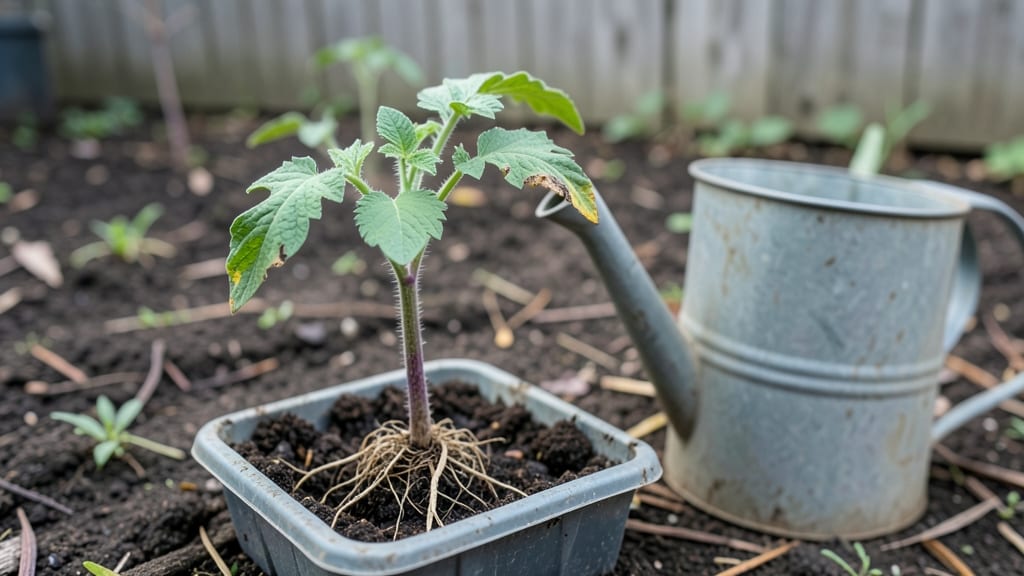
Growing strong seedlings is all about avoiding seedling growth mistakes that quietly sabotage their health before they ever reach your garden.
Your seedlings are the foundation of a thriving garden—but even small oversights can turn them into limp, struggling plants. Whether it’s drowning them in water or starving them for light, these errors happen more often than you’d think.
The good news? Most can be fixed with a few simple adjustments before it’s too late.
In USDA Zone 6a, where spring planting runs from late March to early May, timing and conditions matter more than ever. Too much moisture, poor soil, or inconsistent temperatures can stall growth—or worse, kill your seedlings entirely.
I’ve seen firsthand how quickly a healthy tray of 🌱 can turn into a sad, wilted mess in just days.
Here’s the breakdown: the 5 most critical mistakes gardeners make, why they happen, and exactly how to rescue your plants—plus tips to keep them thriving from the start.


5 Common seedling growth mistakes that stunt plant development
Seedlings are delicate but full of potential—until you make a few critical mistakes. Even well-meaning gardeners accidentally stunt growth with overwatering, poor lighting, or temperature swings. The good news?
Most issues are reversible if caught early. Let’s break down the top 5 seedling growth mistakes and how to fix them before your plants throw in the towel.
I’ve seen thriving seedlings turn into sad, yellowing stalks because of these avoidable errors. The key is recognizing the warning signs—wilting, stunted growth, or mushy stems—before they spiral. Let’s dive into the mistakes and how to rescue your little green friends.
Let’s tackle overwatering first, as it’s the silent killer of seedlings. You might think more water equals happier plants, but seedlings need consistent moisture, not soggy conditions. The soil should feel like a damp sponge—never muddy.
If you notice black, mushy stems or seedlings falling over easily, damping off has likely set in. The fix? Reduce watering immediately and ensure pots have drainage holes.
Next up: poor lighting. I’ve seen seedlings lean so dramatically they resemble question marks. This isn’t just unsightly—it’s a sign of etiolation, where plants stretch desperately for light. If your seedlings are tall and spindly with pale leaves, it’s time to act.
Move them closer to a bright window or invest in a LED grow light (12-16 hours a day). Rotate trays daily so all sides get equal light.
Temperature swings can be just as damaging. Seedlings are like Goldilocks—they need conditions to be just right. Below 60°F, growth slows to a crawl. Above 80°F, they wilt and stress.
Use a seedling heat mat for cool starts or place trays on a stable surface away from air conditioning vents or drafty windows. A simple thermometer can help you monitor temps like a pro.
Overcrowding is another sneaky culprit. When seedlings are packed too tightly, they compete for water, nutrients, and light, leading to weak, leggy plants. If you spot yellowing leaves or stunted growth, it’s time to thin.
Use clean scissors to snip unwanted seedlings at soil level, leaving the strongest ones with 1-2 inches of space between them. This might feel cruel, but trust me—your survivors will thank you.
Finally, nutrient deficiencies can turn your seedlings into sad little ghosts. Yellow leaves? That’s often a nitrogen deficiency. Purple stems or slow growth? You might need more phosphorus.
The solution? A balanced, water-soluble fertilizer (like 5-10-10) applied at half-strength. Feed seedlings every 2-3 weeks during active growth, but avoid fertilizing right after transplanting—let them recover first.
Catching these mistakes early can mean the difference between a bountiful harvest and a sad pile of compost. Keep an eye out for those early warning signs, and don’t hesitate to adjust your care routine.
Your seedlings will grow up strong, healthy, and ready to take on the garden—no limp stems in sight! 🌱
How to fix seedling mistakes: step-by-step recovery guide
Even the most experienced gardeners accidentally stumble when nurturing seedlings. The good news? Most seedling growth mistakes are reversible with quick action. Whether your plants are overcrowded, wilting, or showing signs of nutrient deficiencies, targeted fixes can save them.
Let’s tackle the most common issues and restore your seedlings to vibrant health.
Start by diagnosing the problem. Check the soil moisture, light exposure, and root development of each seedling. A simple soil test or visual inspection can reveal whether your plants are thirsty, drowning, or starving for nutrients.
Once you identify the root cause, you can apply the right solution without further harm.
⚠️
- Yellow leaves = Overwatering or nutrient deficiency
- Leggy stems = Insufficient light
- Stunted growth = Overcrowding or cold temperatures
- Black stems = Damping off (fungal infection)
If your seedlings are overwatered, the first step is to stop watering immediately. Gently remove them from their containers and let the roots dry out for a few hours. Repot in fresh, well-draining soil to prevent root rot.
For underwatered seedlings, soak the soil thoroughly and place them in a humidity tray to recover. Always water at the base of the plant to avoid wetting the leaves, which can lead to fungal issues.
For seedlings suffering from poor light exposure, move them to a brighter spot immediately. If natural light is insufficient, supplement with a grow light placed 6-12 inches above the seedlings.
Aim for 12-16 hours of light daily to encourage strong, sturdy growth. Rotate the trays every few days to ensure even exposure and prevent leggy stems.
Overcrowded seedlings compete for nutrients and space, leading to weak, spindly plants. Repot them into larger containers or transplant them into the garden with at least 2-3 inches of space between each seedling.
Prune any damaged or yellowing leaves to redirect energy to new growth. Use a balanced fertilizer (5-10-10) sparingly to support recovery without overwhelming the roots.
Finally, monitor the temperature of your seedlings. They thrive in 65-75°F conditions. If your seedlings are in a cold draft or hot window sill, adjust their location or use a seedling heat mat for consistent warmth. Avoid sudden temperature swings, which can shock the plants and stunt their growth.
With these steps, your seedlings will bounce back stronger than ever. Keep an eye on their progress and adjust care as needed. Happy gardening! 🌱