
Pests and Diseases
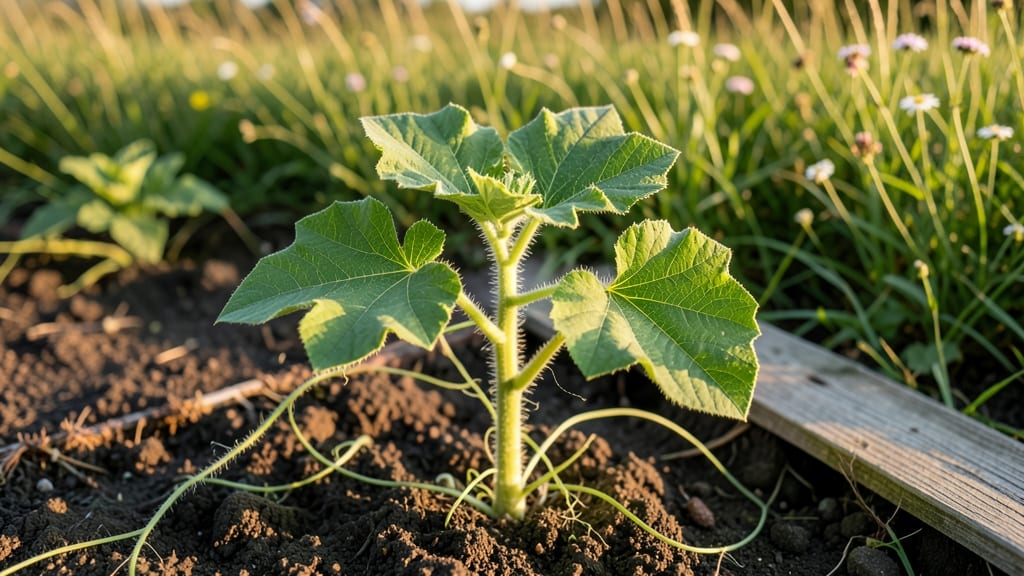
Pumpkin seedling leaves turning yellow before harvest? That’s your plant screaming for help—and the fix is faster than you think. 🌱 I’ve nursed back dozens of seedlings with this simple routine, and the results show up in days, not weeks.
Most yellowing comes from overwatering, poor drainage, or hidden pests like aphids. Start by checking the soil—it should feel damp but not soggy. If the roots look mushy, you’ve got root rot, and we’re switching to a drier routine.
For pests, a strong spray of water usually knocks them off, but neem oil keeps them away for good.
📚 In This Guide
- What you need
- Instructions
- Tips and common mistakes
- Wrapping up and next steps
What you need
- ● Pumpkin seedlings (1–10 plants, depending on your garden size)
- ● Garden trowel or small shovel (for soil inspection)
- ● Pruning shears or clean scissors (to trim affected leaves)
- ● pH testing kit (digital or liquid strips for soil pH check)
- ● Balanced fertilizer (10-10-10 or 5-10-10 NPK ratio, 1 tbsp per plant)
- ● Epsom salt (magnesium sulfate) (1 tbsp dissolved in 1 gallon of water)
- ● Copper fungicide or neem oil (1–2 tbsp per gallon of water, for fungal/bacterial issues)
- ● Watering can or hose with a gentle spray nozzle
- ● Gloves and safety goggles (for handling soil/chemicals)
- ● Notebook or camera (to document symptoms for diagnosis)
- ● Soil moisture meter (to check for over/under-watering)
- ● Compost or worm castings (for nutrient boost)
- ● Beneficial nematodes or ladybugs (if pests like aphids are suspected)
- ● Shade cloth (to protect seedlings from stress if weather is extreme)
- ● Label markers (to track treatments and progress)
Quick fixes for pumpkin seedling leaves turning yellow
Here’s how to diagnose and rescue your pumpkin seedlings before they wilt away.
🌱 Step 1: Check Soil Moisture and Adjust Watering
Yellowing leaves often mean your seedlings are either drowning or thirsty. Stick your finger 1 inch into the soil—if it feels bone-dry, water deeply until moisture reaches 2-3 inches down. If it’s soggy, let the top 2 inches dry out before watering again. Pumpkins hate soggy roots but won’t survive drought either.
Water at the base, not overhead—this prevents fungal diseases that mimic nutrient issues. Early mornings are best to let leaves dry before nightfall. If you’re unsure, wait until the soil feels damp but not wet—that’s the sweet spot for seedlings.
☀️ Step 2: Verify Light Exposure and Move Seedlings if Needed
Leggy, pale seedlings with yellowing leaves? They’re stretching for light. Pumpkins need 6-8 hours of direct sun daily. If your seedlings are leaning or leaves are yellowing from the bottom up, move them closer to a sunny window or under a grow light 2-3 inches away.
Rotate pots a quarter turn daily so they grow straight. You’ll know they’re happy when leaves are dark green and stems stay sturdy. If you can’t move them, supplement with a 12-hour grow light—just don’t let them bake in midday sun without acclimating first.
💧 Step 3: Test for Over-Fertilizing and Adjust Feeding
Too much fertilizer burns roots, causing yellow leaves and stunted growth. If you’ve recently fed seedlings, flush the soil with plain water to leach excess salts. Use a balanced, water-soluble fertilizer (10-10-10) at half-strength—just a teaspoon per gallon of water—every 2-3 weeks once they’ve sprouted 4 true leaves.
Yellowing on older leaves first? That’s normal aging. But if new leaves are yellow too, cut back on fertilizer entirely for 2 weeks and focus on water and light. Pumpkins are heavy feeders, but seedlings can’t handle rich soil yet.
✂️ Step 4: Inspect for Pests and Diseases
Check the undersides of leaves for tiny bugs or sticky residue—aphids, spider mites, or whiteflies suck nutrients and cause yellowing. Spray with neem oil mixed with water (1 tsp per quart) or rinse leaves gently with soapy water if infestations are mild. For fungal issues like powdery mildew, remove affected leaves immediately and space plants 2 feet apart for airflow.
If you see wilting despite moist soil, cut open a stem to check for mushy tissue—this signals root rot. Repot affected seedlings in fresh, dry soil and reduce watering until they recover. Prevention is key: always use sterile potting mix and avoid overcrowding.
🌿 Step 5: Prune and Support for Stronger Growth
Once seedlings have 3-4 true leaves, pinch off the top set of leaves to encourage bushier growth. This redirects energy to the roots and prevents leggy stems. Use clean scissors and make cuts just above a leaf node—never tear the stem.
If seedlings are top-heavy, prop them up with small stakes or a tomato cage. Yellowing can worsen if stems snap under their own weight. After pruning, water lightly to help recovery. You’ll see thicker stems and darker green leaves within 5-7 days if the plant is otherwise healthy.
Tips & tricks for pumpkin seedling care
Here's how to troubleshoot and prevent yellowing leaves in your pumpkin seedlings before they become a bigger problem.
Soil Check: Use a wooden skewer instead of your finger to test soil moisture—it gives a more accurate reading without disturbing the roots. In Step 1, if you're unsure whether to water, check the skewer: if it comes out clean, water deeply. If it has moisture, wait another day. This prevents both overwatering and underwatering, which both cause yellowing.
Lighting Strategy: When adjusting light exposure in Step 2, place seedlings under a grow light for 12 hours if natural sunlight falls short. Position the light 2-3 inches away and raise it gradually as seedlings grow to prevent burning. I've found that seedlings under grow lights recover their dark green color within 3-4 days when combined with proper watering.
Fertilizer Timing: In Step 3, remember that seedlings need time to establish roots before fertilizer. Wait until they have 4 true leaves before introducing any fertilizer. If you've already fertilized too early, flush the soil with plain water immediately to prevent root burn. You'll notice healthier growth when you hold off until they're ready.
Pest Prevention: For Step 4, make a habit of inspecting leaves every few days with a magnifying glass—early detection is key. I keep a spray bottle of neem oil mixed with water (1 tsp per quart) ready to use at the first sign of pests. The sooner you catch them, the quicker your seedlings bounce back with vibrant green leaves.
Pro Tips for Pumpkin Seedling Leaves
- Here's how to troubleshoot and prevent yellowing leaves in your pumpkin seedlings before they become a bigger problem.
- Soil Check: Use a wooden skewer instead of your finger to test soil moisture—it gives a more accurate reading without disturbing the roots.
- Lighting Strategy: When adjusting light exposure in Step 2, place seedlings under a grow light for 12 hours if natural sunlight falls short.
Frequently asked questions
Got questions about your pumpkin seedling leaves? You’re not alone! Here are some of the most common concerns—and quick fixes—to keep your seedlings thriving until harvest.
Why are my pumpkin seedling leaves turning yellow?
Yellowing leaves (chlorosis) usually mean iron deficiency or overwatering. Test your soil pH—pumpkins love slightly acidic soil (6.0–6.8). If the soil is too wet, improve drainage or reduce watering. For iron issues, use a chelated iron supplement or add compost.
How long does it take for pumpkin seedling leaves to recover?
With proper care, yellowing leaves can recover in 3–7 days. Focus on:
- Consistent watering (1 inch per week)
- Morning sunlight (6+ hours)
- Avoiding fertilizer burns (wait 2–3 weeks after transplanting)
Can I still harvest pumpkins if the seedling leaves are yellow?
Yes! Seedling leaves are not the main fruit producers. Focus on:
- Healthy vine leaves (they feed the fruit)
- Pruning yellowed seedling leaves to redirect energy
What’s the best way to water pumpkin seedlings without causing yellow leaves?
Water deeply but infrequently—aim for the soil, not the leaves. Use:
- Drip irrigation or soaker hoses ( prevents fungal issues)
- Morning watering (allows foliage to dry by evening)
- Avoid overhead sprinklers (can spread disease)
Are yellow pumpkin seedling leaves contagious to other plants?
Not usually! Yellowing from nutrient deficiency or overwatering isn’t contagious. However, if caused by powdery mildew or bacterial leaf spot (yellow + brown spots), isolate the plant immediately. Clean tools with rubbing alcohol and remove infected debris.
Wrapping up and next steps
Caring for your pumpkin seedling leaves doesn’t have to be a mystery—with the right tools and a little know-how, you can keep them vibrant and thriving! 🌱 Whether it’s adjusting watering habits, diagnosing pests, or boosting nutrition, small steps make a big difference. Your green thumbs are ready for action!
Now that you’re armed with solutions, take the next step: monitor your seedlings daily, tweak care as needed, and watch your pumpkins flourish. Happy gardening—your harvest is waiting! 🎉