
Diseases
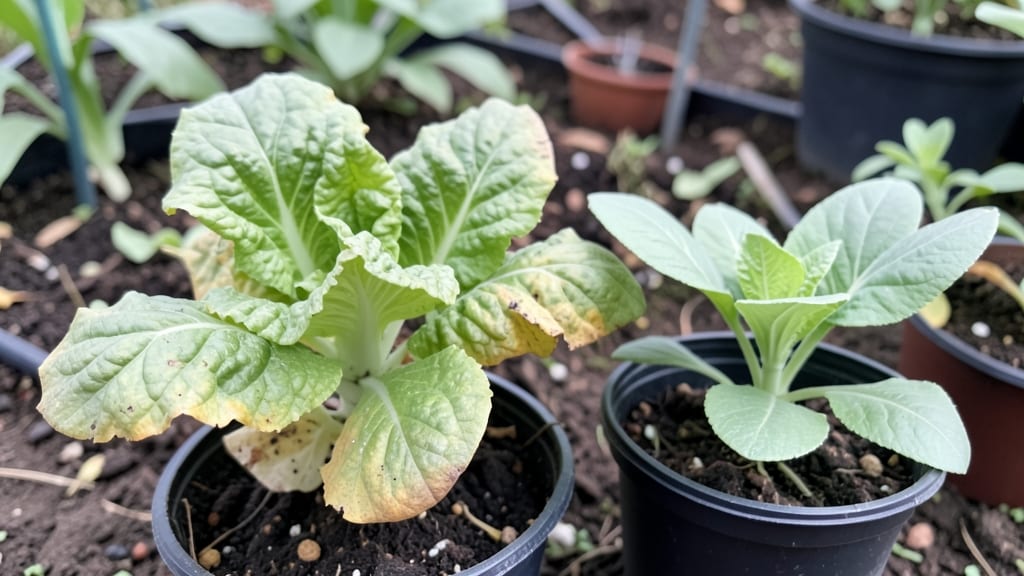
Deformed seedling leaves can turn a promising garden into a frustrating mystery—until you know what’s really going on. 🌱 I’ve seen everything from stunted growth to twisted, yellowing leaves, and most of the time, it’s not what you’d expect.
The good news? Fixing it is simpler than you think, once you spot the right clues.
Overwatering, nutrient imbalances, or even a snug seedling tray can warp those delicate first leaves. I’ve learned that the fix often starts with checking the soil moisture, adjusting light exposure, or giving roots more space to breathe.
Most gardeners overlook the simplest fixes—like letting seedlings dry out slightly between waterings—because they assume the problem is worse than it is.
By the end of these three steps, your seedlings will be standing tall with smooth, vibrant leaves. No more guessing games—just healthy plants ready to thrive. The key is acting fast, because once those leaves harden, the damage can set in for good.
Works for tomatoes, peppers, herbs, or any seedling struggling to grow straight. Let’s get those leaves back to normal before it’s too late.
Root Causes Behind Twisted Seedlings
When your seedlings sprout with misshapen, curled, or stunted leaves, it’s often a sign that something went wrong during their early development. Understanding the why behind these deformities is the first step toward prevention and correction.
Below, we break down the most common culprits—from environmental stressors to biological threats—and explain how they warp young plant growth.
Seedlings are delicate, and their leaves can deform when exposed to unpredictable temperature swings. Too much heat (above 85°F) or sudden cold snaps (below 50°F) disrupt cellular metabolism, leading to:
- Heat stress: High temperatures cause proteins to denature, stunting leaf expansion and creating crinkled or blistered edges.
- Cold damage: Chilly conditions slow enzyme activity, resulting in thin, pale, or cupped leaves.
- Nighttime chilling: If seedlings experience warm days but cold nights, their growth becomes asynchronous, causing uneven leaf development.
Pro Tip: 🌡️ Use a seedling heat mat (70–75°F) or a cloche to maintain consistent warmth. Avoid placing trays near drafts or radiators.
Water is essential, but improper hydration is a top cause of deformed seedling leaves. Both overwatering and underwatering create stress that warps growth:
| Issue | Symptoms | Why It Happens |
|---|---|---|
| Overwatering |
|
Excess moisture drowns roots, cutting off oxygen and triggering anaerobic respiration. This produces ethylene gas, which distorts leaf cells. |
| Underwatering |
|
Lack of water causes osmotic stress, forcing cells to shrink. Leaves curl inward to conserve moisture, while new growth becomes thin and deformed. |
Pro Tip: 💧 Use a moisture meter or the finger test—insert your finger 1 inch into soil; if it’s dry, water lightly. Ensure pots have drainage holes to prevent soggy roots.
Seedlings are sensitive to nutrient deficiencies or toxic buildups, which can lead to distorted leaves. Common offenders include:
- Nitrogen deficiency: Leaves turn yellow between veins (chlorosis) and may curl or pucker as the plant struggles to produce chlorophyll.
- Phosphorus shortage: Causes dark, purple stems and small, twisted leaves due to poor energy transfer in cells.
- Excess salt (from fertilizer burn): Leads to crispy, brown leaf edges and stunted growth as roots absorb too many dissolved minerals.
- pH extremes: Soil pH below 5.5 or above 7.0 locks out nutrients like iron or manganese, causing yellowing and deformed new leaves.
Pro Tip: ⚗️ Start with a balanced starter fertilizer (e.g., 5-10-5 ratio) and test soil pH (ideal: 6.0–7.0 for most seedlings). Flush soil with water if you suspect salt buildup.
Fungal, bacterial, or insect infestations can physically damage or inhibit nutrient uptake, leading to deformed leaves. Watch for:
| Culprit | Leaf Deformities | How to Spot It |
|---|---|---|
| Downy Mildew (fungus) |
|
Thrives in humid, cool conditions (60–75°F). |
| Aphids (insects) |
|
Check for tiny green/black bugs clustering on new growth. |
| Bacterial Leaf Spot |
|
Spreads via contaminated water or tools. |
Pro Tip: 🛡️ Prevent fungal issues with spaced airflow (avoid overcrowding) and copper fungicide if needed. For pests, blast seedlings with water or use neem oil (1 tsp per liter of water).
Even gentle mishandling can deform seedling leaves. Common triggers include:
- Root circling: If roots grow in tight circles (from small pots), they strangle the plant, causing stunted, twisted leaves.
- Transplant shock: Moving seedlings too early or roughly damages root hairs, reducing water/nutrient uptake and leading to yellowing and curled new growth.
- Wind or mechanical damage: Strong breezes or brushing against leaves can crush cells, resulting in irregular, jagged edges.
Pro Tip: 🌱 Hardening off seedlings gradually (5–7 days of outdoor acclimation) and use biodegradable pots to avoid root disturbance. Support tall seedlings with stakes if wind is an issue.
Fixing Warped Seedling Leaves Fast
Seeing those twisted, curled, or stunted seedling leaves can be frustrating—but the good news is most issues have quick fixes. Below, we’ve mapped out the most common causes of deformed seedling leaves and the step-by-step solutions to restore healthy growth.
Plus, we’ll share prevention tips to keep future seedlings strong and straight!
If your seedlings are sitting in soggy soil or waterlogged trays, their leaves may yellow, wilt, or develop strange shapes. Roots suffocate in excess moisture, starving the plant of oxygen and nutrients.
🍳 How to Fix It
- 👨🍳 Check the Soil
- Stick your finger 1 inch into the soil. If it’s damp, wait before watering again. Seedlings only need water when the topsoil feels dry to the touch.
- Pro Tip: Use a moisture meter for accuracy—no guesswork!
- 🥘 Improve Drainage
- Repot seedlings into containers with drainage holes (like plastic cups with poke holes or seedling trays with slits).
- Mix in perlite or vermiculite (10-20%) to aerate the soil and prevent compaction.
- ⏰ Adjust Your Watering Routine
- Water only at the base of seedlings (not overhead) to avoid fungal diseases.
- Use a spray bottle for delicate seedlings or a watering can with a fine rose.
💡 Prevention Tips
- Choose well-draining seed-starting mixes (avoid garden soil—it compacts too easily).
- Place trays on a cache pot or saucer filled with pebbles to lift seedlings slightly and improve airflow.
Seedlings crave warmth and light—but too much heat (like sitting on a sunny windowsill) or uneven light (like stretching toward a single window) can warp leaves. Cold drafts or sudden temperature swings also cause deformities.
🔪 How to Fix It
- 🌡️ Stabilize Temperatures
- Keep seedlings in a spot with consistent temps between 65–75°F (18–24°C) during the day and 55–65°F (13–18°C) at night.
- Avoid placing them near vents, doors, or air conditioners.
- 💡 Optimize Light Exposure
- Rotate trays quarter-turn daily so all seedlings get even light.
- Supplement with a grow light (LED or fluorescent) 12–16 hours/day if natural light is weak.
- Pro Tip: Keep lights 2–4 inches above seedlings—too close = leaf burn; too far = leggy growth.
- 🌿 Harden Off Gradually
- If seedlings were started indoors, acclimate them to outdoor temps over 5–7 days before transplanting. Start with 1 hour outside, then increase daily.
✨ Prevention Tips
- Use a heat mat (70°F) under trays to encourage faster, stronger growth in cool climates.
- Monitor humidity—use a small fan on low speed to prevent mold and encourage sturdy stems.
Too little (or too much!) fertilizer can cause seedlings to grow lopsided, with leaves curling, yellowing, or developing dark spots. Common culprits: nitrogen overload, phosphorus/potassium imbalances, or micronutrient deficiencies.
📊 How to Fix It
- 💪 Flush the Soil
- If you suspect over-fertilizing, leach the soil by watering thoroughly until water runs out the drainage holes. Repeat 2–3 times over a week.
- Pro Tip: Use rainwater or distilled water to avoid adding more salts/minerals.
- 🥗 Adjust Fertilizer Use
- Weak seedlings? Use a balanced, water-soluble fertilizer (like 5-5-5) at half-strength every 2–3 weeks.
- Dark, crispy leaves? Too much salt—rinse soil immediately and reduce fertilizer frequency.
- Pale yellow leaves? Likely nitrogen deficiency—switch to a high-nitrogen fertilizer (like fish emulsion).
- 🍎 Boost Micronutrients (If Needed)
- For slow growth or purple stems, add a chelated iron or magnesium supplement (like Epsom salt—1 tsp per gallon of water).
🎯 Prevention Tips
- Wait until seedlings have 2–3 true leaves before fertilizing.
- Stick to organic options (compost tea, worm castings) for sensitive seedlings.
- Test soil pH—most seedlings thrive in 5.8–6.5 range. Adjust with lime (to raise) or sulfur (to lower).
With these fixes, your seedlings should bounce back in 7–14 days. The key is acting fast—once leaves deform, they won’t revert to normal, but new growth will straighten out with proper care. Happy growing! 🌱
Frequently asked questions
Why are my seedling leaves curling inward like little cups?
Cup-shaped seedling leaves usually signal underwatering or osmotic stress. When soil dries out too much, leaves curl inward to conserve moisture. Check soil moisture by sticking your finger 1 inch deep—if dry, water gently at the base. Also verify your pots have drainage holes to prevent future issues.
Can I save seedlings with yellowing, deformed leaves from overwatering?
You can often recover them by immediately improving drainage. Repot into fresh, well-draining mix with perlite and stop watering until the top inch feels dry. The damaged leaves won't recover, but new growth should straighten in 7-10 days if roots aren't rotted. For severe cases, trim affected leaves to redirect energy.
What's the difference between heat stress and nutrient deficiency deformities?
Heat stress causes crinkled, blistered edges with a glossy sheen, while nutrient deficiencies create puckered or twisted leaves with yellowing between veins (chlorosis). Check your growing environment first—if temps exceed 85°F, provide shade. If leaves show vein yellowing, test soil pH and consider a balanced fertilizer.
Why do my seedlings have jagged, irregular leaf edges?
This often indicates mechanical damage (wind, rough handling) or pest activity. Check for tiny insects like thrips or mites on leaf undersides. If no pests, ensure seedlings aren't in drafty areas. For prevention, use biodegradable pots and support tall seedlings with stakes.