Picking
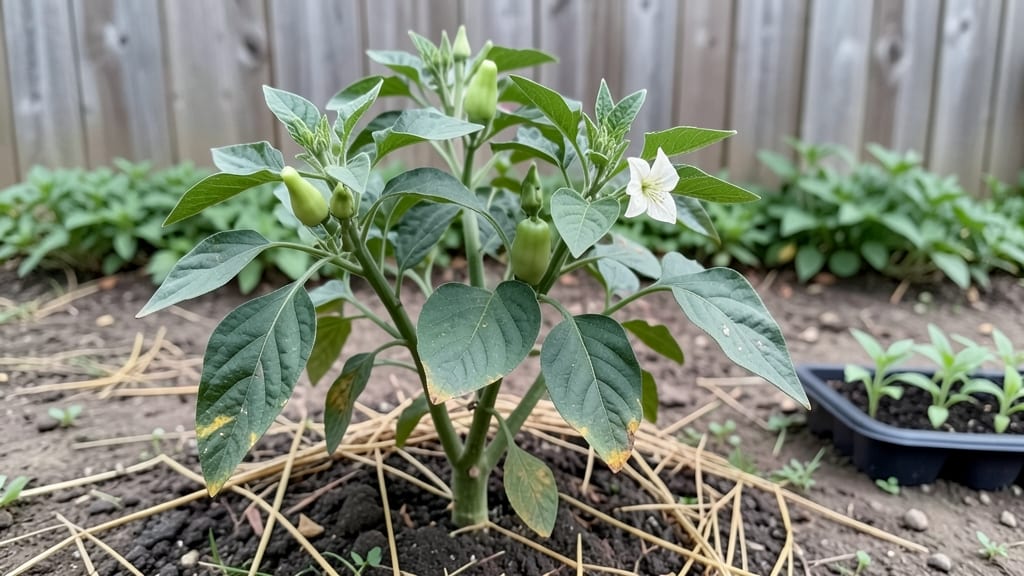
Seeding jalapeno peppers indoors gives you a head start on the growing season and lets you pick varieties that disappear from garden centers by spring—timing matters, or those seedlings will stretch tall and weak. too late and you won’t harvest before frost.
The key is matching your last frost date to the 8-10 week germination window jalapenos need before transplanting.
You’ll need a seed-starting tray, sterile seed mix, and a heat mat set to 75-85°F—jalapenos germinate best in warm soil. Plant seeds just ¼ inch deep, 2 inches apart, and keep the soil consistently moist but not soggy.
A clear plastic dome or plastic wrap creates a greenhouse effect until sprouts appear in 7-14 days. Most beginners overwater here, so stick your finger in the soil before watering—it should feel damp but not muddy.
Once sprouts emerge, move them to a sunny windowsill or under grow lights for 14-16 hours daily. You’ll see the first true leaves in about 2 weeks, and that’s when you can start fertilizing lightly with diluted fish emulsion.
The real payoff comes when you transplant sturdy seedlings into the garden after all danger of frost has passed—they’ll reward you with heat-packed peppers all summer long.
This method works in any climate zone, though southern growers can start seeds earlier. The biggest mistake? Skipping the heat mat—jalapenos are tropical and won’t germinate well in cool soil.
With these steps, you’ll go from seed to harvest in just 3 months, and your neighbors will be asking for your secret sauce. Now let’s get those seeds planted!
📚 In This Guide
- What you need
- Instructions
- Tips and common mistakes
- Wrapping up and next steps
What you need
- ● Jalapeño seeds: 1–3 seeds per seedling (or a packet of heirloom/open-pollinated seeds for variety). Pro tip: 💡 Save seeds from store-bought peppers only if labeled "heirloom" or "organic"—hybrids may not reproduce true!
- ● Seed-starting mix: 1–2 cups of sterile, lightweight potting mix (avoid garden soil—it’s too dense!). Look for labels like "seed starter" or "organic."
- ○ Containers: 2–4 small pots (3–4 inches deep) with drainage holes, or a seed tray with individual cells. Optional: Biodegradable peat pots for easy transplanting!
- ● Water: Room-temperature, filtered water (chlorine can harm seeds). A spray bottle helps avoid oversaturating.
- ● Grow lights or sunny windowsill: 6–8 hours of light daily. A full-spectrum LED grow light (12–16 inches above seedlings) is ideal.
- ● Plant labels: Small sticks or tags + a marker to track seedling progress.
- ● Misting spray bottle: For gentle hydration (avoid drowning seeds!).
- ○ Heat mat (optional): 70–80°F range speeds germination for early starts. Pro tip: 🌡️ Place containers on a warm spot (like a fridge top) if no mat is handy!
- ● Tweezers or toothpick: For delicate seed placement.
- ● Plastic wrap or humidity dome: Keeps seeds cozy until sprouts appear (2–3 weeks).
- ● Timing: Start seeds 8–10 weeks before your last frost date (jalapeños need warmth!). Check your local frost dates.
- ○ Space: Ensure seedlings have a warm (70°F+) spot to thrive. Optional: A greenhouse or cold frame extends the season!
- ● Patience: Germination takes 7–21 days—jalapeños can be slow starters!
Step-by-step instructions for seeding jalapeno peppers
Here’s how to start your own fiery jalapeños from seed with perfect timing and care.
Prepare Containers and Soil for Germination
Fill your seed-starting containers with the seed-starting mix to within ½ inch of the rim. Press the mix down gently to remove air pockets—this ensures good root contact. I like to tap the containers lightly on the table to settle the soil evenly. Moisten the mix until it feels like a damp sponge, not dripping water. Jalapenos need well-draining soil to prevent rot, so avoid compacting it too much.
Jalapeno seeds germinate best in warmth, so place the containers in a spot where the soil stays between 75-85°F. A seedling heat mat works wonders if your home runs cooler. Cover the containers with plastic wrap or a humidity dome to trap warmth and moisture. Check daily for condensation—if it’s heavy, remove the cover for 10-15 minutes to prevent mold.
Sow Seeds at the Right Depth and Depth
Plant 2-3 seeds per cell at a depth of ¼ inch, which is about twice the size of the seed. Press them lightly into the soil—too deep, and they’ll struggle to break through. I use a toothpick to make small holes for precision. Space containers 2-3 inches apart to allow airflow, which reduces the risk of damping-off disease.
After sowing, mist the soil surface with water until it’s evenly moist. Avoid soaking the seeds, as excess water can wash them deeper or cause rot. Place the containers in a bright, warm spot (like near a sunny window or under grow lights). Germination typically takes 7-14 days, but consistency in warmth speeds it up. If seeds don’t sprout within 2 weeks, they may need more heat or fresh planting.
Provide Light and Care for Seedlings
Once seedlings emerge, remove the humidity dome immediately to prevent fungal growth. Position them under grow lights or in a south-facing window where they get 12-14 hours of light daily. Jalapenos need strong light to avoid becoming leggy—thin, stretched stems that never recover. If seedlings lean toward the light, rotate the containers daily so they grow straight.
Water gently from the bottom by placing containers in ½ inch of water for 10-15 minutes. This encourages deep root growth. Keep the soil consistently moist but not soggy—let the top ½ inch dry out between waterings. Fertilize lightly with a balanced liquid fertilizer (like 10-10-10) at ½ strength once the first true leaves appear. Over-fertilizing now can burn tender seedlings.
Thin and Harden Off Seedlings
When seedlings reach 2 inches tall and have 2-3 true leaves, thin them to the strongest plant per cell. Snip the weaker stems at the base with scissors—don’t pull, or you’ll disturb the roots of the remaining plant. This step ensures your jalapeños have space to grow without competing for nutrients. After thinning, water deeply to help the remaining seedlings recover.
Start hardening off your jalapeños 2 weeks before transplanting outdoors. Place them outside in a sheltered, shaded spot for 1 hour the first day, gradually increasing time and sun exposure over 7-10 days. This prepares them for outdoor conditions. By the time you transplant, they should tolerate full sun and breezes without wilting. Choose a cloudy day for transplanting to reduce shock.
Tips & tricks for seeding jalapeno peppers
Precision timing and the right conditions make all the difference when growing jalapeños from seed.
Temperature Matters: Maintaining soil temperatures between 75-85°F is critical for germination. If your home runs cooler, a seedling heat mat is worth the investment. I’ve found that placing containers on top of the fridge or near a sunny window can also help maintain warmth without extra equipment. Consistency is key—fluctuating temperatures can delay or prevent germination entirely.
Germination Timing: The 7-14 day germination window can feel like a waiting game, but patience pays off. To speed things up, keep the soil consistently moist and maintain that warm environment. If seeds don’t sprout within 2 weeks, they may need more heat or fresh planting. I’ve learned to test a few seeds in a separate container with a heat mat to confirm viability before committing all my seeds.
Light Requirements: Once seedlings emerge, they need 12-14 hours of light daily to prevent legginess. If using natural light, rotate containers daily so they grow straight. Grow lights are ideal for consistent results, especially if your windows don’t get enough sunlight. I’ve seen seedlings stretch dramatically toward weak light sources—this is your cue to invest in proper lighting if needed.
Thinning Strategy: When thinning to the strongest seedling per cell, be gentle but decisive. Using clean scissors to snip at the base prevents disturbing the roots of your remaining plant. This step might seem harsh, but it ensures your jalapeños have the space they need to thrive. After thinning, give the remaining seedlings a deep watering to help them recover from the stress.
Pro Tips for Seeding Jalapeno Peppers
- Precision timing and the right conditions make all the difference when growing jalapeños from seed.
- Temperature Matters: Maintaining soil temperatures between 75-85°F is critical for germination.
- Germination Timing: The 7-14 day germination window can feel like a waiting game, but patience pays off.
Frequently asked questions
about seeding jalapeño peppers—because even spicy adventures need a little clarity!When is the best time to start seeding jalapeños indoors?
Start seeds 6–8 weeks before your last frost date for optimal transplanting. Jalapeños thrive in warm soil (70–85°F), so avoid early starts—wait until after the last frost to plant outdoors or use heat mats indoors. Pro tip: A seedling heat mat speeds germination if your home runs cool!
Can I direct-sow jalapeño seeds outside instead of starting indoors?
Yes! If your climate stays warm year-round or you’re in USDA Zones 9–11, direct-sow seeds after the soil warms (60°F+). For cooler zones, start indoors first—jalapeños are tender and won’t survive frost. Mulch heavily to retain heat if sowing early outdoors.
What should I do if my jalapeño seeds aren’t germinating?
Check these fixes:
- Moisture: Keep soil consistently damp (not soggy)—use a spray bottle for fine misting.
- Heat: Seeds need warmth (75–85°F) to sprout. Try a heat mat or sunny windowsill.
- Depth: Plant seeds ¼ inch deep—too deep = slow germination.
- Freshness: Old seeds (<2 years) may fail. Test viability by soaking in water—sinkers sprout!
How do I tell if my jalapeño seedlings are ready to transplant?
Seedlings are ready when they have:
- 2–3 true leaves (not the initial seed leaves).
- Sturdy stems (not leggy or weak).
- Healthy roots (check by gently tugging—resistance = strong roots!).
Harden off seedlings 7–10 days before transplanting by gradually exposing them to outdoor conditions. Transplant on a cloudy day to reduce stress!
Are there any jalapeño varieties that are easier to grow from seed?
Try these beginner-friendly varieties:
- ‘Early Jalapeño’ – Fast-maturing (60–70 days).
- ‘Jalapeño M’ – Compact and prolific.
- ‘NuMex Heritage’ – Disease-resistant and heat-tolerant.
- ‘Jalapeño ‘TAM Mild’ – Sweeter, less spicy, and hardy.
Hybrids (like ‘Carolina Reaper’ seeds) may not produce true-to-type fruit, so opt for heirloom seeds for consistency. Stick to reputable seed suppliers for reliable results!
Wrapping up and next steps
Seeding jalapeño peppers is all about precision timing, patience, and a little passion for heat! 🌱 By following the right steps—whether starting indoors or direct-sowing—you’ll set the stage for a bountiful harvest.
Remember, consistency in moisture, light, and warmth is key, and don’t forget to thin seedlings for stronger plants.
Now that you’re armed with the know-how, it’s time to get growing! 🌶️ Grab those seeds, mark your calendar, and watch your garden come alive with fiery flavor. Ready to take the next step? Plan your planting schedule and start sowing—your future salsa (or hot sauce) awaits!