
Lawn
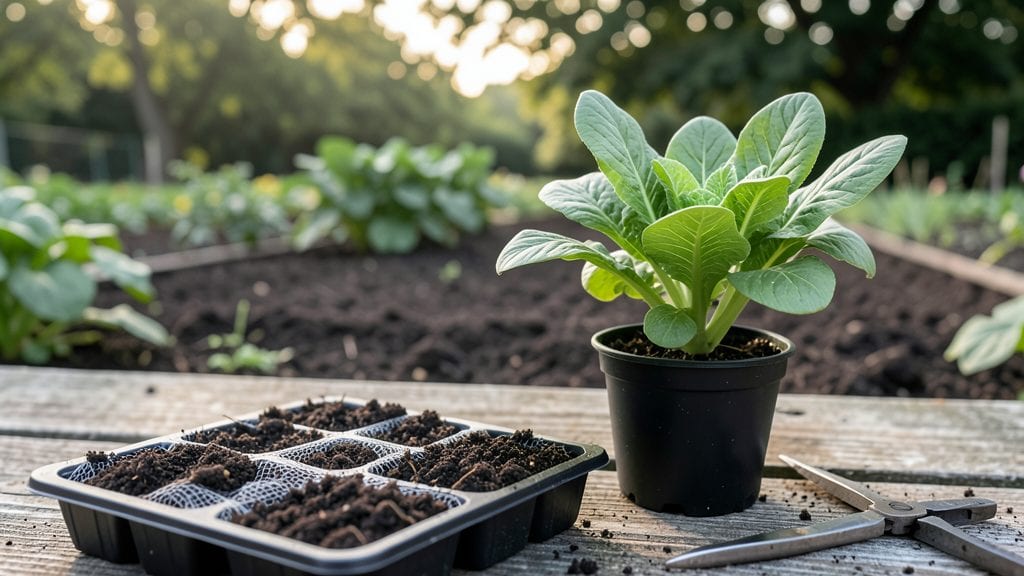
A seed planting schedule 🌱 is your garden’s roadmap to success—skipping the right timing means missing the harvest entirely.
Timing is everything in gardening—plant your seeds too early or too late, and you’ll miss the harvest window entirely. This month-by-month seed planting schedule ensures you maximize your garden’s potential year-round, whether you’re a beginner or a seasoned grower.
In Zone 6a, where frost lingers until mid-April and returns by mid-October, knowing when to start seeds indoors or sow them directly can mean the difference between a bountiful harvest and a disappointing flop.
Below, I’ll break down the best planting times for vegetables, herbs, and flowers—plus how to adjust for your local climate—so you can grow with confidence all season long.
Month-by-month seed planting schedule for optimal growth
A seed planting schedule tailored to your USDA hardiness zone ensures your vegetables, herbs, and flowers thrive. In Zone 6a, where last frost hits around April 15 and first frost arrives October 15, timing is critical.
Planting too early risks frost damage, while late planting shortens the harvest window. Below, I’ll guide you through the best months for cool-season crops (like lettuce and peas) and warm-season crops (like tomatoes and peppers) to maximize your yield.
Your seed planting schedule should align with your local frost dates and the growth requirements of each plant. For example, tomatoes need warm soil (at least 60°F) and won’t tolerate frost, while spinach thrives in cooler temperatures and can even survive light frosts.
By planning ahead, you’ll avoid common pitfalls like bolting greens or stunted tomatoes from cold soil.
| Month | Cool-Season Crops | Warm-Season Crops | Herbs & Flowers | Notes | |||||||||||||
|---|---|---|---|---|---|---|---|---|---|---|---|---|---|---|---|---|---|
| February | Onions, Peas (indoors) | None (too cold) | Calendula, Pansies | Start indoors for early spring | |||||||||||||
| March | Lettuce, Spinach, Carrots | Tomatoes, Peppers (indoors) | Basil, Marigolds | Hardy crops can go in ground | |||||||||||||
| April | Broccoli, Kale, Radishes | Transplant tomatoes, peppers | Dill, Zinnias | Wait until after last frost | |||||||||||||
| May | None (too hot for cool crops) | Cucumbers, Beans, Squash | Borage, Sunflowers | Direct sow after soil warms | |||||||||||||
| June | None (peak heat) | Succession plant beans, lettuce | Basil, Nasturtiums | Use shade cloth for greens | |||||||||||||
| July | None (focus on harvest) | None (peak harvest) | Cosmos, Ageratum | Prepare for fall planting | |||||||||||||
| August |
How to adjust your seed planting schedule by climate ZoneYour climate zone dictates when to plant seeds—cold zones (1-5) need early starts, while warm zones (9-11) can plant year-round. Even temperate zones (6-8) require seasonal tweaks. I’ll show you how to align your seed planting schedule with your local conditions, plus how to stretch growing seasons with simple tools. For example, lettuce thrives in cool Zones 1-5 but bolts in summer heat. Meanwhile, tomatoes in Zones 9-11 can start in February, while Zones 6-8 wait until after last frost. The key? Knowing your last frost date and adjusting for warm-season vs. cool-season crops.
In Zones 1-5, I use cold frames to start spinach in February—even before the snow melts. The clear plastic traps heat, giving seedlings a head start. For Zones 9-11, I skip winter planting entirely and focus on succession planting every 2 weeks to keep the harvest flowing. Extend your growing season with row covers (lightweight fabric) to protect tender plants from late frosts. They also deter pests like cabbage moths. For Zones 6-8, I plant radishes in early spring and again in late summer for a double harvest—just 30 days from seed to table! Pro tip: Use a frost chart from your local extension office to pinpoint exact dates. For example, my Zone 5b has a last frost around May 10, so I wait until then to plant cucumbers outdoors. In Zone 10a, I plant basil in January for a spring harvest. Adjust your seed planting schedule by watching your plants’ cues. If broccoli bolts in heat, it’s time to switch to shade-tolerant greens like kale. With these tweaks, you’ll enjoy homegrown food year-round, no matter your zone! 🌱 |