
Lawn
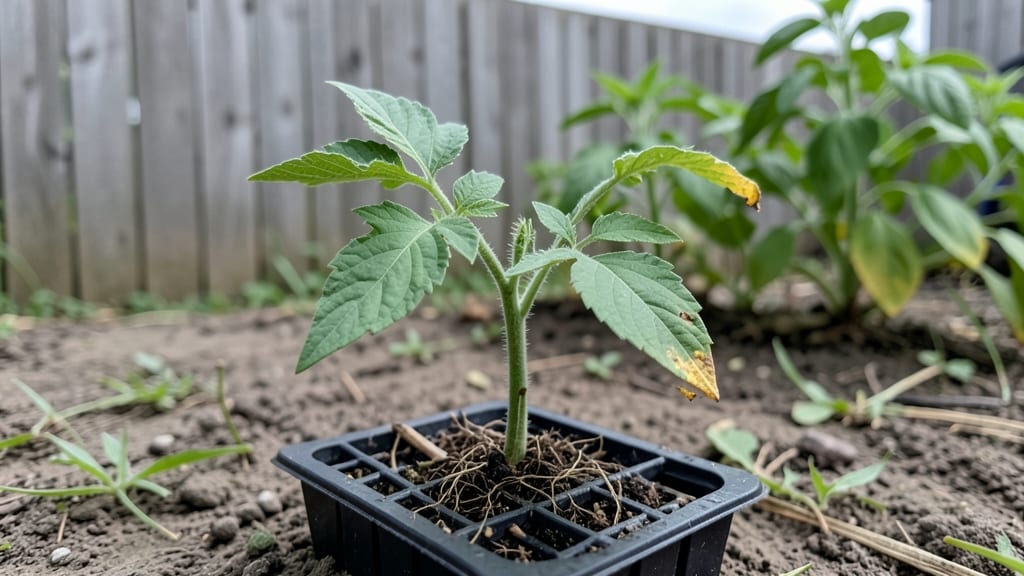
This foundational practice isn't just about dropping seeds into dirt—it's a science that balances moisture, temperature, and soil composition to coax life from tiny embryos. 🌱 The right conditions can turn a simple seed into a thriving plant, while mistakes often lead to wasted time and resources.
I've seen firsthand how even small adjustments, like adjusting planting depth by just ¼ inch, can dramatically improve germination rates for delicate varieties like lettuce or basil.
What makes seed planting particularly fascinating is how it adapts across different climates and plant types. For instance, cold-hardy vegetables like kale thrive when planted early in cool seasons, while heat-loving tomatoes need warm soil to prevent rot.
Understanding these nuances transforms planting from guesswork into a predictable process that yields stronger, healthier plants from the very beginning.
💡 In This Article
- How Seed Germination Works in Plant Growth
- Essential Tools and Techniques for Effective Seed Planting
How seed germination works in plant growth
The biological process of germination begins when a seed absorbs water through its outer coat in a phase called imbibition. This triggers metabolic activity as enzymes activate to break down stored nutrients like starches and proteins into simpler sugars and amino acids.
For example, a bean seed can absorb up to 50% of its dry weight in water within just 24 hours, swelling noticeably as it prepares for growth. The seed's hard outer shell softens slightly, allowing the radicle (embryonic root) to emerge first, anchoring the seedling into the soil.
Once the radicle breaks through, the seed's energy reserves power the growth of the hypocotyl, the stem connecting the root to the seed leaves (cotyledons). This upward push requires precise moisture balance—too little stalls growth, while excess can cause rot.
Temperature plays a critical role too: most garden seeds germinate best between 60-85°F, but cold-hardy varieties like peas thrive at 40-50°F. Oxygen is equally vital, as anaerobic conditions (like waterlogged soil) trigger harmful fermentation processes that kill the embryo.
Seed coatings and treatments accelerate this process by addressing natural dormancy barriers. Scarification (scratching or soaking hard seed coats) mimics natural weathering, while stratification (exposing seeds to cold periods) breaks dormancy in species like apples or maples.
For instance, chilling 1-3 months at 34-41°F can boost germination rates from 10% to 90% in some wildflower seeds. These methods essentially "trick" seeds into thinking they've experienced seasonal changes, signaling it's safe to grow.
What most gardeners overlook is how soil texture affects germination speed. Fine, well-draining loam provides optimal oxygen and water retention, while heavy clay can suffocate emerging roots. I've noticed that seeds planted in sandy soil often germinate faster but require more frequent watering, whereas loam holds moisture longer without compacting.
The key is matching the seed's native habitat conditions—desert-adapted seeds like cacti need gritty mixes, while tropical varieties prefer moisture-retentive blends.
Light exposure also influences germination in some species. Photoblastic seeds (like lettuce) need light to trigger growth, while others (like beans) germinate better in darkness. This is why some gardeners cover seeds with ¼ inch of soil while others leave them exposed.
Understanding these light requirements prevents wasted seeds—lettuce seeds buried too deep may never sprout, while beans planted too shallow can dry out before germinating.
The entire germination process typically takes 3-14 days, depending on the species, with the seedling's first true leaves appearing after the cotyledons. At this stage, the plant begins photosynthesis, marking the transition from relying on seed reserves to independent growth.
This delicate phase is why maintaining consistent moisture and temperature becomes even more critical—just a few degrees below optimal can delay emergence by days or weeks.