
Lawn
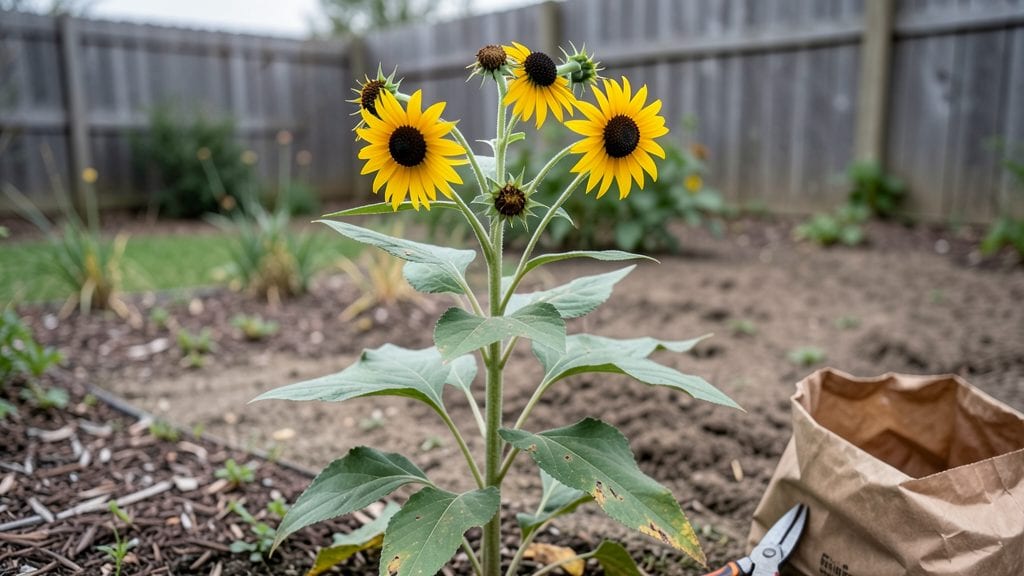
The simple art of rudbeckia seed collection transforms faded stems into a free, vibrant garden upgrade—no cost, no wait, just next year’s sunniest stars. 🌻 I’ve saved seeds for five seasons now, and the difference in my garden is stunning: plants that match my color palette perfectly, exactly the height I want, and the joy of watching them return year after year.
The secret starts with patience—wait until the seed heads turn papery brown and the back of the flower flops open like a tiny umbrella. Grab a pair of scissors or your fingers, snip the dried heads clean, and lay them on a tray lined with paper towels.
No fancy equipment needed, just a dry spot out of direct sunlight where they can finish drying for another week or two.
Once fully dry, the seeds pop out like popcorn when you gently rub the heads between your palms. Store them in an envelope labeled with the variety and date—viable seeds last up to three years if kept cool and dry.
Imagine next summer’s garden bursting with those same cheerful blooms, all grown from seeds you nurtured through winter.
This method works for all rudbeckia varieties, whether you’re growing the towering ‘Goldsturm’ or the compact ‘Indian Summer.’ The best part? You’ll save money, preserve heirloom traits, and gain a head start on spring planting. Ready to turn trash into treasure?
📚 In This Guide
- What you need
- Instructions
- Tips and common mistakes
- Wrapping up and next steps
What you need
- ● Rudbeckia plants – Choose healthy, mature plants with fully dried seed heads (typically late summer to early fall).
- ● Pruning shears or sharp scissors – For cleanly cutting seed heads without damaging the stems.
- ● Paper bags or breathable seed envelopes – Brown paper bags (1-2 per plant) or labeled seed envelopes to prevent moisture buildup.
- ● Permanent marker – To label bags/envelopes with the rudbeckia variety and collection date.
- ○ Glove (optional but recommended) – Protects hands from thorns or rough stems.
- ● Newspaper or cardboard – For drying seed heads indoors if weather is damp.
- ● Small fan or dehumidifier – Speeds up drying in humid climates.
- ● Seed storage container – Airtight jars or containers with silica gel packets for long-term seed viability.
- ● Camera or phone – To document seed head maturity before collection.
Step-by-Step instructions for collecting rudbeckia seeds
Here's how to save those cheerful black-eyed Susan seeds—simple, rewarding, and perfect for next year's garden.
🌱 Step 1: Wait for Seed Heads to Fully Mature
Leave the spent blooms on the plant until their centers turn a deep, papery brown—this means the seeds are fully mature and ready for harvest. Rudbeckia seeds ripen unevenly, so check plants every 3-5 days starting when flowers fade. You'll know they're ready when the seed heads feel dry and brittle to the touch.
Don't rush this step. Green or partially brown centers mean seeds aren't fully developed and won't germinate well. I like to watch for the first frost as a natural cue—if seeds haven't matured by then, I'll cut the heads and finish drying them indoors.
✂️ Step 2: Harvest and Prepare Seed Heads
Use clean, sharp scissors or pruners to snip off the dried seed heads, leaving about 1 inch of stem attached. Cutting too close to the base can damage the plant's energy reserves for next season. Place the harvested heads in a dry, well-ventilated spot—like a mesh bag or paper sack—to finish drying for 1-2 weeks.
Here's the thing—don't use plastic bags. The trapped moisture will cause mold. Instead, I hang my seed heads upside down in a dry, shaded area. This lets air circulate freely and prevents any unwanted moisture buildup.
💧 Step 3: Dry and Store Seeds Properly
Once the seed heads are completely dry and crumbly, rub them gently between your hands or use a clean, dry brush to release the seeds. You'll see tiny, dark seeds that look like tiny acorns. Store them in a labeled envelope or small glass jar with a tight-fitting lid in a cool, dry place—like a pantry or seed vault.
Label your seeds with the variety name and harvest date. I write directly on the envelope with a permanent marker. Rudbeckia seeds stay viable for 2-3 years when stored properly, so there's no rush to plant them right away.
🌿 Step 4: Test Germination (Optional but Recommended)
Before you plant all your saved seeds, do a quick germination test. Place 10 seeds on a damp paper towel in a sealed plastic bag. Keep them in a warm spot (65-75°F) and check daily for sprouts. If 70% or more germinate within 10-14 days, your seeds are ready for planting. If fewer than half sprout, store the rest for another year.
This step saves you from disappointment later. I've had years where seeds didn't store well, and this simple test tells me whether to plant them now or wait. It's a small effort for peace of mind—and next year's garden will thank you.
Tips & tricks for perfect rudbeckia seed collection
These simple strategies will help you save the best quality seeds for next season's garden.
Timing Secret: In Step 1, when checking seed heads every 3-5 days, do it on a dry morning after the dew has evaporated. Moisture can make the seed heads feel deceptively dry when they're not. I always check just before I water other plants—it's a good habit to build.
Harvesting Technique: For Step 2, use a small paper bag to catch the seed heads as you cut them. This prevents accidental seed loss and keeps your workspace clean. I've dropped more seeds than I care to admit when trying to catch them mid-air—trust me, this saves frustration.
Storage Wisdom: When storing your seeds in Step 3, place a small packet of silica gel or a slice of bread in with them. The bread absorbs any lingering moisture, while the silica gel helps maintain dry conditions. I've had seeds last longer using this trick, especially in humid climates.
Germination Test: In Step 4, if you're short on seeds for testing, you can use just 5 seeds instead of 10. While it's less statistically reliable, it still gives you a good indication of viability. I've used this method when dealing with rare varieties where every seed counts.
Pro Tips for Rudbeckia Seed Collection
- These simple strategies will help you save the best quality seeds for next season's garden.
- Timing Secret: In Step 1, when checking seed heads every 3-5 days, do it on a dry morning after the dew has evaporated.
- Harvesting Technique: For Step 2, use a small paper bag to catch the seed heads as you cut them.
Frequently asked questions
Got questions about collecting rudbeckia seeds? You’re not alone! Here are answers to the most common concerns—from timing to troubleshooting—to help you save those golden blooms for next year’s garden.
When is the best time to collect rudbeckia seeds?
Harvest seeds when the flower heads turn brown and dry, usually late summer to early fall (August–October, depending on your climate). Avoid collecting too early—the seeds won’t be fully mature, and they may not germinate well. Look for papery, papery seed heads that crumble easily when touched.
How long do rudbeckia seeds stay viable for storage?
Rudbeckia seeds typically stay viable for 1–2 years if stored properly in a cool, dry place (like a sealed envelope or jar). For best results, label them with the collection date and plant variety. If you’re unsure, test a few seeds—some varieties may still sprout after 3+ years!
Can I collect seeds from store-bought rudbeckia flowers?
Yes, but check the plant tag first! If it’s labeled as a hybrid variety (e.g., ‘Goldsturm’), the seeds may not grow true to the parent plant. For consistent blooms, save seeds from heirloom or open-pollinated rudbeckias. If unsure, ask your local nursery or seed supplier.
Why aren’t my rudbeckia seed heads producing seeds?
Several factors could be at play:
- No pollinators: Rudbeckias rely on bees and butterflies. Try planting near other pollinator-friendly flowers or hand-pollinate with a soft brush.
- Over-fertilizing: Too much nitrogen promotes leafy growth over blooms. Use a low-nitrogen fertilizer or compost sparingly.
- Disease or pests: Fungal issues (like powdery mildew) or aphids can damage flowers. Remove affected heads and treat with neem oil if needed.
How should I store rudbeckia seeds until planting?
Store seeds in a paper envelope or breathable container (not plastic) with a drying agent like silica gel or uncooked rice. Keep them in a cool, dark place (like a fridge or seed vault) until spring. Label each packet with the variety and date to avoid mix-ups!
Still stumped? Drop your question in the comments—we’re happy to help you grow those cheerful blooms year after year!
Wrapping up and next steps
Collecting rudbeckia seeds is a rewarding way to ensure next year’s garden stays vibrant with those cheerful, sun-loving blooms! 🌻 With just a few simple steps—patience, the right timing, and proper drying—you’ll have fresh seeds ready for planting.
Now that you’re equipped with the know-how, why not share your newfound skills with fellow gardeners or expand your collection by experimenting with different rudbeckia varieties?
Ready to grow more beauty? Grab your dried seed heads, label them, and start planning your next planting season—your future garden will thank you! 🌱✨