
Shrubs
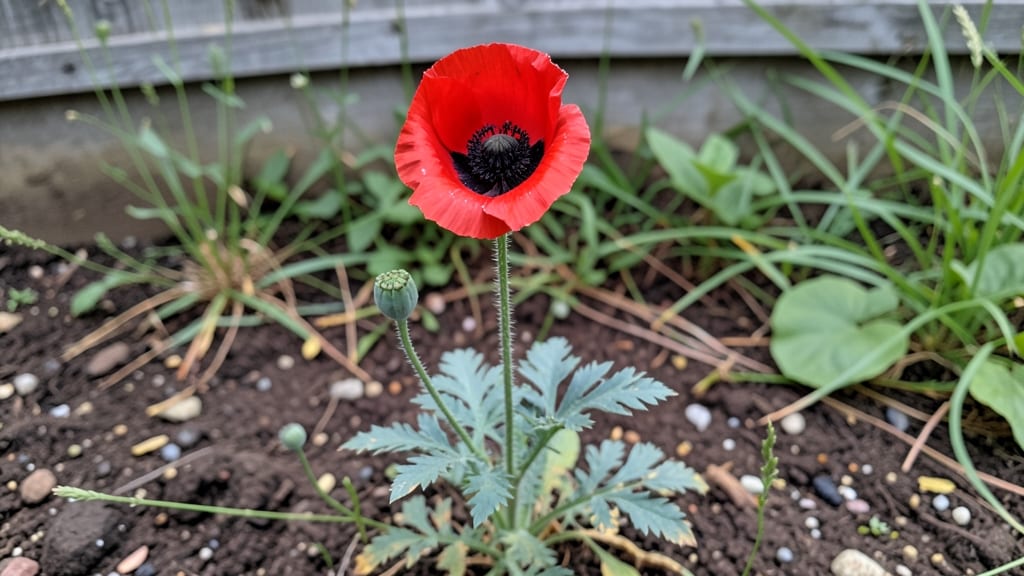
Red poppy seeds planted in early spring will reward you with shockingly lush blooms by late summer. 🌻 I’ve grown them for years, and the secret isn’t just the seeds—it’s the patience they demand. These delicate-looking flowers thrive when you mimic their wild Mediterranean roots.
The key is loose, well-draining soil that mimics their natural habitat—think sandy loam with a sprinkle of compost. Plant them shallow, just barely covering the tiny seeds, and space them 6-12 inches apart.
They need full sun to burst into those fiery red blooms, but surprisingly, they handle drought once established.
By mid-July, you’ll see those iconic cup-shaped flowers nodding in the breeze, each one lasting just a day but producing waves of color for weeks. The deep roots make them drought-tolerant, and their self-seeding habit means more blooms next year with almost no effort.
Perfect for cottage gardens, wildflower meadows, or even container edges—just avoid heavy clay soil. Here’s how to get them started right, from seed to showstopper blooms.
📚 In This Guide
- What you need
- Instructions
- Tips and common mistakes
- Wrapping up and next steps
What you need
- ● Poppy seeds (red variety): 1 packet (approx. 500–1,000 seeds). Choose heirloom or organic seeds for best results.
- ● Well-draining potting mix: 5–10 gallons (preferably a blend for annuals or perennials with perlite/sand).
- ● Garden soil (if planting outdoors): Loamy, slightly sandy soil with a pH of 6.0–7.5. Amend with compost if needed.
- ● Containers or garden bed: Containers: 6–12-inch deep pots (1–2 seeds per pot). Ensure drainage holes are present!
- ● Garden bed: Full sun exposure (6+ hours daily) and space 6–12 inches apart for mature plants.
- ● Watering can or hose with gentle spray nozzle: Poppies hate soggy roots—keep watering light and consistent.
- ○ Fertilizer (optional but helpful): Balanced 10-10-10 or low-nitrogen fertilizer (e.g., 5-10-10) for blooming plants.
- ● Fish emulsion or compost tea for organic options.
- ● Hand trowel or small shovel: For planting seeds or transplanting seedlings.
- ○ Glove (optional): Poppy sap can stain—wear gloves if you’re sensitive!
- ● Plant labels: Mark varieties if growing multiple types.
- ● Pruning shears (for later): To deadhead spent blooms and encourage more flowers.
- ○ Cold frame or indoor grow light (optional): If starting seeds early indoors (4–6 weeks before last frost).
Step-by-Step instructions for growing red poppy seeds
Here’s how to coax those striking red blooms from tiny seeds—simple steps for dramatic results.
🌱 Step 1: Prepare the Soil for Poppy Seed Germination
Poppy seeds need loose, well-draining soil to avoid rot. Break up the 1 gallon of garden soil with your hands until it’s crumbly, then mix in the 1/2 cup of perlite to improve aeration. Poppies hate soggy roots, so this step is critical. Work the perlite evenly into the soil—you’ll see it create tiny air pockets when mixed right.
Smooth the soil into a flat planting bed, about 1/4 inch deep. Lightly tamp it down with the back of a spoon so the surface is firm but not packed. This prevents seeds from sinking too deep, which can delay germination. I like to draw a faint grid in the soil with a stick—it helps me space seeds evenly later.
💧 Step 2: Scatter Seeds and Lightly Cover
Poppy seeds are tiny, so I use a pinch method: hold the packet between my thumb and forefinger, then let a tiny amount sift onto my palm. Sprinkle seeds 1/8 inch apart—they’re so small you’ll barely see them. Don’t worry about perfect spacing; poppies self-thin naturally as they grow.
Cover the seeds with a thin layer of vermiculite (about 1/16 inch thick). This keeps them moist without burying them too deep. Mist the area lightly with water until the vermiculite looks damp but not wet. Overwatering here will smother seeds, so I use a spray bottle for precision. Wait until the soil feels barely moist to the touch before watering again.
☀️ Step 3: Provide Sun and Patience for Germination
Poppy seeds need full sun (6+ hours daily) to germinate, but they’re slow starters—count on 2-3 weeks before you see those first green shoots. Place the tray in the sunniest spot you have, even if it’s a south-facing windowsill or balcony. If your climate is cool, a clear plastic dome (like those for seed trays) will help retain warmth and moisture.
Check daily but don’t water again until the soil feels dry 1/2 inch below the surface. Poppy seeds rot easily if kept too wet. Once sprouts appear, remove the dome immediately—excess humidity invites fungal diseases that can kill seedlings overnight. You’ll spot true leaves (the second set after the initial cotyledons) in about 3 weeks.
🌿 Step 4: Thin Seedlings and Encourage Strong Growth
When seedlings reach 1 inch tall, thin them to 2 inches apart using scissors to snip unwanted plants at soil level. This prevents overcrowding and gives remaining plants room to develop deep roots. Poppies are tough—don’t worry about disturbing roots when thinning. I always leave a few extra just in case, but they’ll self-thin as they grow.
After thinning, water at the base once a week unless rain provides moisture. Poppies are drought-tolerant once established, but young plants need steady water to develop strong stems. You’ll notice healthy plants have deep green leaves and thick stems—anything leggy or pale needs more light. Move them closer to the sun if needed.
⏰ Step 5: Transplant and Watch for Dramatic Blooms
When seedlings are 3-4 inches tall (about 6-8 weeks after sowing), transplant them to their final location 12 inches apart. Poppies have deep taproots, so handle seedlings carefully—gently loosen the soil around roots before placing them in the ground. Water deeply right after transplanting to help roots establish.
Red poppies bloom 8-10 weeks after germination, often in dramatic waves. Deadhead spent blooms (snip stems at the base) to encourage more flowers. These plants are short-lived perennials, so enjoy their bold color while they last—each plant may produce 50+ blooms in a single season. Save seeds from your best plants for next year’s garden!
Tips & tricks for perfect red poppy seed growth
Growing vibrant red poppies from tiny seeds takes patience and a few key tricks to ensure those dramatic blooms appear. Here's what I've learned after years of growing these showstopping flowers.
The Soil Texture Secret: In Step 1, when mixing your 1 gallon of garden soil with 1/2 cup of perlite, aim for soil that resembles "damp sand" when squeezed. Too much perlite can make the soil too dry, while too little defeats the purpose of improving drainage. I like to test by pressing my finger into the soil—it should hold its shape but crumble easily. This texture prevents the delicate poppy roots from sitting in soggy conditions that cause rot.
Seed Spacing Shortcut: For Step 2, when sprinkling those 1/8-inch-apart seeds, think of them like tiny confetti. I use a clean, dry paintbrush to distribute them evenly—this gives you more control than the pinch method for larger planting areas. After covering with vermiculite, give the tray a gentle shake to help seeds settle evenly into the soil without disturbing their placement.
Germination Timing Reality Check: The 2-3 week germination window in Step 3 can feel like an eternity! To track progress, I mark the planting date on the tray with a permanent marker. Poppy seeds often germinate unevenly—some may appear in 10 days while others take the full 3 weeks. Once you see the first sprouts, expect the rest to follow within a week. Remove that plastic dome immediately when sprouts appear to prevent fungal diseases that can wipe out seedlings overnight.
Thinning Without Trauma: When thinning in Step 4, use clean scissors to snip seedlings at soil level rather than pulling them out. This prevents disturbing the roots of nearby plants. I like to thin in stages—first when seedlings reach 1 inch tall, then again at 2 inches apart if needed. The plants you leave will develop stronger stems without competition, leading to those showstopping blooms.
Pro Tips for Poppy Seeds Red
- Growing vibrant red poppies from tiny seeds takes patience and a few key tricks to ensure those dramatic blooms appear.
- The Soil Texture Secret: In Step 1, when mixing your 1 gallon of garden soil with 1/2 cup of perlite, aim for soil that resembles "damp sand" when squeezed.
- Seed Spacing Shortcut: For Step 2, when sprinkling those 1/8-inch-apart seeds, think of them like tiny confetti.
Frequently asked questions
Got questions about growing Poppy Seeds Red? You’re not alone!
Here are some of the most common queries from gardeners just like you—plus quick, actionable answers to keep your red poppies thriving.
When is the best time to plant Poppy Seeds Red?
For spring blooms, sow seeds outdoors in early spring (as soon as the soil is workable, around 40–50°F). If you’re in a hot climate, opt for fall planting (6–8 weeks before your first frost) to enjoy vibrant flowers the following spring. Poppy Seeds Red are cold-hardy and germinate best when soil temps are cool—no need for indoor starts!
How long does it take for red poppy seeds to germinate?
Patience is key! Red poppy seeds typically sprout in 7–21 days, depending on soil moisture and temperature. Keep the soil consistently moist (but not soggy) and place seeds in a sunny spot. If germination takes longer than 3 weeks, try lightly scratching the soil surface to improve contact with moisture.
Why aren’t my red poppy seeds sprouting?
Don’t panic—poppy seeds are fussy! Common culprits include:
- Too much light: Seeds need darkness to germinate. Press them 1/4-inch deep into soil.
- Poor soil contact: Gently press seeds into soil (they’re tiny!) or mix with a little sand.
- Overwatering: Keep soil moist but not waterlogged—poppies hate soggy roots.
- Old seeds: Store-bought seeds lose viability after 1–2 years. Check the packet date!
If all else fails, try stratifying seeds (chill them in the fridge for 2 weeks) to mimic winter conditions.
Can I grow Poppy Seeds Red in containers?
These poppies thrive in containers 6+ inches deep with well-draining soil. Use a mix of potting soil + perlite to prevent root rot. Place pots in full sun (6+ hours daily) and water only when the top inch of soil is dry. Just avoid overcrowding—space seeds 6–12 inches apart for those iconic bold blooms!
What can I plant alongside Poppy Seeds Red for a stunning garden?
Red poppies pair beautifully with complementary colors and textures! Try:
- Blue cornflowers or lavender for a classic cottage garden look.
- Salvia or yarrow for height contrast.
- Grasses (like feather reed) for movement.
- Dwarf shrubs like thyme or rosemary for low-maintenance companions.
Avoid heavy feeders like tomatoes—they’ll compete for nutrients and overshadow your poppies’ drama!
Wrapping up and next steps
Growing poppy seeds red is a rewarding journey that brings vibrant color and resilience to your garden! 🌸 With the right soil, sunlight, and care, these bold blooms will thrive—adding drama and charm to any landscape.
Whether you’re a seasoned gardener or just starting, these tips make the process simple and satisfying.
Ready to plant your passion? Grab your supplies, follow the steps, and watch your garden transform into a stunning red paradise. Start small, stay consistent, and enjoy the beauty of nature’s artistry! 🌱