
How To
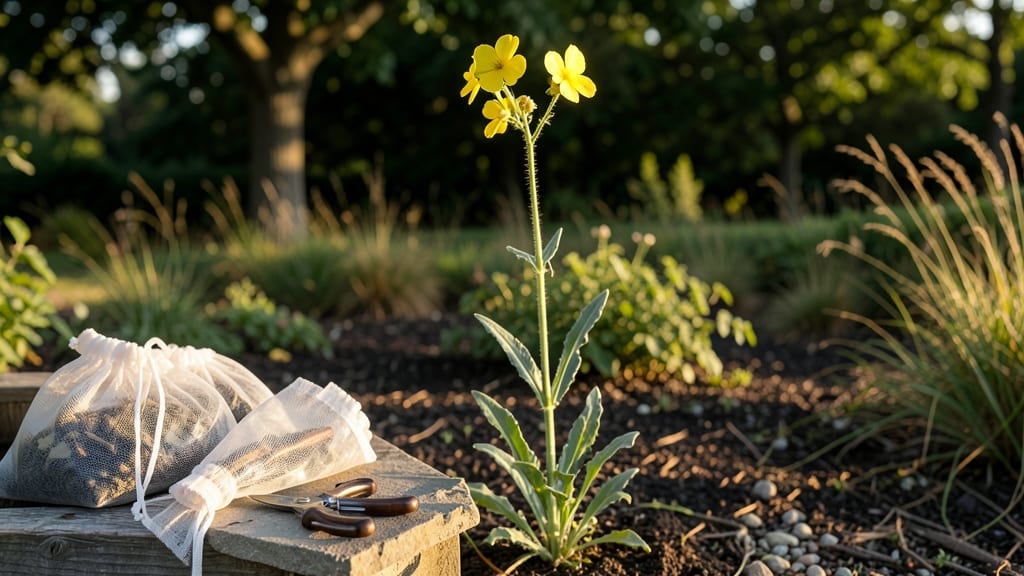
Harvesting evening primrose seeds 🌸 at the right moment means you’ll have next year’s golden blooms ready to grow—without the guesswork.
Evening primrose (Oenothera biennis) produces stunning golden blooms—but its real treasure lies in the seeds, which can be saved to grow next year’s vibrant plants. Harvesting them at the right time ensures high germination rates and healthy new growth, but timing and technique matter.
If you’ve ever watched seed pods dry out too late or scatter before you could collect them, you know how frustrating it can be.
The key is knowing when those pods turn from green to brown and begin to crack open—usually between late summer and early fall—so you can snag them before the seeds scatter.
In this guide, I’ll walk you through the exact steps to harvest, dry, and store evening primrose seeds for planting, plus tips to avoid common mistakes and keep your seeds viable for months.
When to harvest evening primrose seeds for maximum germination
Timing is everything when harvesting evening primrose seeds—collect them too early, and the seeds won’t germinate well; wait too long, and they’ll scatter or spoil. The best window is late summer to early fall, when seed pods mature fully but haven’t yet split open.
This ensures high germination rates and healthy new plants next season.
In northern climates (USDA Zones 3-6), aim for late August to September when days grow shorter and temperatures cool slightly. In southern climates (Zones 7-10), harvest between mid-September and October to avoid premature seed drop from heat or rain.
Always check your local last frost date—harvest before frost hits to preserve seed quality.
Watch for these key visual cues to know when pods are ready: they’ll turn from green to brown and develop a brittle, papery texture. A gentle squeeze should make them crack open slightly, revealing dark, plump seeds inside.
If pods stay green or feel firm, they’re not ready yet.
Here’s a quick reference for pod maturity stages—use this to time your harvest perfectly:
<summary-table>| Stage | Pod Appearance | Seed Readiness | Action |
|---|---|---|---|
| 🌱 Early Development | Green, firm, closed | Seeds not viable | Wait 4-6 weeks |
| 🌿 Mid-Maturity | Green-brown, slightly dry | Seeds developing (light-colored) | Monitor daily |
| 🌳 Optimal Harvest | Dry brown, brittle, cracks easily | Seeds dark and plump | Harvest immediately |
| 🌻 Overripe | Split open, seeds scattered | Seeds lost or spoiled | Too late—missed harvest |
For northern gardeners, prioritize harvesting before the first frost date (typically mid-October in Zone 6). In southern regions, where frost comes later, you may extend harvesting into November, but avoid wet conditions that can cause mold.
Always work on dry, sunny days to let pods fully dry before handling.
Pro tip: Harvest in the morning when pods are dry from overnight air. This reduces humidity risks and makes seeds easier to extract. Use a clean, sharp pair of pruners to snip pods at the stem—never pull them, which can damage the plant.
Place harvested pods in a paper bag (not plastic) to allow airflow while they finish drying indoors.
If you’re in a humid climate, speed up drying by spreading pods on a screen or mesh tray in a well-ventilated, dry area. Avoid direct sunlight, which can overheat seeds. Once fully dry, pods will crumble easily when rubbed between fingers—this confirms they’re ready for storage.
Remember, evening primrose seeds retain viability for 2-3 years if stored properly in a cool, dark place. But for the best germination rates, use seeds within 6 months of harvest. Next, we’ll cover the step-by-step harvesting process to ensure you collect every seed without waste.
🌱
Step-by-step evening primrose seed harvesting process
Harvesting evening primrose seeds requires patience and precision to ensure high germination rates and avoid wasting your hard work. The key is timing—wait until the seed pods turn brown and brittle, but before they crack open naturally and scatter seeds.
This usually happens in late summer to early fall, depending on your climate zone.
Before you begin, gather a few essential tools: clean pruning shears, a paper bag or envelope for collecting seeds, and a dry, well-ventilated space for drying. Avoid using plastic bags, as they can trap moisture and cause mold growth.
Now, let’s dive into the step-by-step process to harvest your seeds safely and efficiently.
How to Harvest Evening Primrose Seeds
-
Step 1: Identify Mature Seed Pods
Look for brown, dry seed pods that are brittle to the touch. Avoid green or firm pods, as they aren’t ready yet. Gently squeeze a pod—if it crumbles easily, it’s time to harvest. -
Step 2: Remove Pods Carefully
Use clean pruning shears to snip the stem just above the pod. Avoid damaging the plant, as evening primrose can be biennial and may regrow from the base next year. -
Step 3: Dry the Pods
Place the harvested pods in a single layer on a paper towel or mesh screen in a dry, shaded area for 1-2 weeks. Avoid direct sunlight, which can overheat and damage the seeds. -
Step 4: Extract the Seeds
Once the pods are completely dry, gently crush them with your fingers or use a small hammer to release the seeds. Place a paper bag underneath to catch them. -
Step 5: Clean and Store
Remove any debris or chaff by sifting the seeds through a fine-mesh sieve. Store them in a paper envelope or glass jar with a silica gel packet to absorb moisture.
Pro Tip: Label your seed packets with the harvest date and variety to track freshness and avoid confusion.
One common mistake is harvesting seeds too early, which results in low germination rates. If you miss the window, the pods may split open naturally, scattering seeds everywhere.
Another pitfall is storing seeds in humid conditions, which can lead to mold or rot. Always prioritize dry, cool storage to preserve viability.
Once your seeds are properly stored, you’re ready to plant them in the spring for next year’s vibrant blooms. Evening primrose seeds can remain viable for 2-3 years if stored correctly, giving you plenty of time to enjoy their beauty year after year.
With these steps, you’ll have a successful harvest every season!
🌱