Trees
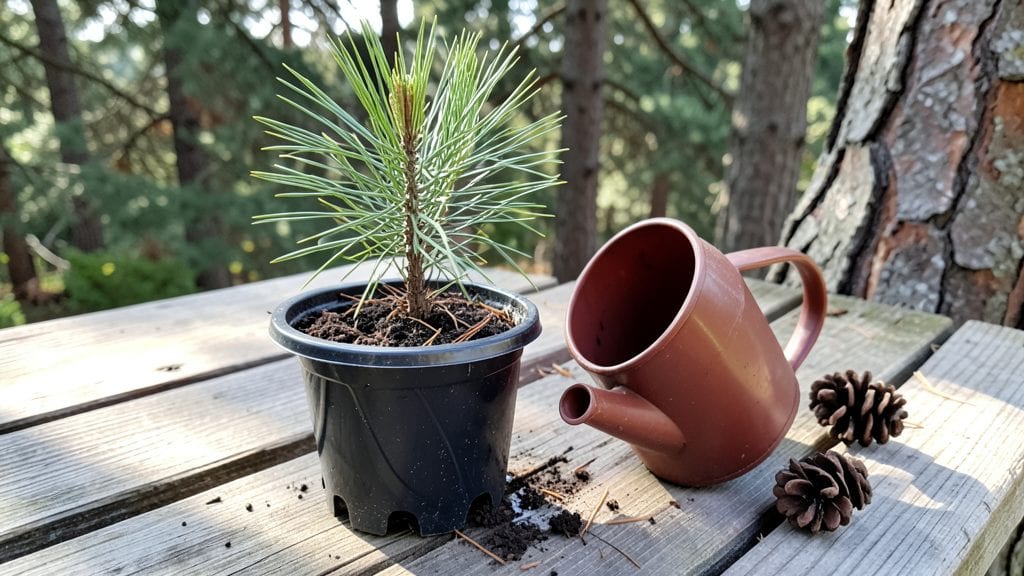
Caring for pine seedlings means turning fragile little needles into towering forest giants—starting with the right soil, water, and light. 🌿 I learned the hard way that most guides skip the early details that make or break your first year.
The difference between a scraggly sapling and a sturdy 2-foot tree comes down to three simple but critical steps.
You’ll need well-draining soil (think sandy loam, not heavy clay), a spot with full sun (at least 6 hours daily), and a watering routine that keeps roots moist but never soggy.
Most beginners overwater, thinking pines love dampness—nothing kills them faster. A simple moisture meter or just sticking your finger an inch deep tells you everything you need to know.
By following these steps, you’ll see your seedlings develop thick, vibrant needles and strong roots within just a few months. The key is consistency: prune only dead branches, avoid transplant shock by hardening off seedlings, and watch for pests like spider mites early.
With the right care, you’ll have a thriving young pine ready for the forest—or your backyard—in no time.
This works for container-grown seedlings or direct-sown pines, whether you’re planting in a nursery bed or preparing for permanent placement. The early months set the stage for decades of growth, so let’s get those little trees off to the best possible start.
📚 In This Guide
- What you need
- Instructions
- Tips and common mistakes
- Wrapping up and next steps
What you need
- ● Pine seedlings: 1–5 (depending on your space; choose disease-resistant varieties like Pinus strobus or Pinus sylvestris)
- ● Well-draining potting mix: 2–5 gallons (look for a blend labeled for conifer seedlings or mix 60% peat moss, 30% perlite, and 10% sand)
- ● Containers: Individual pots (4–6 inches deep) for seedlings
- ● Or a seedling tray with drainage holes (for multiple plants)
- ● Grow lights or sunny window: 6–8 hours of indirect light daily (or a full-spectrum LED grow light for 12–14 hours if indoors)
- ● Watering can or spray bottle: With a fine rose attachment (to avoid disturbing delicate roots)
- ● Fertilizer: Slow-release conifer-specific fertilizer (e.g., 10-10-10 NPK ratio) or a diluted liquid seaweed fertilizer (mix 1 tbsp per gallon of water)
- ○ Humidity dome or plastic wrap: Optional but helpful for maintaining moisture in early stages
- ● Rooting hormone: To boost survival rates when transplanting (gel or powder form)
- ● Mulch: Pine bark fines or shredded leaves (1–2 inches thick) to retain moisture and mimic forest floor conditions
- ● pH test kit: To ensure soil pH is between 5.0–6.5 (pine seedlings prefer slightly acidic soil)
- ● Pruning shears: Small, sharp pair for trimming leggy growth or damaged branches
- ● Outdoor space: Shaded area (50% sun) for hardening off seedlings before full outdoor planting
Step-by-step guide to growing healthy pine seedlings
Here's how to nurture sturdy young pines that'll thrive for years—no guesswork, just proven techniques.
🌱 Step 1: Prepare the Planting Site for Strong Roots
Pines hate soggy feet, so choose a spot with well-draining soil and partial shade for the first year. I dig a hole twice as wide as the seedling's root ball but only as deep as the container it came in—pines resent being buried too deep. Mix the excavated soil with 1 part sand to improve drainage.
Loosen the soil around the edges of the hole with a garden fork to encourage root spread. If your soil is heavy clay, add a handful of compost to the bottom of the hole to give roots a nutrient boost. The goal is soil that crumbles easily when damp but doesn't stick to your fingers.
💧 Step 2: Water Deeply and Protect from Wind
Water the seedling thoroughly right after planting—aim for 1 gallon per 6 inches of trunk diameter. You'll know it's enough when water runs out the bottom of the hole. Mulch around the base with 2-3 inches of pine straw, keeping it 3 inches away from the trunk to prevent rot.
Stake young seedlings if your area gets strong winds—their shallow roots can't anchor well yet. I use 3-foot bamboo stakes tied loosely with soft cloth strips. Check the mulch weekly and add more if it decomposes below 2 inches thick. Over-mulching suffocates roots, while too little lets weeds steal moisture.
☀️ Step 3: Gradually Introduce Sun and Monitor Growth
Pines start in shade but need full sun eventually. After the first month, move seedlings to slightly sunnier spots over 2 weeks to harden them off. Watch for new growth—healthy needles should be deep green and firm, not yellowing or brittle.
Water once weekly during dry spells, but check soil first—pines tolerate drought better than overwatering. If the top 2 inches of soil feel dry, give a deep watering. Yellow needles usually mean too much water, while brown tips signal underwatering or dry air. Mist seedlings occasionally in hot weather to prevent needle burn.
✂️ Step 4: Prune and Protect for Long-Term Health
Remove any broken branches immediately with clean, sharp pruners to prevent disease. I only prune 10-15% of the canopy at a time—never more than that in one season. Cut just outside the branch collar where it meets the trunk to encourage proper healing.
Watch for pests like pine bark beetles—look for tiny holes or sawdust-like frass at the base. If you see damage, treat with neem oil spray in early spring before new growth starts. Healthy seedlings develop 12-18 inches of new growth annually. If growth stalls, check for compacted soil or root-bound conditions.
Tips & tricks for perfect pine seedling care
Here's what I've learned from years of growing strong, healthy pine seedlings—avoid these common mistakes and watch your little trees flourish.
Soil Preparation: The secret to strong roots starts with the planting hole. I always make it twice as wide as the root ball but never deeper than the container—this prevents suffocating the roots. For heavy clay soil, mix in 1 part sand and a handful of compost at the bottom. You'll know it's right when the soil crumbles easily between your fingers without sticking.
Watering Wisdom: Those first few weeks are critical—water deeply right after planting, aiming for 1 gallon per 6 inches of trunk diameter. The key is letting water run out the bottom of the hole; this ensures the roots get properly hydrated. I check soil moisture by sticking my finger 2 inches down—if it's dry, it's time to water again.
Sunlight Transition: Don't rush your seedlings into full sun! After the first month, gradually move them to sunnier spots over 2 weeks. Watch for new growth—healthy needles should be deep green and firm. If you see yellowing, they're getting too much sun too soon. I've learned this the hard way after losing seedlings to sunburn.
Pruning Protection: When pruning, always cut just outside the branch collar where it meets the trunk. This encourages proper healing and prevents disease. I never prune more than 10-15% of the canopy at once—this keeps the tree healthy and prevents shock. For pests, I treat with neem oil in early spring before new growth starts.
Pro Tips for Pine Seedling Care
- Here's what I've learned from years of growing strong, healthy pine seedlings—avoid these common mistakes and watch your little trees flourish.
- Soil Preparation: The secret to strong roots starts with the planting hole.
- Watering Wisdom: Those first few weeks are critical—water deeply right after planting, aiming for 1 gallon per 6 inches of trunk diameter.
Frequently asked questions
Got questions about keeping your pine seedlings happy and healthy?
You’re not alone! Here are answers to the most common concerns—so you can grow confidently from day one.
How often should I water my pine seedling?
Water your pine seedling deeply but infrequently—about once a week (or when the top 1–2 inches of soil feel dry). Overwatering can suffocate roots, while underwatering stresses young plants. Use a moisture meter or stick your finger in the soil to check. Pro tip: Water in the morning to reduce evaporation and fungal risks.
When is the best time to transplant my pine seedling outdoors?
Wait until spring or early fall when temperatures are mild (50–70°F). Avoid transplanting in extreme heat or frost, as pine seedlings are sensitive to shock. Harden them off first by gradually exposing them to outdoor conditions over 1–2 weeks before moving permanently. Timing tip: Late May or early September works best in most U.S. climates.
Why are the needles turning brown or yellow?
Brown or yellow needles usually signal overwatering, underwatering, or pest issues. Check the soil moisture first—pines hate soggy roots. If pests like spider mites or aphids are present, spray with neem oil or insecticidal soap. For fungal issues (like needle cast), improve airflow and avoid wetting foliage. Quick fix: Trim affected needles to encourage new growth.
Can I grow pine seedlings indoors before planting?
Yes! Start seedlings indoors 4–6 weeks before the last frost using a sunny windowsill or grow lights (12–14 hours/day). Use well-draining soil and small pots (3–4 inches). However, transplant outdoors as soon as possible—pines prefer outdoor conditions and can become leggy indoors. Alternative: Use a cold frame for gradual outdoor acclimation.
How do I protect my pine seedling from extreme weather?
Pine seedlings are tough but need shelter from wind, frost, and scorching sun. Use shade cloth (30–50%) for young plants in hot climates, and wrap the base with burlap or mulch in winter. For frost, cover with a lightweight frost blanket at night. Remember: Avoid plastic, which can trap moisture and cause rot.
Wrapping up and next steps
Caring for pine seedlings is a rewarding journey that sets the stage for a thriving forest—one tiny sprout at a time! 🌱 By mastering the three key steps (proper planting, consistent moisture, and sunlight exposure), you’re giving your seedlings the best chance to grow strong and resilient.
Remember, patience and observation are your greatest tools, and soon, you’ll be watching your little pines reach for the sky.
Ready to take the next step? Start small—plant a few seedlings today and track their progress. Whether you’re restoring a landscape or simply nurturing nature, every seedling you care for contributes to a greener future. Happy growing! 🌲✨