
Trees
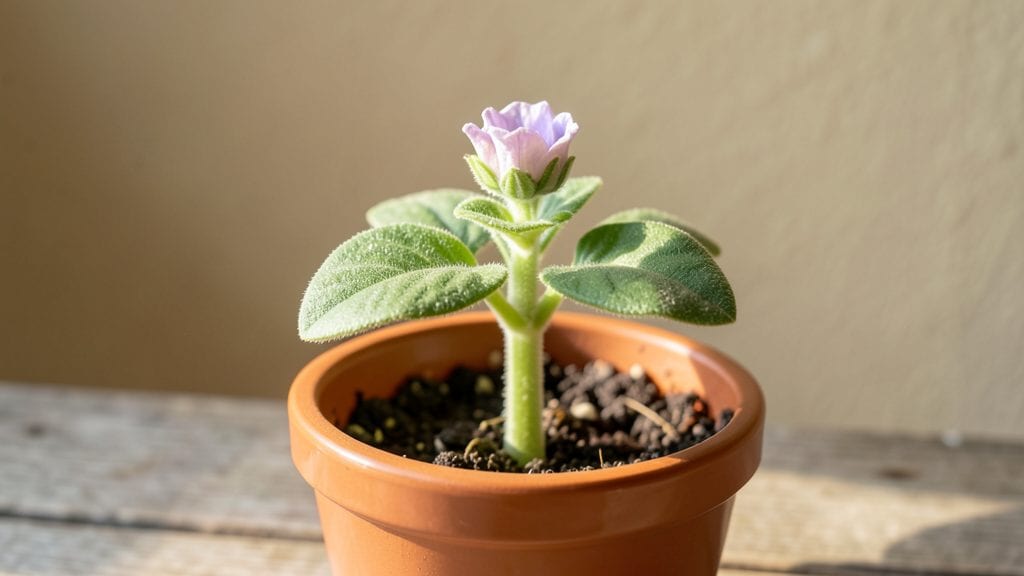
Mastering petunia seedling identification by leaf shape and color saves you from planting the wrong varieties—until you learn these key traits. 🌱 I’ve spent years sorting through seedlings only to find my dream purple petunias turned out to be white.
The first clue is leaf texture: smooth-edged heirlooms versus slightly serrated hybrids, paired with deep green or bluish-green hues that hint at maturity.
Common varieties like 'Wave' petunias have rounded, slightly lobed leaves, while 'Grandiflora' types show broader, darker green foliage. Pay attention to growth patterns too—healthy seedlings grow upright with sturdy stems, while weak or diseased ones flop or develop yellowing spots.
This quick visual check helps you cull misfits before they take up space in your garden.
You’ll spot the difference between hybrid vigor and heirloom charm by examining leaf color intensity and size. A 1-inch leaf with deep veins likely belongs to a disease-resistant hybrid, while paler, smaller leaves may signal an heirloom needing extra care.
This method works for both seed-starting trays and nursery purchases, ensuring you plant exactly what you want.
Once you recognize these traits, you’ll confidently match seedlings to your garden vision—whether that’s cascading pinks for containers or bold reds for borders. The key is patience: wait until seedlings develop their second set of true leaves before making final calls.
This approach cuts down on surprises and boosts your success rate.
Misidentifying Seedlings Explained
Accurately identifying petunia seedlings relies on understanding the biological and environmental factors that influence their growth patterns. When seedlings don’t match expected traits, it’s often due to a mix of natural genetics, care mistakes, or external stressors.
Below, we break down the real reasons behind common identification challenges—so you can troubleshoot with confidence.
Petunias are highly heterozygous, meaning their seeds carry a mix of traits from multiple parent plants. Even from the same packet, seedlings can vary in leaf shape, color intensity, and growth rate due to:
- Hybridization: Many commercial petunias are F1 hybrids (first-generation crosses), bred for specific traits like double blooms or disease resistance. Their offspring may revert to wild-type (original) traits, such as serrated leaves or lighter petals. Pro tip: Check the seed packet for "true-to-type" guarantees—these are more predictable but may lack hybrid vigor.
- Incomplete dominance: Some genes (e.g., those controlling purple vs. white flowers) don’t follow simple inheritance rules. A seedling might inherit a blended trait, like lavender instead of pure pink, making it harder to match catalog descriptions.
- Polygenic inheritance: Traits like leaf shape or plant height are controlled by multiple genes. A single seedling might express a unique combination, leading to unexpected features (e.g., lobed leaves on a variety bred for smooth edges).
Actionable fix: Start with open-pollinated varieties if you want consistent traits across generations, or use cloned cuttings from a known parent plant for uniformity.
Seedlings develop under specific conditions in their first weeks. Deviations can trigger stunted growth, distorted leaves, or color shifts—making identification tricky. Key culprits:
| Factor | Effect on Seedlings | Solution |
|---|---|---|
| 🌡️ Temperature fluctuations | Cooler-than-optimal temps (<60°F/15°C) slow metabolism, leading to smaller, darker leaves with poor color vibrancy. Heat stress (>85°F/29°C) causes yellowing (chlorosis) or puckered leaves. | Use a heat mat (70–75°F/21–24°C) for germination, then transition to consistent daytime temps (65–75°F/18–24°C). |
| ☀️ Light intensity | Low light (<6 hours/day) produces long, leggy seedlings with pale, oversized leaves (etiolation). Too much direct sun (especially young seedlings) causes scorched edges or bleached variegation. | Start with 12–14 hours of indirect light (grow lights or east-facing windows). Gradually introduce filtered sunlight after 2 weeks. |
| 💧 Moisture extremes | Overwatering leads to mushy stems and dark, glossy leaves (signs of fungal issues like Pythium). Underwatering causes crinkled, grayish leaves with stunted growth. | Keep soil evenly moist (not soggy) with a humidity dome or pebble tray. Use bottom-watering to avoid fungal spores from overhead misting. |
Pro tip: If seedlings look "off," compare them to reference photos of the variety at the same growth stage. Stress often distorts traits temporarily—give them 2–3 weeks to recover.
Diseases and pests can mimic genetic traits or alter them entirely, leading to misidentification. Common offenders:
- Fungal infections (e.g., Alternaria, Botrytis):
- Cause dark spots on leaves that resemble variegation or color mutations.
- May trigger premature wilting, making seedlings appear stunted or "weak."
Fix: Use fungicide spray (neem oil or copper-based) and sterilize tools between seedlings.
- Viral diseases (e.g., Tobacco Mosaic Virus):
- Produce mosaic patterns on leaves (light/dark green patches) that can be mistaken for hybrid variegation.
- Stunt growth, leading to smaller-than-expected seedlings.
Fix: Remove infected seedlings immediately and avoid handling plants when wet (viruses spread via sap).
- Insect damage (e.g., aphids, spider mites):
- Aphids curl leaves and excrete sticky honeydew, which can alter leaf shape.
- Spider mites cause yellow stippling, mimicking nutrient deficiencies.
Fix: Isolate seedlings and treat with insecticidal soap or a blast of water to dislodge pests.
💡 Key clue: Check the underside of leaves and new growth first—pests and pathogens often appear there before symptoms show on top.
Petunias are heavy feeders, and imbalances in soil nutrients can drastically alter their appearance. Common issues:
| Deficiency | Visual Clues | Correction |
| ⚫ Nitrogen (N) | Pale yellow leaves (especially older ones), stunted growth, and smaller-than-expected seedlings. | Apply a balanced fertilizer (e.g., 10-10-10) or compost tea. |
| 🟢 Magnesium (Mg) | Interveinal chlorosis (yellowing between veins), making leaves look variegated or bleached. | Add Epsom salt (1 tbsp/gallon of water) every 2 weeks. |
🔴 Phosphorus (P)
Quick Fixes for Seedling ConfusionIf your petunia seedlings are looking more like a mystery than a match, don’t panic—there’s a clear path to clarity! Below are practical solutions tailored to common identification challenges, from leaf shapes to color quirks. Each fix includes prevention tips to keep your seedlings on track for a stunning, stress-free bloom. --- Cause: Seedlings may sprout with distorted, crinkled, or unusually small leaves due to overcrowding, poor lighting, or genetic quirks (like hybrid traits). Fix It: - 🌱 Thin Out Seedlings – Use clean scissors to snip off weaker stems at the base, leaving only the healthiest 2–3 inches of growth. Space survivors 1–2 inches apart in their tray to prevent competition. - 💡 Boost Light Exposure – Move seedlings under grow lights (12–16 hours/day) or to a south-facing window. Weak light causes elongated, pale leaves that mimic disease. - 🌡️ Adjust Humidity – If leaves curl or yellow, reduce moisture by spacing trays further apart or using a small fan on low speed (2–3 hours/day) to improve airflow. Prevention Tip: 💡 Start with fresh, high-quality seeds from reputable suppliers—some hybrids (like ‘Wave’ or ‘Supertunia’) have naturally irregular early leaves. Check the packet for expected traits! --- Cause: Variegated or striped seedlings might lose their expected colors due to nutrient deficiencies (especially nitrogen or magnesium), overwatering, or fungal stress. Fix It: - 🍽️ Feed the Right Way – Switch to a balanced liquid fertilizer (like 10-10-10) diluted to half-strength. For magnesium deficiency (yellow edges), add Epsom salt (1 tsp per gallon of water) every 2 weeks. - 💧 Check Watering Habits – Soggy soil = root rot = weak chlorophyll. Water only when the top inch of soil is dry, and use pots with drainage holes. - 🌿 Test for Fungal Issues – If leaves have gray mold or powdery spots, spray with neem oil solution (1 tsp neem oil + 1 quart water) and isolate affected plants. Prevention Tip: ✨ Hardening off seedlings gradually (5–7 days of outdoor acclimation) prevents shock that can dull colors. Start with 1–2 hours in morning sun, then increase time. --- Cause: Seed packets labeled “mixed colors” or “heirloom blends” can lead to unexpected traits—like purple instead of pink or double blooms instead of singles. Fix It: - 📸 Compare with Reference Photos – Snap a photo of your seedlings and cross-check with grower-provided images (often on seed packets or websites). Pay attention to: - Leaf texture (fuzzy vs. smooth) - Stem color (green vs. reddish) - Early flower buds (some hybrids show color hints in buds!) - 🔬 Use a Magnifying Glass – Examine leaf veins or stem hairs—some varieties (like ‘Mitchell’ series) have unique patterns. - 🌼 Wait for True Colors – If unsure, let 1–2 seedlings bloom before deciding. Petunias often reveal their true colors in 4–6 weeks. Prevention Tip: 🎯 Buy seeds from specialists like Ball Seed, Proven Winners, or Burpee—they offer detailed trait guides. Avoid “budget” seeds from unknown sellers. --- Cause: Aphids, spider mites, or damping-off fungus can distort seedlings, making them look like a different variety. Fix It: - 🐜 Spot and Squash Pests – - Aphids: Blast off with a strong spray of water or dab with soapy water (1 tsp mild soap per quart). - Spider Mites: Wipe leaves with a damp cotton swab dipped in rubbing alcohol (70% isopropyl). - 🍄 Treat Fungal Issues – - Damping-off (black stems): Remove infected seedlings immediately. Sterilize trays with 1 part bleach to 9 parts water, then rinse. - Powdery Mildew: Spray with baking soda mix (1 tsp baking soda + 1 quart water + drop of soap) weekly. - 🌱 Quarantine New Plants – Keep seedlings away from mature plants for 2 weeks to prevent cross-contamination. Prevention Tip: 💡 Use sterilized soil (bake in oven at 200°F for 30 mins) and seedling heat mats (60–70°F) to speed germination and reduce fungal risk. For future reference, create a simple chart with: | Trait | Expected Look | Red Flag | |------------------|----------------------------|----------------------------| | Leaf Shape | Rounded, slightly serrated | Jagged, curled edges | | Color | Deep green with hints | Pale yellow or striped | | Growth Speed | Steady, compact | Leggy, weak stems | 📌 Save this with your seed packets for quick comparisons! Frequently asked questions
1
How can I tell if my petunia seedlings are healthy before they bloom?Look for deep green, glossy leaves with smooth edges and sturdy stems. Healthy seedlings grow upright with 1–2 inches of space between leaves, and their first true leaves should appear within 2–3 weeks of germination. Avoid seedlings with yellowing, curling, or spotted leaves—these often signal disease or poor care.
2
Why do my petunia seedlings look different from the seed packet description?Petunia seedlings often don’t match seed packet images because they’re highly variable—especially hybrids. Check for leaf texture (smooth vs. serrated) and stem color (green vs. reddish) instead of relying on flower color, which may not appear for 4–6 weeks. Some "mixed" packets intentionally include surprises!
3
Can I identify petunia varieties just by looking at the leaves?Yes! Leaf shape and color are key clues. For example, 'Wave' petunias have rounded, slightly lobed leaves, while 'Grandiflora' types show broader, darker green foliage. Heirloom varieties often have smoother edges compared to hybrids. Use a magnifying glass to check vein patterns—some varieties have unique markings.
4
What’s the best way to handle seedlings that don’t match my garden plan?If you’ve got mismatched seedlings, thin them out immediately to avoid overcrowding. Save the healthiest ones for transplanting and either pot up the extras as gifts or compost them if they’re weak. For future planting, choose true-to-type seeds or buy established plants from nurseries to guarantee variety accuracy.
5
How do I know if my petunia seedlings are diseased instead of just slow-growing?Diseased seedlings often show yellowing between veins (magnesium deficiency), black stems (damping-off), or white powdery spots (mildew). Healthy slow-growth is usually evenly pale and stems stay firm. Isolate suspicious seedlings and treat with neem oil or baking soda spray if needed. |