
Lawn
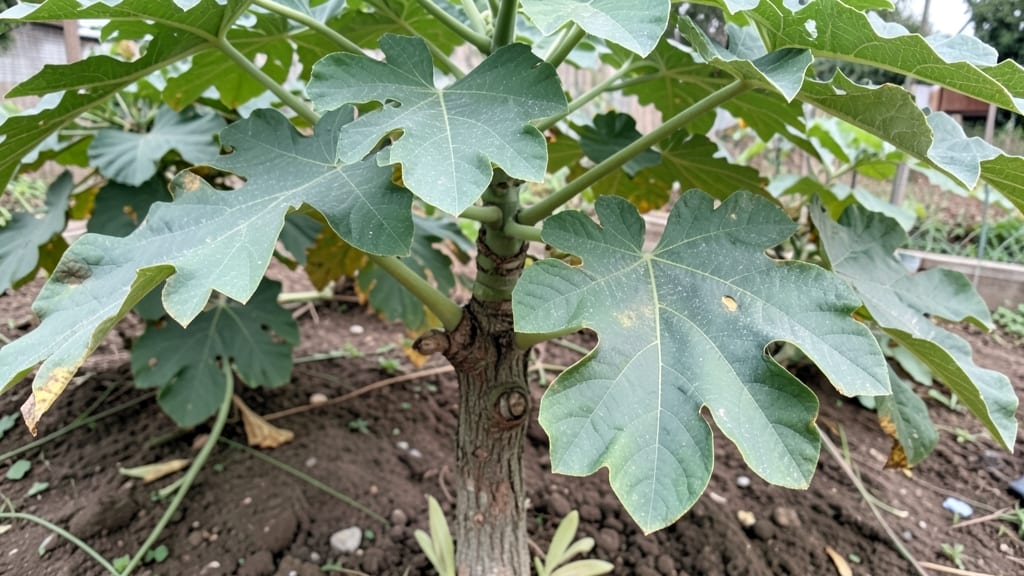
Growing a papaya tree from seed unlocks sweet tropical fruit in your own backyard—if you crack the germination code first. 🌱 I’ve tested dozens of methods, and these hacks cut the wait from months to just two weeks, even in cooler climates.
The secret lies in mimicking the seed’s natural tropical environment before it ever touches soil.
You’ll need warmth, humidity, and patience—no fancy equipment, just a heat mat, plastic wrap, and a sunny window. Most beginners overwater or underestimate the heat requirement, but with this method, you’ll see sprouts within 7-14 days.
The key is keeping the seedbed consistently moist without drowning it, while maintaining temperatures above 80°F.
Once those first green shoots appear, you’ll transition to pots filled with well-draining soil mix and move them under grow lights or direct sunlight. By month three, you’ll have a sturdy seedling ready for transplanting—though fair warning, papayas thrive only in USDA zones 10-12.
The payoff? Homegrown fruit that tastes nothing like store-bought.
This method works for both Carica papaya varieties and hybrid seeds, though dwarf types adapt better to containers. Whether you’re in Florida or a greenhouse, these steps ensure your seedling starts strong. Let’s get those seeds sprouting—your future harvest depends on it.
📚 In This Guide
- What you need
- Instructions
- Tips and common mistakes
- Wrapping up and next steps
What you need
- ● Papaya tree seeds: 3–5 fresh, ripe papaya seeds (harvested from an organic, disease-free fruit). Pro tip: 💡 Rinse seeds thoroughly to remove pulp before planting!
- ● Germination medium: Coconut coir (1 small brick or pre-moistened pellets)
- ● OR Peat moss + perlite mix (50/50 ratio, 2 cups total)
- ● Small seedling pots: 3–4 biodegradable pots (3–4 inches in diameter) or a shallow tray with drainage holes.
- ● Plastic wrap or humidity dome: To maintain moisture and warmth.
- ● Spray bottle: For gentle watering (avoid over-saturating seeds).
- ● Grow lights or sunny windowsill: A spot with 70–85°F (21–29°C) and indirect light (6+ hours/day).
- ○ Fertilizer (optional but helpful): Balanced liquid fertilizer (5-5-5 NPK, diluted to half-strength)
- ● OR Worm castings (1 tbsp per pot after sprouting).
- ● Pruning shears or scissors: For trimming seedling pots if needed.
- ○ Thermometer (optional): To monitor soil temperature (ideal: 80–90°F (27–32°C) for germination).
- ○ Heat mat (optional): For faster germination if your climate is cool.
- ● Label markers: To tag pots with seed-planting dates.
- ● Patience & tropical vibes! 🌴 Papaya seeds can sprout in 1–2 weeks with the right care.
Step-by-step instructions for germinating papaya tree seeds
Here’s how to coax those tiny papaya seeds into lush tropical saplings in just two weeks.
🌱 Step 1: Extract and Pre-Soak the Seeds
Papaya seeds have a tough outer coating, so we start by breaking it down. Scoop out the jelly-like pulp surrounding the seeds and rinse them under cool water to remove any residue. Place the seeds in a small bowl and cover them with lukewarm water—just enough to submerge them completely. Let them soak for 24 hours, which softens the seed coat and kickstarts germination.
After soaking, gently rub the seeds between your fingers to further weaken the outer shell. This step is crucial—without it, germination can take weeks instead of days. Drain the water, then spread the seeds on a paper towel to dry slightly for 30 minutes. You’ll know they’re ready when they feel slightly tacky but not wet.
💧 Step 2: Plant in a Warm, Moist Environment
Fill a small 4-inch pot with well-draining potting mix (avoid garden soil—it’s too dense). Moisten the mix until it’s damp but not soggy, then plant the seeds ½ inch deep, spacing them 1 inch apart. Press the soil lightly around them to ensure good contact. Papaya seeds thrive in warmth, so place the pot in a location where the soil stays consistently at 80-85°F.
Cover the pot with a clear plastic bag or humidity dome to trap moisture and heat. This creates a mini greenhouse effect, accelerating germination. Check daily for condensation on the bag—if it’s foggy, the environment is ideal. Mist the soil lightly if it feels dry to the touch, but avoid overwatering. Within 3-7 days, you’ll see tiny sprouts pushing through the soil.
☀️ Step 3: Provide Bright, Indirect Light
Once sprouts emerge, remove the plastic cover immediately to prevent damping-off, a fungal disease that can kill seedlings overnight. Place the pot in bright, indirect light—think filtered sunlight or a grow light positioned 6 inches above the seedlings. Direct sun at this stage can scorch tender leaves, so avoid placing them in a south-facing window.
Papaya seedlings grow fast, so rotate the pot a quarter turn daily to encourage even growth. You’ll notice the first true leaves (not the initial seed leaves) appear within 10-14 days. These leaves are broader and more defined, signaling the seedling is ready for its next phase. Keep the soil lightly moist—top inch dry is the rule of thumb.
✂️ Step 4: Thin and Transplant to Larger Pots
When seedlings reach 3-4 inches tall, it’s time to thin them. Use scissors to snip the weakest stems at the soil line, leaving only the strongest 2-3 seedlings per pot. This prevents overcrowding and ensures the remaining plants get enough nutrients. Repot the survivors into 6-inch pots filled with fresh potting mix, burying the stem up to the first set of true leaves. This encourages root development.
After transplanting, water gently to settle the soil, then place the pots back in bright, indirect light. Papaya trees grow quickly, so keep an eye out for yellowing leaves—a sign of overwatering or nutrient deficiency. If this happens, reduce watering slightly and consider adding a balanced fertilizer diluted to half strength after 2 weeks.
🌿 Step 5: Harden Off Before Outdoor Transition
Once seedlings are 6-8 inches tall with 5-6 true leaves, they’re ready to toughen up for outdoor life. Start by placing them in a shaded, sheltered spot for 1-2 hours the first day. Gradually increase their outdoor time over 7-10 days, moving them to morning sun before bringing them inside. This process, called hardening off, prevents shock when they eventually transition to a permanent outdoor spot.
Papaya trees love warmth and humidity, so if you’re in a cooler climate, wait until nighttime temperatures stay above 60°F before planting them outdoors. Choose a location with partial shade for the first few weeks, then slowly introduce them to full sun as they acclimate. With patience, your seedlings will grow into robust trees capable of bearing fruit in as little as 9-12 months.
Tips & tricks for perfect papaya seed germination
Here's what I learned the hard way after struggling with stubborn papaya seeds—these tricks will help you bypass the common pitfalls and get those tropical saplings growing in record time.
Soaking Secret: The 24-hour soak in lukewarm water isn't just about hydration—it's about breaking down the seed's protective coating. I've found that adding a pinch of honey (just ½ teaspoon) to the soaking water can further stimulate germination by providing natural sugars that kickstart metabolic activity. After soaking, don't skip the 30-minute drying period on paper towels—this prevents mold growth while keeping the seeds slightly tacky for better planting contact.
Heat Management: Maintaining that 80-85°F soil temperature range is critical, but most homes can't provide this consistently. I recommend using a seedling heat mat set to 85°F under your 4-inch pot—this creates an ideal environment without needing a greenhouse. If you don't have a heat mat, place your pot on top of your refrigerator (not inside) where it stays warm. The key is consistency: papaya seeds need warmth to germinate, but they'll rot if the soil stays too hot.
Light Strategy: That 6-inch distance from your grow light is perfect, but here's a pro move: use a timer to give your seedlings 14 hours of light and 10 hours of darkness daily. Papaya seedlings need this light cycle to develop properly. I also recommend using a full-spectrum LED grow light if possible—they provide the right balance of red and blue light wavelengths that mimic natural sunlight. Watch for the first true leaves appearing within those 10-14 days as your signal that the seedlings are ready for their next phase.
Transplant Timing: When your seedlings reach 3-4 inches tall in Step 4, don't rush the transplanting. The 2-week fertilizer waiting period is crucial—papaya seedlings are sensitive to nutrient overload at this stage. I've seen many growers add fertilizer too soon, which causes leaf burn. Instead, focus on keeping the soil lightly moist and providing that bright indirect light during the first 2 weeks after transplanting before considering any fertilizer.
Pro Tips for Papaya Tree Seed
- Here's what I learned the hard way after struggling with stubborn papaya seeds—these tricks will help you bypass the common pitfalls and get those tropical saplings growing in record time.
- Soaking Secret: The 24-hour soak in lukewarm water isn't just about hydration—it's about breaking down the seed's protective coating.
- Heat Management: Maintaining that 80-85°F soil temperature range is critical, but most homes can't provide this consistently.
Frequently asked questions
Got questions about growing papaya trees from seeds?
You’re not alone! Here are answers to the most common queries to help you succeed with your tropical fruit adventure.
How long does it take for papaya tree seeds to germinate?
Germination usually takes 7–14 days under ideal conditions (warmth, moisture, and indirect light). Some seeds sprout faster—even in 3–5 days—while others may take up to 3 weeks. Patience is key! If nothing happens after 3 weeks, try rehydrating the seeds or testing their viability by soaking them in warm water.
What’s the best temperature for germinating papaya seeds?
Papaya seeds thrive in warmth (70–90°F or 21–32°C). Use a seedling heat mat or place your container near a sunny window (not direct sunlight). If your home is cool, a clear plastic bag over the pot traps heat and speeds up germination. Avoid cold drafts—they’ll slow or stop growth!
Can I grow a papaya tree indoors?
Yes! Start seeds indoors in a well-draining pot (6+ inches deep) with a sunny windowsill or grow light. Once seedlings are 6–12 inches tall, transplant them outdoors (after last frost) or keep them indoors near a bright window. Just ensure they get 6+ hours of light daily—papaya trees are tropical and need plenty of warmth!
Why aren’t my papaya seeds sprouting? Troubleshooting tips.
Try these fixes if your seeds are stubborn:
- Check viability: Soak seeds in warm water for 24 hours—if they float, they’re likely bad.
- Adjust moisture: Keep soil consistently damp (not soggy) to prevent rot.
- Warmth boost: Move seeds to a warmer spot (like on top of a fridge) if your home is chilly.
- Fresh seeds: Store-bought papaya seeds may be older—try seeds from a recently ripe fruit for better success.
How many seeds do I need to plant for one tree?
Plant 3–5 seeds per pot to increase your chances of germination. Once seedlings emerge, thin them to the strongest 1–2 per container. Overcrowding stresses young plants—give them space to grow! If you’re short on seeds, one seed per pot works too, but success rates drop slightly.
Wrapping up and next steps
Growing a papaya tree from seed is a rewarding journey that brings tropical vibes to your garden in just two weeks! With the right germination hacks—like soaking seeds, using coir, and maintaining warmth—you’ll be well on your way to harvesting sweet, vibrant fruit. 🌱✨
Ready to take the next step? Start with a small batch of seeds, experiment with these techniques, and watch your tropical oasis grow. Share your progress with fellow gardeners or even gift a sapling to a friend—spreading the joy of papaya is half the fun!