
Pruning
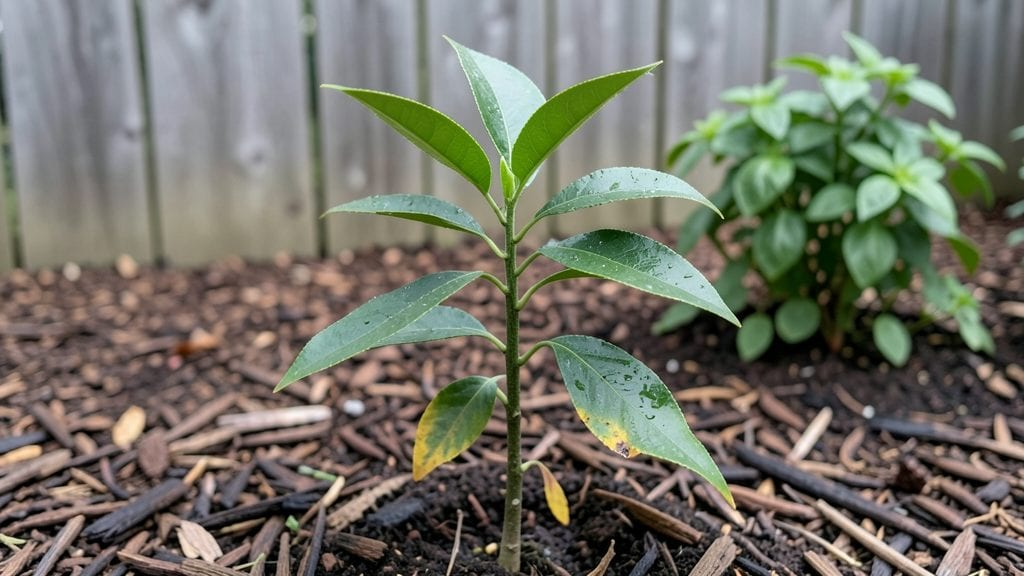
Growing an orange tree seedling into a thriving young plant in just six weeks feels like magic—but it’s all about the right conditions from day one.
I’ve watched these citrus wonders go from fragile sprouts to sturdy little trees by focusing on three things: warm soil, bright light, and a watering routine that keeps roots happy without drowning them. The secret isn’t complicated, but timing and consistency make all the difference.
Start with a small pot (5-7 inches wide) filled with fast-draining potting mix—orange seedlings hate soggy roots. Place it in a spot where it gets at least 6 hours of sunlight daily, and keep the soil lightly moist, like a wrung-out sponge.
Too much water slows growth, but letting it dry out completely stunts those critical first leaves. Within 3-4 weeks, you’ll see new shoots pushing through, signaling strong root development.
By week six, your seedling should have a compact canopy with glossy new leaves and a sturdy stem ready for transplanting. The smell of citrus in the air—even from a tiny plant—is the best reward.
This is when you’ll know you’ve nailed the balance between care and patience, setting the stage for years of fruit.
Works for both indoor growers with bright windows and outdoor gardeners in warm climates—just adjust light exposure as seasons shift. The key is starting strong, and these first six weeks determine everything that comes next.
📚 In This Guide
- What you need
- Instructions
- Tips and common mistakes
- Wrapping up and next steps
What you need
- ● Orange seeds: 3–5 fresh, plump seeds (harvested from organic or pesticide-free oranges for best results).
- ● Seed-starting mix: 2–3 cups of sterile, well-draining potting soil (look for a blend labeled for seedlings or citrus trees).
- ● Small pots or trays: 4–6 biodegradable pots (3–4 inches wide) or a seed-starting tray with drainage holes.
- ● Plastic wrap or humidity dome: To retain moisture during germination (a clear plastic bag or store-bought propagator works).
- ● Spray bottle: For gentle watering (avoid over-saturating the soil).
- ● Grow lights or sunny windowsill: A south-facing window or a 12–16 hour LED grow light to provide 6,000–10,000 lux of light.
- ○ Fertilizer (optional but helpful): A balanced, water-soluble fertilizer (5-5-5 or 10-10-10) diluted to half-strength for seedlings.
- ● Small hand trowel: For planting seeds without disturbing the soil too much.
- ● Toothpicks or chopsticks: To prop open plastic wrap if using it for humidity.
- ○ Thermometer (optional): To monitor soil temperature (ideal germination range: 70–85°F).
- ● Pruning shears (later stage): For shaping and encouraging bushier growth once the seedling sprouts true leaves.
- ● Patience (and a journal!): Track soil moisture, light exposure, and growth progress.
Instructions for growing a strong orange tree seedling in 6 weeks
Here's how to get your citrus seedling off to a flying start with deep roots and lush growth.
Prepare the Growing Container and Soil
Start by filling a 6-inch diameter pot with 2 gallons of well-draining potting mix. I like to mix in 1 cup of perlite to prevent compaction—citrus roots need plenty of oxygen. Press the soil down gently with your fingers until it's firm but not packed tight. The surface should hold its shape when touched but still feel loose enough for roots to penetrate easily.
Place a 1-inch layer of small gravel at the bottom of the pot before adding soil. This creates drainage space and prevents the roots from sitting in soggy soil. Water the mix lightly until it's evenly moist but not dripping. You'll know it's right when a handful of soil forms a loose clump that crumbles when squeezed gently.
Plant the Seed at the Correct Depth
Remove the orange seed from its papery skin and place it ½ inch deep in the center of the pot. Cover it lightly with soil, pressing down just enough to make contact but not burying it too deeply. Citrus seeds need light to germinate, so avoid pressing too hard.
Water the pot thoroughly until moisture seeps from the drainage holes. Place the pot in a warm, bright location—like a south-facing windowsill—where temperatures stay between 70-75°F. Keep the soil consistently moist by checking it daily. You'll see the first signs of germination in 10-14 days when a small sprout appears above the soil.
Provide Warmth and Humidity for Germination
Once the sprout emerges, cover the pot with a clear plastic bag to create a humid microclimate. Secure the bag loosely with a rubber band to allow airflow. This helps the seedling establish itself without drying out. Place the pot under a grow light or near a sunny window for 12-14 hours of light daily.
Watch for condensation inside the bag—this is normal and indicates the humidity level is right. Remove the bag for 10 minutes daily to prevent mold. After 2 weeks, the seedling will develop its first true leaves, signaling it's ready for stronger light and less humidity. This is the moment it starts building its canopy.
Strengthen Roots and Canopy with Proper Care
After the seedling has 4-6 leaves, gradually move it to a sunnier spot or under a bright grow light for 6-8 hours daily. Citrus seedlings need full sun to develop strong stems and vibrant leaves. Water the seedling when the top inch of soil feels dry—this prevents overwatering while keeping roots hydrated.
Fertilize lightly with a balanced citrus fertilizer diluted to half strength every 4 weeks. You'll notice new growth within 2-3 weeks, proving the roots are actively feeding the plant. By 6 weeks, your seedling should have a thick stem and a full canopy of leaves, ready for its next growth phase.
Tips & tricks for growing a strong orange tree seedling
Fast growth starts with the right approach—here are the key tricks to help your seedling develop deep roots and a thriving canopy within just six weeks.
Soil Preparation Matters: In Step 1, when mixing your 2 gallons of well-draining potting soil, I recommend adding an extra ½ cup of perlite to ensure even better aeration. Citrus roots need oxygen to grow strong, and this extra boost prevents compaction that can slow root development. Press the soil gently but firmly—it should hold its shape when touched but still crumble easily when squeezed. This texture gives roots the perfect balance of support and space to spread.
Germination Timing Secret: The 10-14 day germination window in Step 2 can feel like forever, but consistency is key. Maintain temperatures between 70-75°F and keep the soil consistently moist—never soggy. I've found that placing a small thermometer near the pot helps track temperature fluctuations. If your home tends to be cooler, consider using a seedling heat mat underneath the pot to maintain that ideal warmth. This small investment speeds up germination and gives your seedling a stronger start.
Light Management for Fast Growth: After the seedling develops its first true leaves in Step 3, the 12-14 hours of daily light becomes critical. If you're using natural sunlight, rotate the pot every few days so all sides get equal exposure. For indoor grow lights, position them 6-12 inches above the plant and adjust as the seedling grows. The goal is to mimic full sun conditions—this helps develop strong stems and vibrant leaves that can support themselves. I've seen seedlings with proper light grow twice as fast as those with insufficient lighting.
Fertilizer Timing Tip: When you're ready to fertilize in Step 4, timing is everything. Start with that half-strength citrus fertilizer after your seedling has established 4-6 leaves, but don't rush it. The 4-week interval between feedings gives the roots time to develop and absorb nutrients effectively. I've noticed that seedlings fertilized too early often show leaf burn rather than healthy growth. Always water thoroughly before and after fertilizing to prevent salt buildup in the soil.
Pro Tips for Orange Tree Seedling
- Fast growth starts with the right approach—here are the key tricks to help your seedling develop deep roots and a thriving canopy within just six weeks.
- Soil Preparation Matters: In Step 1, when mixing your 2 gallons of well-draining potting soil, I recommend adding an extra ½ cup of perlite to ensure even better aeration.
- Germination Timing Secret: The 10-14 day germination window in Step 2 can feel like forever, but consistency is key.
Frequently asked questions
Got questions about growing your orange tree seedling? You’re not alone! Here are answers to the most common queries—from timing to troubleshooting—to help you nurture a thriving citrus tree with confidence.
How long does it take for an orange tree seedling to grow from seed?
Patience is key! A seedling grown from seed may take 3–5 years to bear fruit, while grafted seedlings (like those from nurseries) can produce oranges in 1–2 years. Focus on strong roots and foliage first—healthy growth speeds up fruiting!
Can I plant my orange tree seedling outdoors immediately after germination?
Not yet! Start indoors for 4–6 weeks to harden off the seedling. Once it has 3–4 true leaves and sturdy stems, transplant it outdoors in spring (after last frost) or early fall. Choose a sunny spot with well-draining soil.
Why are my orange tree seedling’s leaves turning yellow?
Yellow leaves often signal overwatering or nutrient deficiency. Check the soil—it should be slightly moist but not soggy. Feed with a citrus-specific fertilizer every 2–3 months. Yellowing on older leaves? Likely normal aging. New leaves yellowing? Adjust water or light.
Do orange tree seedlings need full sun, or can they tolerate partial shade?
Seedlings thrive in full sun (6+ hours daily), but young plants can handle partial shade (4–6 hours) if acclimating. Avoid deep shade—it weakens growth and delays fruiting. Gradually increase sunlight exposure over 2–3 weeks to prevent shock.
What’s the best alternative if my orange seedling dies?
Don’t give up! Try these fixes:
- Grafting: Buy a grafted citrus tree (faster fruiting, disease-resistant).
- Root cuttings: If the base is alive, propagate from healthy roots.
- New seed: Start over with fresh seeds (or buy a nursery seedling).
Pro tip: Keep a journal of care routines to spot mistakes next time!
Wrapping up and next steps
Growing an orange tree seedling into a thriving plant in just six weeks is an exciting and rewarding challenge! With the right tools, a little patience, and consistent care, you’ll soon enjoy the satisfaction of watching your seedling develop strong roots and lush foliage. 🌱
Now that you’re armed with the knowledge and tips from this guide, it’s time to roll up your sleeves and get planting! Start by selecting your seedling, preparing the ideal growing environment, and following the pruning techniques outlined. Your citrus adventure begins today—happy growing! 🍊✨