
Pruning
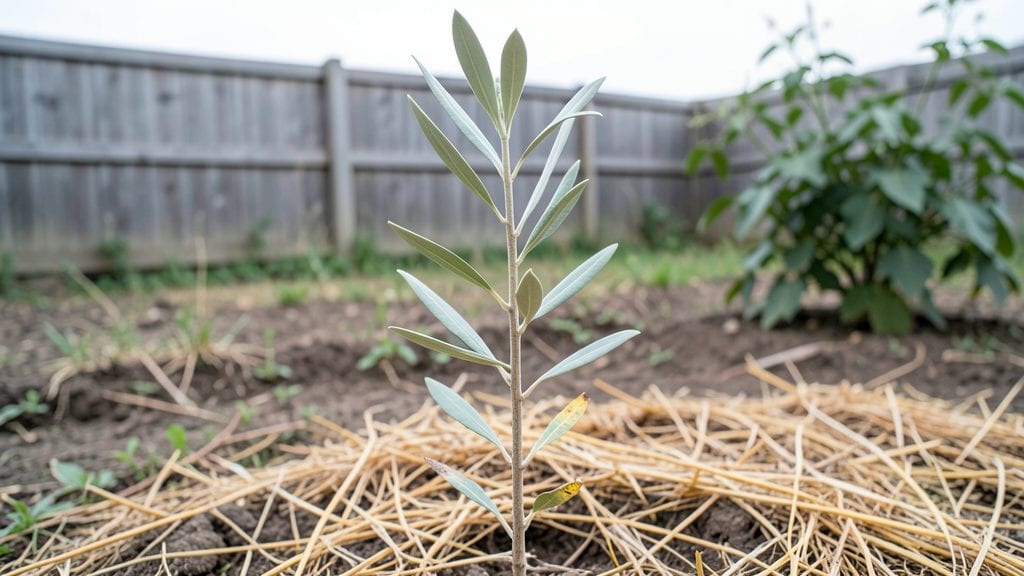
Starting an olive tree from seedling lets you grow a Mediterranean staple right in your yard—if you know the right tricks to break through that stubborn shell. 🌱 I’ve wrestled with olive pits for years, and finally cracked the code for 3-week germination with a simple soak-and-patience method that actually works.
The key isn’t forcing the seed; it’s giving it exactly what it needs to wake up.
You’ll need a few basic supplies: a warm spot (70-80°F), a jar of water, and a pot with well-draining soil. Most people skip the soaking step, but a 24-hour soak softens the pit enough to make germination possible.
Once sprouted, keep the soil consistently moist but never soggy—olive seedlings hate wet feet from day one. The first true leaves will appear in about 3 weeks, signaling you’ve beaten the odds.
What you end up with is a sturdy young tree that’ll reward you with silvery-green foliage and, eventually, fruit if you keep it alive through the first critical year. The real payoff?
Watching those first leaves unfurl into glossy, leathery perfection—proof that patience (and the right soil mix) turns a stubborn pit into a thriving plant. Here’s how to avoid the most common pitfalls along the way.
This method works best in USDA Zones 8-11, but even cooler climates can try it indoors with a grow light. Just be ready for the slow-and-steady growth—olive trees aren’t fast, but they’re worth the wait. Let’s get those seeds sprouting!
📚 In This Guide
- What you need
- Instructions
- Tips and common mistakes
- Wrapping up and next steps
What you need
- ● Olive seeds: 3–5 fresh, pitted olives (preferably from a ripe, healthy tree—avoid processed or cured olives).
- ● Germination medium: Option 1: 1 small container (4–6 inches deep) with moistened sphagnum moss or peat moss.
- ● Option 2: A paper towel (for pre-germination) + a ziplock bag (to retain humidity).
- ● Growing pots: 2–3 small pots (3–4 inches in diameter) with drainage holes and well-draining soil mix (e.g., 50% potting soil + 50% perlite/sand).
- ● Watering can or spray bottle: For gentle hydration (avoid overwatering!).
- ● Plastic wrap or humidity dome: To create a mini greenhouse effect during germination.
- ● Grow lights or sunny windowsill: Olive seedlings thrive in bright, indirect light (6+ hours/day).
- ● Seedling heat mat: Keeps soil warm (70–80°F) to speed up germination.
- ● pH test kit: Olive trees prefer slightly acidic soil (pH 6.0–7.5).
- ● Fertilizer (low-nitrogen): Like fish emulsion or seaweed extract (diluted) once sprouts appear.
- ● Label markers: Track seedling progress—trust us, it’s easy to mix them up!
Step-by-step instructions for germinating olive tree seedlings
Here’s how to get your olive seeds sprouting reliably in just three weeks.
🌱 Step 1: Soak and Stratify the Seeds
Olive seeds have a thick outer shell that slows germination. Start by soaking 4 seeds in warm water for 24 hours—this softens the coating and kickstarts the process. I use a small bowl of water at 70-75°F and let the seeds sit submerged. After 24 hours, check for any seeds that float—they’re likely nonviable and can be discarded.
Next, place the soaked seeds between two damp paper towels and roll them up loosely. Secure with a rubber band and store in a resealable plastic bag. Keep the bag in a warm spot, like on top of the fridge, where the temperature stays around 70-75°F. This warm, moist environment mimics the Mediterranean climate olives thrive in. Check the towels daily and mist with water if they dry out.
💧 Step 2: Prepare the Germination Container
While your seeds are soaking, fill a 6-inch diameter container with a mix of 50% potting soil and 50% perlite. This blend drains well but retains enough moisture to support early root growth. Press the mix down gently so it’s firm but not compacted—you want roots to anchor easily without struggling.
Place the container in a shallow tray to catch any excess water. Olive seedlings are sensitive to overwatering at this stage, so avoid soggy soil. Water lightly until the mix feels evenly moist, but not dripping. The goal is to keep the soil consistently damp, not soaked. Cover the container with a clear plastic dome or wrap it loosely in plastic wrap to retain humidity.
⏰ Step 3: Plant the Germinated Seeds
After 7-10 days, your seeds should begin to sprout—you’ll see a tiny white root emerge first, followed by a small green shoot. Once the root is about ½ inch long, carefully plant each seedling ½ inch deep in the prepared container. Space them 2 inches apart to give roots room to establish without competing.
Gently pat the soil around the base of each seedling to secure it. Avoid pressing too hard, as olive seedlings are delicate. Place the container in a warm, bright spot with indirect light—direct sun can scorch the tender sprouts. Keep the soil moist but not waterlogged, and remove the plastic cover once the seedlings are firmly planted.
☀️ Step 4: Provide Ideal Growing Conditions
Olive seedlings thrive in full sun, but young plants need to acclimate gradually. After 2 weeks, introduce them to 4-6 hours of direct sunlight daily, increasing exposure by 1 hour each week. You’ll notice the leaves darken and thicken as they adapt—this is a sign they’re strengthening.
Water the seedlings when the top inch of soil feels dry. Olive trees are drought-tolerant, but seedlings need consistent moisture. Use room-temperature water to avoid shocking the roots. Fertilizer isn’t necessary at this stage—just focus on light, water, and patience. Within 3 weeks, you should see healthy new growth, signaling your seedlings are ready for the next phase.
🌿 Step 5: Monitor and Troubleshoot
Watch for signs of stress, like yellowing leaves or stunted growth. If leaves yellow, it’s often a sign of overwatering—let the soil dry out slightly before watering again. Leggy seedlings (long, thin stems) mean the light isn’t strong enough—move them closer to a sunny window or under a grow light.
If mold appears on the soil surface, reduce watering and improve airflow by spacing the seedlings slightly wider. Olive seedlings are slow to mature, so consistency is key. With the right care, you’ll have sturdy young trees ready for transplanting in a few months.
Tips & tricks for germinating olive tree seedlings
These little tricks make all the difference when coaxing olive seeds into sturdy seedlings.
Soak Smart: The 24-hour soak at 70-75°F is non-negotiable—it breaks down that tough outer shell and jumpstarts germination. I like to use a small glass jar with a lid to contain any floating seeds. After soaking, give the seeds a quick rinse before moving to the paper towels. This removes any residual soap or debris that might inhibit root growth.
Temperature is Everything: Maintaining that 70-75°F range during both the soaking and stratification phases is crucial. If your kitchen runs cooler, place the bagged seeds on top of the fridge or near a sunny window. A simple thermometer placed near the seeds will help you monitor conditions—olive seeds are fussy about heat!
Planting Precision: When those first roots appear after 7-10 days, patience is key. Wait until you see that ½-inch root before planting—rushing can damage delicate seedlings. Use a pencil to create small planting holes in the soil mix, then gently tap the soil around each seedling to secure it without compacting. Think of it like tucking a baby into bed—firm but gentle.
Light Transition Strategy: The gradual sun acclimation after 2 weeks is where many beginners go wrong. Start with just 4-6 hours of indirect light, then increase by 1 hour weekly. I use a sheer curtain to diffuse harsh sunlight initially. Watch for leaves that darken from light green to a deeper olive hue—that's your signal they're adapting properly.
Pro Tips for Olive Tree Seedling
- These little tricks make all the difference when coaxing olive seeds into sturdy seedlings.
- Soak Smart: The 24-hour soak at 70-75°F is non-negotiable—it breaks down that tough outer shell and jumpstarts germination.
- Temperature is Everything: Maintaining that 70-75°F range during both the soaking and stratification phases is crucial.
Frequently asked questions
Got questions about growing your olive tree seedling?
You’re not alone! Here are some of the most common concerns—and their straightforward solutions—to help you nurture a thriving young tree.
How long does it take for an olive seedling to sprout?
With the right conditions (warmth, moisture, and patience), olive seeds typically sprout in 4–8 weeks. If you’ve followed the germination tricks in this guide, you might see tiny shoots in as little as 3 weeks! If nothing appears after 10 weeks, the seed may not be viable—don’t worry, try another.
Can I plant an olive seedling outdoors too soon?
Olive seedlings are tender when young and can’t handle frost or cold snaps. Wait until after the last frost (when nighttime temps stay above 50°F/10°C) and the soil is warm. Start with a protected spot (like a greenhouse or container) for the first growing season to give it a fighting chance.
Why is my olive seedling wilting or turning yellow?
Wilting or yellowing leaves usually mean overwatering or poor drainage. Olive seedlings hate soggy roots—let the top inch of soil dry out between waterings. If the leaves feel crispy, it’s underwatering. Check for pests (like spider mites) too—neem oil can help if you spot them.
Can I grow an olive tree from a store-bought olive pit?
Just clean, dry, and stratify the pit (30 days in the fridge) before planting. Store-bought olives (especially pitted ones) may have lower germination rates, but it’s worth a try. For faster results, source seeds from organic, unprocessed olives—they’re more likely to sprout.
What’s the best climate for an olive tree seedling?
Olive seedlings thrive in USDA Zones 8–10, where they get full sun (6+ hours/day) and well-draining soil. If you’re in a colder zone, grow it in a container and bring it indoors in winter. They’re drought-tolerant once established but need consistent moisture as seedlings.
Still stuck? Drop your question in the comments—we’re happy to help!
Wrapping up and next steps
Growing an olive tree seedling from scratch is a rewarding journey that blends patience with the joy of nurturing life! 🌱 With the right germination tricks—like proper soil prep, consistent moisture, and a warm, sunny spot—you can coax strong starts in just three weeks.
Remember, every tiny sprout is a promise of future shade, beauty, and even delicious olives!
Ready to take the next step? Start with a single seedling today and watch your green thumb grow—literally! Whether you’re a seasoned gardener or a curious beginner, your olive tree’s future begins with that first sprout of hope. Happy planting! 🌿