
Trees
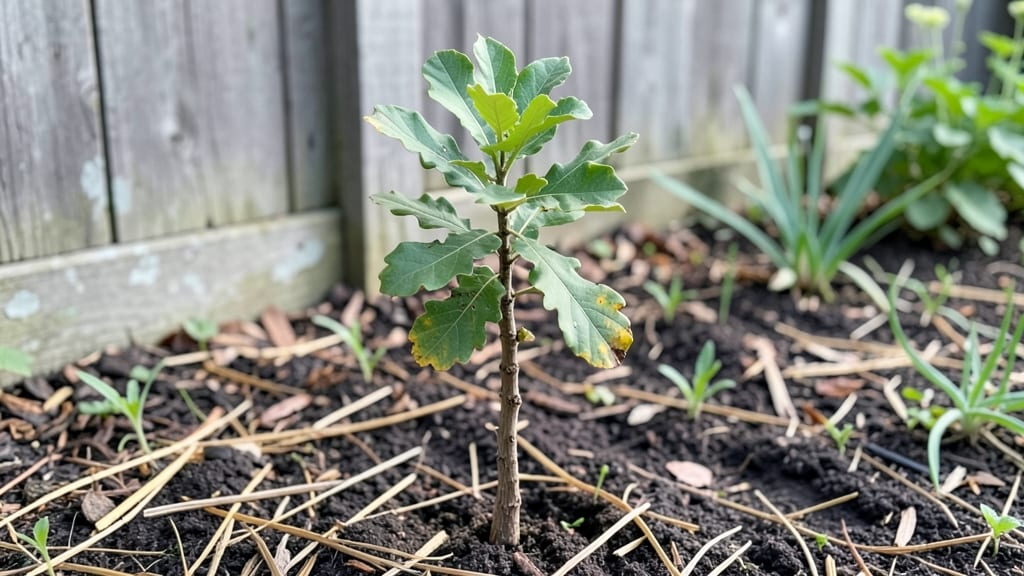
Proper oak seedling care starts with the right soil and a little patience—watch your acorns transform into sturdy saplings by mastering moisture and protection. 🌱 roots from stress. The key isn’t complicated—it’s about mimicking the forest floor where oaks naturally thrive.
You’ll need well-draining soil mixed with compost, a spot with dappled sunlight (not harsh afternoon sun), and a shallow container to prevent root binding. Water lightly every 2-3 days, letting the top inch dry between soakings—overwatering is the fastest way to kill young roots.
Within 6-8 weeks, you’ll see strong taproots developing if you avoid disturbing the soil.
By month three, your seedlings should be 3-5 inches tall with deep green leaves, ready for their first transplant. The secret? Handle them gently—oaks hate root disturbance. A sturdy stake and a bit of mulch will keep them steady as they grow into shade trees that’ll outlive you.
This method works for red, white, or pin oaks—just adjust watering for your climate. Dry summers? Water deeper but less often. Too much rain? Add a layer of gravel for drainage. The goal is stress-free growth, so don’t rush it.
📚 In This Guide
- What you need
- Instructions
- Tips and common mistakes
- Wrapping up and next steps
What you need
- ● Oak seedling: 1 healthy, disease-free seedling (1–3 feet tall, depending on age). Pro tip: Look for seedlings with firm stems and vibrant green leaves! 🌿
- ● Growing container: 1–2 5-gallon pots (or larger) with drainage holes, or
- ● 1 whiskey barrel or large nursery pot (at least 18 inches deep) for faster root growth.
- ● High-quality potting soil: 1–2 bags of well-draining, slightly acidic soil mix (pH 5.0–6.5). Look for blends labeled for acid-loving plants or tree seedlings.
- ● Perlite or vermiculite: 1 small bag (to improve aeration and drainage).
- ● Slow-release fertilizer: 1 bag of balanced, organic fertilizer (e.g., 10-10-10 or 5-5-5) designed for young trees.
- ● Watering can or hose with gentle spray nozzle: 1 (for precise, deep watering).
- ● Mulch: 1 bag of wood chips or pine straw (to retain moisture and regulate soil temp).
- ● Pruning shears: 1 pair (sterilized with rubbing alcohol).
- ● Garden gloves: 1 pair (to protect your hands from soil and sap).
- ● Mycorrhizal fungi: 1 packet (boosts root development—mix into soil before planting!).
- ● Root stimulator: 1 bottle (e.g., seaweed extract or liquid rooting hormone).
- ● Soil moisture meter: 1 (to monitor water levels without guesswork).
- ● Shade cloth: 1 roll (30–50% shade) for seedlings in hot climates.
- ● Tree collar protector: 1–2 (to prevent damage from lawnmowers or string trimmers).
Step-by-Step oak seedling care for rapid root development
Here’s how to nurture young oak seedlings into strong, resilient plants without the common pitfalls.
🌱 Step 1: Prepare the Planting Site for Optimal Root Spread
Choose a location with partial shade—oaks tolerate morning sun but need afternoon relief from intense heat, especially in their first year. Clear the area of weeds and loosen the top 6 inches of soil with a garden fork. This breaks up compacted layers so roots can penetrate easily.
Oak seedlings thrive in well-draining soil with a slightly acidic pH (6.0-7.0). Mix in 2-3 inches of compost into the top layer to improve fertility and structure. Avoid heavy clay or sandy soil unless amended—roots struggle in both extremes. Test the soil moisture by squeezing a handful; it should hold together but not feel soggy.
💧 Step 2: Water Deeply and Consistently to Encourage Deep Roots
Water the seedling deeply once a week (or more in hot weather) to encourage roots to grow downward. Use a slow watering can or soaker hose to deliver 1-2 gallons of water per plant at the base, avoiding the leaves. You’ll know it’s enough when water seeps 6 inches into the soil.
Don’t let the soil dry out completely between waterings—oaks hate drought stress, but they also despise soggy roots. After watering, check the soil 1 inch below the surface; it should feel damp but not wet. Mulch with 2-3 inches of wood chips around the base (but not touching the trunk) to retain moisture and regulate temperature.
☀️ Step 3: Monitor Light and Protect from Wind Damage
Young oaks need bright, indirect light to develop strong stems. If your seedlings grow leggy or pale, they’re not getting enough light. Gradually introduce them to more sunlight over 2-3 weeks to avoid sunburn. A lightweight shade cloth (30-50%) helps in harsh afternoons.
Oaks have shallow root systems early on, so they’re vulnerable to wind. If your seedlings bend or lean, stake them with 2-3 stakes per plant, tied loosely with soft fabric strips. Check stakes monthly—they should hold the seedling upright without restricting growth. Prune any broken branches immediately to prevent disease entry.
✂️ Step 4: Prune Strategically to Build a Strong Structure
Wait until the seedling is 2-3 feet tall before pruning—this ensures it has enough energy stored in its roots. Remove only dead, diseased, or crossing branches using clean, sharp pruners. Cut just above a bud or branch collar to promote healing. Never prune more than 20% of the foliage in one session.
Watch for sucker growth at the base—these compete with the main trunk for nutrients. Snip them off at the ground level as soon as they appear. Healthy oaks develop a single strong leader (main upward-growing branch). If multiple leaders emerge, prune all but the strongest to avoid a weak, forked structure.
⏰ Step 5: Transition to Independent Growth by Year Two
By the second year, your oak should be ready to handle full sun and less frequent watering. Reduce watering to every 10-14 days unless the soil is extremely dry. Dig around the base to check—if the soil clings to your fingers, it’s moist enough. If it crumbles, water deeply again.
Fertilize lightly in early spring with a balanced 10-10-10 formula (just ½ teaspoon per plant). Over-fertilizing causes weak, fast growth that’s prone to breakage. Mulch again in late fall with 2 inches of fresh wood chips to protect roots through winter. With consistent care, your oak will develop a strong taproot system within 3-4 years.
Tips & tricks for perfect oak seedling care
Real talk: Fast root growth isn't about luck—it's about the little details that make all the difference. Here's what I've learned from years of nurturing oak seedlings into strong, resilient trees.
Soil Preparation is Everything: In Step 1, when you're loosening that top 6 inches of soil, don't just scratch the surface—work the fork all the way down to break up any compacted layers. I like to add a handful of coarse sand to the compost mix if my soil tends to be heavy clay. This creates those tiny air pockets that roots absolutely love for oxygen flow. The goal is to mimic the natural forest floor where oak seedlings thrive.
Watering Wisdom: That once-a-week deep watering in Step 2 is your secret weapon. I've found using a moisture meter at the 6-inch depth mark gives you a more precise read than the finger test. If you're in hotter climates, consider watering twice a week instead—just make sure that water penetrates all the way down. The key is to encourage those roots to grow deep, not just spread wide near the surface where they'll dry out.
Light Transition Strategy: When you're gradually increasing sunlight in Step 3, think of it like sunbathing—you don't go from zero to full sun in one day! I start with just 2 hours of morning sun for the first week, then add 1-2 hours each subsequent week. For seedlings in containers, rotating them weekly ensures even growth all around—no lopsided trees here! And that shade cloth? I've used it to save seedlings from afternoon sunburn more times than I can count.
Pruning Like a Pro: Waiting until that 2-3 foot height in Step 4 pays off big time. I always carry a small pair of clean pruners with me when checking seedlings—removing those suckers as soon as they appear prevents them from sapping energy from your main trunk. Pro tip: If you do have to prune more than 20% of foliage in one session, do it in stages over two weeks to minimize stress on the plant.
Pro Tips for Oak Seedling Care
- Real talk: Fast root growth isn't about luck—it's about the little details that make all the difference.
- Soil Preparation is Everything: In Step 1, when you're loosening that top 6 inches of soil, don't just scratch the surface—work the fork all the way down to break up any compacted layers.
- Watering Wisdom: That once-a-week deep watering in Step 2 is your secret weapon.
Frequently asked questions
Got questions about nurturing your oak seedling?
You’re not alone! Here are answers to the most common queries to help you grow a sturdy, thriving tree with confidence.
How often should I water my oak seedling?
Water your oak seedling deeply but infrequently—about once a week (or more in extreme heat or dry soil). Overwatering suffocates roots, while underwatering stresses the tree. Check soil moisture 2–3 inches down; if it’s dry, it’s time to water. Pro tip: Use a moisture meter for precision!
How long does it take for oak seedlings to establish roots?
Root establishment varies by species, but most oak seedlings take 1–3 years to develop a strong root system. In ideal conditions (well-draining soil, consistent moisture, and protection from wind), you’ll see faster growth. Patience pays off—deep roots mean a resilient tree for decades!
Can I transplant an oak seedling if it’s already planted?
Transplanting oak seedlings is risky but possible if done carefully. The best time is early spring or fall, when the tree is dormant. Dig a hole twice as wide as the root ball, water thoroughly, and avoid disturbing roots. Mulch heavily afterward to reduce stress. Warning: Large oaks rarely survive transplanting—plan ahead!
What should I do if my oak seedling has pests or diseases?
Common issues include aphids, borers, or fungal spots. For pests, spray with neem oil or insecticidal soap; for fungi, remove affected leaves and improve airflow. Prevention tip: Keep soil moist (not soggy), prune for airflow, and avoid over-fertilizing. If symptoms persist, consult a local arborist.
Is it better to grow oak seedlings from acorns or buy nursery-grown ones?
Nursery-grown seedlings are faster and more reliable—they’re disease-resistant, genetically stable, and already rooted. Growing from acorns is rewarding but time-consuming (2+ years to maturity) and less predictable. If you’re patient and want a native tree, acorns work! For most, buying a healthy seedling saves hassle.
Wrapping up and next steps
Caring for oak seedlings is all about patience, consistency, and the right conditions—and you’ve got this! 🌱 By providing well-draining soil, proper hydration, and a stress-free environment, you’re giving your young oak the best start for strong, rapid root growth.
Remember, even small steps like mulching and monitoring moisture levels make a huge difference over time.
Now that you’re armed with the know-how, why not plant your first seedling this weekend? Start small, observe, and enjoy the rewarding journey of watching your oak thrive. Happy growing! 🌳