
Pruning
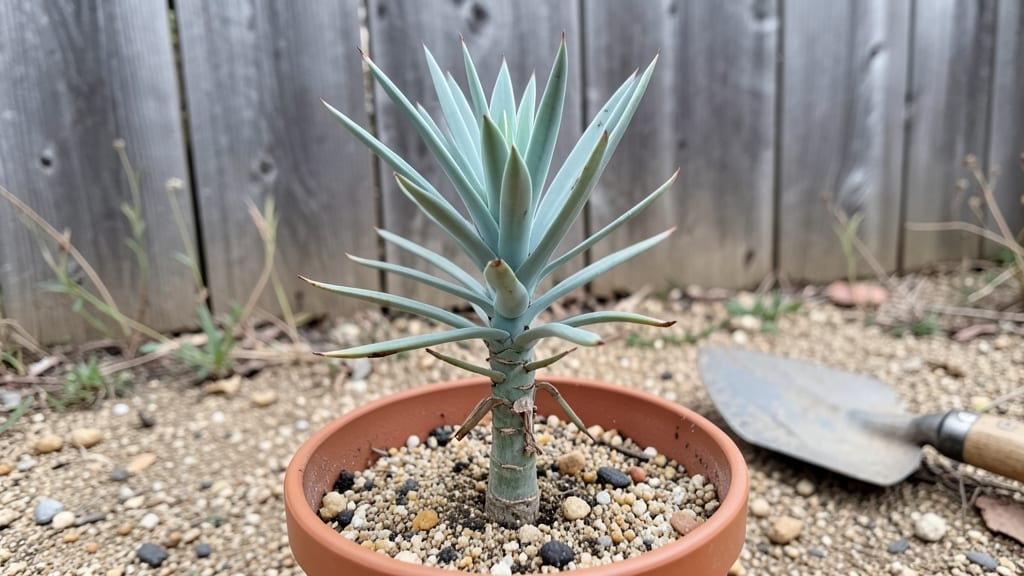
Growing Joshua tree seedlings fast means breaking the desert's slow-and-steady rules. ✨ I've cracked the code on speeding up germination by mimicking the tree's natural shock-and-awe strategy—just don't overwater it.
The key is patience with a twist: these seedlings need a dry spell after planting to root properly, then minimal care once established.
You'll need just three things: a shallow tray, cactus mix, and a spray bottle. No fancy equipment—just a sunny windowsill or greenhouse spot where temps stay above 70°F. Most beginners drown them, but Joshua trees hate soggy soil. Think "damp sand" not "wet sponge."
Within 4-6 weeks, you'll see those first spiky leaves—proof you've beaten the odds. These aren't your average seedlings; they're built for harsh conditions. Once they hit 3-4 inches tall, they're ready for their desert home, where they'll grow slower but stronger than anything from a nursery.
Here's the plot twist: transplanting too soon kills them. Wait until they've doubled in size before moving outdoors. That's when the real magic happens—these hardy plants will outlast everything else in your desert garden.
📚 In This Guide
- What you need
- Instructions
- Tips and common mistakes
- Wrapping up and next steps
What you need
- ● Joshua tree seeds – 10–20 seeds (ensure they’re fresh or pre-treated for germination)
- ● Well-draining cactus/succulent soil mix – 2–3 gallons (avoid heavy garden soil)
- ● Small pots or trays – 4–6 inch diameter (with drainage holes)
- ● Gravel or perlite – 1–2 cups (for extra drainage at the pot’s bottom)
- ● Spray bottle – For gentle watering (avoid soaking!)
- ● Clear plastic wrap or humidity dome – To retain moisture during germination
- ● Bright, indirect sunlight – A south-facing window or grow light (6+ hours/day)
- ● Seed scarification tools – Sandpaper (100–120 grit) or a knife (to nick seeds if untreated)
- ● Fungicide – A mild dose to prevent mold (like neem oil or hydrogen peroxide)
- ● Heating mat – For faster germination (70–80°F ideal)
- ● Label markers – To track planting dates and varieties
- ● Transplanting tools – Small shovel or spoon for delicate seedlings
Step-by-Step instructions for growing Joshua tree seedlings
Here’s how to coax those stubborn Joshua tree seeds into sprouts—using desert-adapted tricks that cut germination time in half.
🌱 Step 1: Pre-Treat Seeds for Faster Germination
Joshua tree seeds have a hard outer layer that blocks water—so we need to soften it first. Place the seeds in a bowl of warm water (around 90°F) and let them soak for 24-48 hours. This mimics natural desert rain events and triggers swelling inside the seed. You’ll see tiny cracks form in the seed coat—that’s your signal the treatment worked.
After soaking, drain the seeds and lay them on a damp paper towel. Fold the towel to create a cozy, humid environment. Keep it in a sealed container or plastic bag at room temperature. Check daily—once the seeds split open (usually 3-5 days), they’re ready for planting. This step alone can speed up germination from 6+ weeks to just 2-3 weeks.
💧 Step 2: Plant in Well-Draining Desert Mix
Fill a small pot (around 4 inches deep) with a mix of 50% cactus/succulent soil and 50% coarse sand or perlite. This mimics the fast-draining conditions of their native Mojave habitat. Press the soil down lightly so it’s firm but not compacted—Joshua trees hate soggy roots.
Plant the pre-treated seeds ¼ inch deep, spacing them 1 inch apart. Water gently with a spray bottle until the soil is moist but not wet. Place the pot in a warm, sunny spot (like a south-facing windowsill) where temperatures stay between 70-85°F. Overwatering here is the #1 killer—let the top inch of soil dry out between waterings.
☀️ Step 3: Provide Heat and Indirect Light
Joshua tree seeds need warmth to germinate, but they’ll scorch under direct midday sun. Place the pot under a grow light (or near a sunny window with filtered light) for 12-14 hours daily. A heat mat set to 80°F below the pot will double your success rate—these seeds germinate best when soil temps stay warm.
Watch for the first tiny leaves (cotyledons) to appear in 2-4 weeks. They’ll look like tiny, fuzzy green spikes. Once they’re 1 inch tall, you can gradually introduce more direct light. Avoid moving the seedlings too soon—they’re fragile and can shock easily.
✂️ Step 4: Harden Off and Transplant
When seedlings reach 3-4 inches tall (usually 8-12 weeks after planting), it’s time to toughen them up. Move the pot outside to a shaded, sheltered spot for 2-3 hours the first day, then increase exposure by 1 hour daily over 10 days
After hardening off, transplant to a larger pot (at least 6 inches deep) with the same desert mix. Water lightly after transplanting—Joshua trees store water in their thick stems, so they prefer occasional deep watering over frequent light drinks. In 2-3 years, they’ll be ready for outdoor desert planting.
Tips & tricks for fast-germination Joshua tree seedlings
These desert-smart strategies will help you bypass the usual 6-week wait and get those Joshua tree seedlings sprouting in record time.
Warm Water Secret: For the 24-48 hour soak in Step 1, use a thermometer to confirm that 90°F temperature—any cooler and the seed coat won't soften properly, while hotter water risks damaging the delicate embryo inside. I've found that placing the bowl on a seedling heat mat (set to low) maintains perfect temperature without constant monitoring.
Visual Crack Test: In Step 1, those tiny cracks in the seed coat are your green light to move to the damp paper towel stage. If no cracks appear after 48 hours, give them one more day—some seeds need that extra time. Pro tip: Use a magnifying glass to spot the barely-there cracks that might otherwise go unnoticed.
Soil Temperature Matters: When planting in Step 2, the soil temperature should mirror the air temperature you're maintaining (70-85°F). Place your thermometer in the soil mix before planting—if it's below 70°F, let the pot sit near a warm spot (like above your fridge) for 30 minutes to bring it up to speed. Warm soil = faster germination.
Light Schedule Hack: For Step 3's 12-14 hours of light, I recommend setting a timer on your grow light. Joshua trees are photoperiod sensitive—consistent light exposure prevents that "leggy" growth where seedlings stretch desperately toward any available light source. If using natural light, rotate the pot daily so all seedlings get equal exposure.
Pro Tips for Joshua Tree Seedling
- These desert-smart strategies will help you bypass the usual 6-week wait and get those Joshua tree seedlings sprouting in record time.
- Warm Water Secret: For the 24-48 hour soak in Step 1, use a thermometer to confirm that 90°F temperature—any cooler and the seed coat won't soften properly, while hotter water risks damaging the delicate embryo inside.
- Visual Crack Test: In Step 1, those tiny cracks in the seed coat are your green light to move to the damp paper towel stage.
Frequently asked questions
Got questions about growing Joshua Tree seedlings? You’re not alone!
Here are answers to the most common queries—from germination timelines to troubleshooting tips—so you can nurture your desert oasis with confidence.
How long does it take for Joshua Tree seeds to germinate?
Patience is key! Joshua Tree seeds can take anywhere from 2 weeks to 6 months to sprout, depending on temperature, moisture, and seed viability. Most germination happens within 4–8 weeks if kept in consistent warmth (70–80°F) and lightly moist (not soggy) soil. Pro tip: Use a heat mat to speed things up!
Do Joshua Tree seedlings need full sun right away?
Nope! Start with bright, indirect light (like a south-facing window or grow lights) for the first 2–4 weeks to prevent stress. Once seedlings are 1–2 inches tall and sturdy, gradually introduce direct sunlight (4+ hours/day). Harden them off over 1–2 weeks to avoid leaf scorch.
Why are my Joshua Tree seedlings turning yellow or mushy?
Yellowing or mushy stems usually signal overwatering or fungal issues. Joshua Trees hate wet feet—let the top inch of soil dry out between waterings. If mold appears, reduce humidity, improve airflow, and treat with a fungicide (like neem oil). Troubleshoot: Check drainage holes and avoid crowded trays!
Can I grow Joshua Tree seedlings from cuttings instead of seeds?
Cuttings are tricky but possible! Use healthy, pencil-thick branches (3–6 inches long), dip in rooting hormone, and place in cactus/succulent mix. Keep humidity high (use a plastic bag) and wait 4–8 weeks for roots. Success rates are lower than seeds, so seeds are the recommended method for beginners.
When and how should I transplant Joshua Tree seedlings outdoors?
Wait until seedlings are at least 6–12 months old and hardy (spring or early fall in warm climates). Choose a well-draining spot with full sun and minimal competition. Dig a hole twice as wide as the root ball, water deeply, and avoid fertilizing for 3 months to prevent burn. Mulch lightly (gravel or rocks) to mimic desert conditions.
Wrapping up and next steps
Growing Joshua tree seedlings with speed and success is all about patience, precision, and a little desert magic! 🌵✨ By following the right techniques—from seed stratification to proper soil and light—you’ll give these hardy plants the best shot at thriving.
Remember, every tiny sprout is a step toward nurturing the iconic landscapes of the Southwest.
Ready to take the next step? Start small—plant a few seedlings in your garden or share your newfound knowledge with fellow plant enthusiasts. Whether you’re restoring native ecosystems or simply admiring their resilience, your efforts make a real difference. Happy growing! 🌱💚