Transplanting
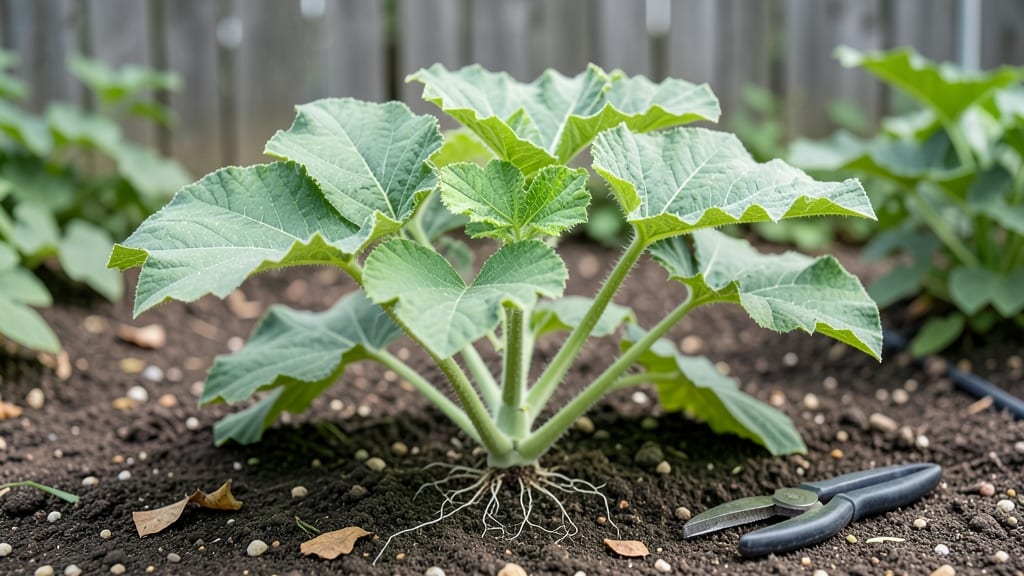
The identification of cantaloupe seedlings early saves you from weeding out your own future harvest—look for those tiny, rounded leaves, smooth-edged and slightly fuzzy, peeking just above soil level, while weeds usually have jagged or narrow shapes. ✨ I’ve pulled up "cantaloupe" that turned out to be purslane or chickweed because I missed these early signs.
As they grow, true cantaloupe seedlings develop two-lobed leaves that look like tiny melon slices, spaced about 2 inches apart on a hairy stem. Weeds often have single, thin leaves or grow in dense clusters.
A quick trick: gently tug on the seedling—cantaloupe roots run deep, while weeds pull out easily.
Once you’ve confirmed them, give your seedlings bright light and consistent moisture—they’ll start forming their signature vining habit within weeks. The goal is sturdy, dark green plants ready for transplanting when they’re about 4 inches tall, with 3-4 true leaves. That’s when the real fun begins.
This works for both direct-sown and transplanted seedlings, and the same rules apply whether you’re in Zone 5 or 10. The key is acting fast—those first leaves don’t last long before the plant outgrows its baby stage. Let’s get you identifying them like a pro.
Root Causes Of Seedling Struggles
Understanding why cantaloupe seedlings fail to thrive—or why they’re hard to identify—starts with examining the environmental, biological, and human factors at play. Below, we break down the key reasons behind misidentification or poor growth, so you can take targeted action.
Cantaloupe seedlings often struggle—or go unnoticed—because they didn’t get the ideal starting conditions from day one. Seed germination is a delicate process, and even small missteps can lead to weak, stunted, or delayed seedlings that mimic other plants (or fail to appear at all).
🔥 Low Soil Temperature - Why it happens: Cantaloupe seeds (Cucumis melo) germinate best in soil temperatures between 75–95°F (24–35°C).
If soil is too cool (below 60°F/15°C), seeds may rot, fail to sprout, or produce weak, leggy seedlings that resemble other fast-growing weeds like pigweed or lambsquarters. - Actionable fix: - Use black plastic mulch or a seedling heat mat to warm the soil. - Plant seeds in biodegradable pots and place them in a warm, sunny window until soil warms naturally. - Avoid planting too early in spring—wait until nighttime temps stay above 55°F (13°C).
💧 Inconsistent Moisture Levels - Why it happens: Overwatering or uneven moisture can cause seeds to drown (leading to mold) or dry out before sprouting.
Underwatered seeds may produce small, weak seedlings that look like failed attempts, while overwatered ones can develop black mold (Pythium) and rot underground. - Actionable fix: - Keep soil consistently moist (not soggy)—like a wrung-out sponge. - Use a spray bottle for gentle watering during germination. - Avoid bottom-watering until seeds sprout; top-watering prevents crusting.
🌿 Low Light Exposure - Why it happens: Seedlings grown in low light (e.g., shaded areas or indoors without grow lights) stretch toward light (etiolation), resulting in long, thin, pale stems that resemble other weak seedlings.
They may also fall over or develop yellow leaves (chlorosis), making identification harder. - Actionable fix: - Provide 12–16 hours of bright light daily (grow lights or a south-facing window). - Rotate trays daily to prevent lopsided growth. - If indoors, use full-spectrum LED grow lights (6–12 inches above seedlings).
Even before seedlings emerge, pests and pathogens can sabotage them, leading to false starts or seedlings that look diseased rather than healthy.
🐜 Soilborne Fungal Infections
- Why it happens: Fungi like Pythium, Rhizoctonia, or Fusarium thrive in cool, wet soil and attack seeds/seedlings, causing:
- Damping-off (seedlings collapse at the soil line).
- Black, mushy stems (rot).
- Slow, stunted growth that mimics nutrient deficiency.
- Actionable fix:
- Sterilize soil with a baking soda solution (1 tbsp/gallon water) or hydrogen peroxide (3%) before planting.
- Use fresh, well-draining potting mix (avoid garden soil).
- Space seedlings to improve airflow and reduce humidity.
🐜 Rodent & Insect Damage - Why it happens: Mice, slugs, or cutworms may eat sprouted seeds or chew seedlings at night, leaving behind ragged stems or missing plants.
This can make it seem like seeds didn’t germinate when they actually did. - Actionable fix: - Set diatomaceous earth around seed trays (safe for seedlings). - Use row covers or copper tape to deter slugs/snails. - Check trays daily at dusk for signs of chewing.
Once seedlings appear, extreme or fluctuating conditions can distort their growth, making them hard to identify.
🌡️ Temperature Swings
- Why it happens: Cantaloupe seedlings hate cold snaps—temps below 50°F (10°C) can cause:
- Stunted growth (leaves stay small).
- Purple or yellow leaves (nutrient uptake slows).
- Seedlings that resemble stressed herbs (e.g., basil) rather than melons.
- Actionable fix:
- Use row covers or cloches for early seedlings.
- Hardening off (acclimating seedlings to outdoor temps) should happen gradually over 1–2 weeks.
💨 Wind & Physical Stress - Why it happens: Young seedlings have delicate stems and can blow over or break in windy conditions.
This can mimic pest damage or poor transplanting. - Actionable fix: - Stake or cage seedlings early (even with toothpicks). - Plant in a sheltered spot or use windbreaks (e.g., burlap screens).
Sometimes, the issue isn’t the plant—it’s the grower’s technique. Common mistakes can lead to seedlings that look wrong from the start.
🌱 Planting Too Deep or Shallow
- Why it happens:
- Too deep: Seedlings may struggle to emerge, leading to weak, curved stems (called "hook" seedlings).
- Too shallow: Seeds may dry out or wash away, making it seem like they didn’t sprout.
- Actionable fix:
- Plant seeds ½ inch deep (about 1 cm).
- Use finger-sized holes for direct sowing to ensure proper depth.
🔄 Overcrowding Seedlings
- Why it happens: If seeds are sown too close, seedlings compete for light/nutrients, resulting in:
- Small, yellow leaves (malnutrition).
- Leggy, weak stems (reaching for light).
- Confusion with weeds (since they look similarly stunted).
- Actionable fix:
- Thin seedlings to 12–18 inches apart once they have 2 true leaves.
- Direct-sow (instead of transplanting) to avoid overcrowding stress.
Cantaloupe seedlings can be easily confused with weeds or other fast-growing plants, especially in early stages.
🌿 Common Look-Alikes
| Plant | How It Differs From Cantaloupe Seedlings | Key ID Tips |
|---|---|---|
| Pigweed | Broad, arrow-shaped leaves; reddish stems. | Cantaloupe leaves are lobed and fuzzy at the base. |
| Lambsquarters | Smooth, maple-like leaves; fast-spreading. | Cantaloupe leaves are deeply serrated and hairy. |
| Marigold Seedlings | Round, glossy leaves; slow growth. | Cantaloupe leaves are rough and jagged. |
| Cucumber Seedlings | Similar but more aggressive vining. | Cantaloupe leaves are lighter green and less waxy. |
- Pro Tip: 💡 Check the stem texture—cantaloupe seedlings have soft, fuzzy hairs, while weeds are usually smooth.
By addressing these root causes, you’ll not only spot cantaloupe seedlings correctly but also give them the best chance to grow strong from the start!
Fixing common cantaloupe seedling struggles
Got seedlings that aren’t cooperating? Don’t panic—most issues with cantaloupe seedlings can be resolved with quick fixes and smart prevention. Below, we’ve mapped out the most common problems and their solutions, so you can get your seedlings thriving in no time. 🌱✨
Cause: Too much competition for light, nutrients, or space. Fix:
- 🔥 Thin Them Out: Use clean scissors or your fingers to snip or gently pull weaker seedlings, leaving only the strongest 2–3 inches apart.
- 🍳 Repot if Needed: If seedlings are cramped in trays, transplant them into individual pots with well-draining soil to encourage stronger roots.
- 🌡️ Boost Light: Move seedlings under grow lights (12–16 hours/day) or to a sunnier spot. A south-facing window works in a pinch!
Prevention Tips:
- Start with properly spaced seeds (1 inch apart in rows, 2–3 feet between rows).
- Use seedling trays with drainage holes to avoid waterlogging.
- Fertilize lightly with a balanced, water-soluble fertilizer (like 10-10-10) once true leaves appear.
Cause: Overwatering, underwatering, or nutrient deficiencies. Fix:
- 💧 Check the Soil: Stick your finger 1 inch deep—if it’s soggy, you’re overwatering; if dry, it’s time to hydrate.
- 👨🍳 Adjust Watering: Water only when the top inch of soil feels dry. Use a spray bottle for seedlings to avoid disturbing roots.
- 🌱 Nutrient Boost: If leaves are pale yellow, add a diluted fish emulsion or compost tea for a nutrient kick.
Prevention Tips:
- Use a moisture meter for accuracy (especially in humid climates).
- Water at the base, not overhead, to prevent fungal diseases.
- Mulch with straw to retain moisture and regulate soil temperature.
Cause: Aphids, spider mites, powdery mildew, or damping-off fungus. Fix:
- 🔪 Spray Neem Oil: Mix 1 tsp neem oil + 1 tsp mild soap in 1 quart of water. Spray on leaves (early morning or evening) to deter pests and fungi.
- 🌡️ Isolate Infected Plants: Remove severely damaged seedlings to prevent spread.
- 🎯 Improve Airflow: Thin seedlings further apart or use a small fan on low setting to reduce humidity (which fungi love).
Prevention Tips:
- Sterilize tools and trays with a 10% bleach solution before reuse.
- Rotate crops yearly to avoid soil-borne diseases.
- Choose disease-resistant cantaloupe varieties if pests are a recurring issue.
Cause: Cool temperatures, poor soil quality, or lack of nutrients. Fix:
- 🔥 Warm Up the Soil: Cantaloupe thrives in warm soil (70°F+). Use black plastic mulch or a seedling heat mat if nights are chilly.
- 🍳 Fertilize Smartly: Switch to a phosphorus-rich fertilizer (like 5-10-5) to encourage root and vine growth.
- 🌱 Harden Off Gradually: If seedlings are weak, acclimate them to outdoor conditions over 7–10 days before transplanting.
Prevention Tips:
- Start seeds indoors 3–4 weeks before the last frost date.
- Test soil pH (ideal range: 6.0–6.8) and amend with compost if needed.
- Avoid transplant shock by watering seedlings thoroughly before moving them outside.
Cause: Seedlings not adapted to outdoor conditions. Fix:
- ⏰ Start Slow: Place seedlings outside for 1–2 hours on day 1, gradually increasing time over a week.
- 🌡️ Shield from Wind/Sun: Use shade cloth or a temporary cover if temperatures exceed 85°F.
- 💧 Keep Soil Moist: Water deeply before and after hardening off to reduce stress.
Prevention Tips:
- Choose a cloudy day for the first hardening session.
- Transplant in the late afternoon to minimize midday heat stress.
- Bury seedlings deeper than their original soil line to encourage stronger root systems.
With these targeted fixes, your cantaloupe seedlings should bounce back faster than you can say “harvest season!” 🍉🚀 Remember, consistency is key—monitor them daily and adjust care as they grow. Happy gardening!
Frequently asked questions
How do I tell cantaloupe seedlings apart from weeds in the early stages?
Look for rounded, fuzzy leaves with jagged edges that appear in pairs. True cantaloupe seedlings also have a hairy stem and grow about 2 inches apart. Weeds like pigweed or lambsquarters usually have smoother, single leaves and grow in dense clusters. A quick test: gently tug on the seedling—cantaloupe roots run deep, while weeds pull out easily.
What’s the best way to confirm cantaloupe seedlings are ready for transplanting?
Wait until seedlings are 4 inches tall with 3-4 true leaves that are dark green and sturdy. They should also have a vining habit and be at least 2-3 weeks old. Transplant on a cloudy day or in late afternoon to reduce stress. Avoid transplanting if seedlings look leggy or pale—they need more light first.
Why do my cantaloupe seedlings look like cucumber seedlings?
Both belong to the same family (Cucurbitaceae), so they share similar early growth patterns. However, cantaloupe seedlings have lighter green, less waxy leaves and grow more slowly. Cucumber seedlings develop more aggressive vines and tend to have larger, glossier leaves. Check the stem hairs—cantaloupe stems are softer and fuzzier.
Can I transplant cantaloupe seedlings too early?
Yes! Transplanting too early (before soil warms to 70°F+) stresses seedlings, causing stunted growth or even death. Wait until nighttime temps stay above 55°F and harden off seedlings for 7-10 days before moving them outside. Bury stems deeper than their original soil line to encourage root growth.
What should I do if my cantaloupe seedlings develop yellow leaves?
Yellow leaves usually mean overwatering, nutrient deficiency, or poor drainage. Check soil moisture—it should feel like a wrung-out sponge. If leaves are pale yellow, add a balanced fertilizer (like 10-10-10) or compost tea. Ensure pots have drainage holes and avoid soggy soil to prevent root rot.