
Diseases
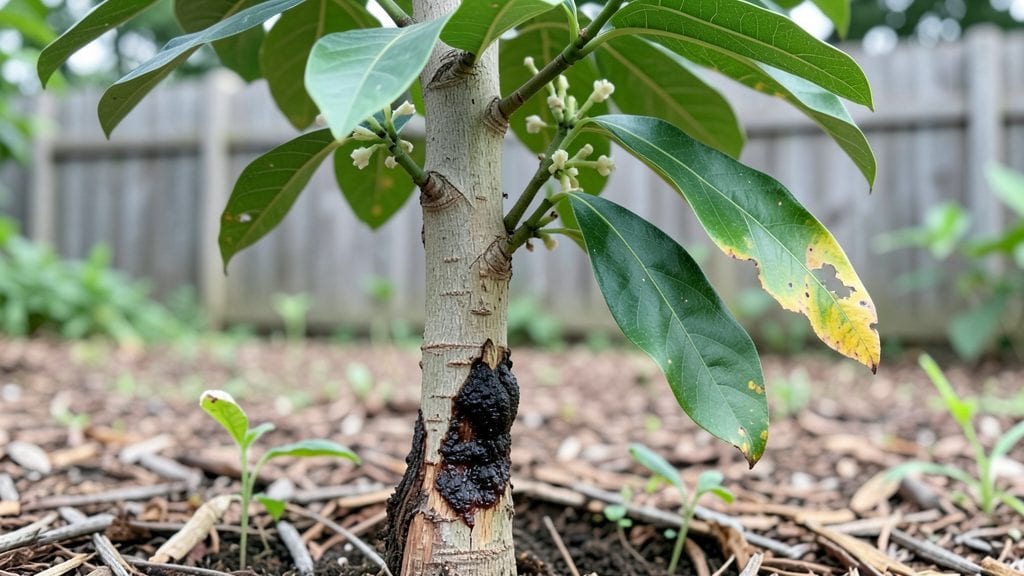
That mango seed rot might ruin your seedling’s potential—but with these simple tricks, you can rescue even the most soggy, slimy seeds before it’s too late. 🌱 too. The key is acting fast before the rot spreads to the entire seedling.
Overwatering, soggy soil, or fungal infections cause most seed rot, turning seeds dark and slimy. You’ll spot it when the seed’s outer shell softens, smells off, or develops fuzzy mold.
The good news? This isn’t always a death sentence—if you catch it early, you can still revive the seed or prevent it from happening again.
With just three targeted steps—drying, sterilizing, and adjusting care—you’ll stop the rot and give your mango seed a fighting chance. Within a week, you’ll see healthy new growth pushing through, and your seedling will be on its way to becoming a thriving tropical plant.
Works for both indoor starts and greenhouse seedlings, no matter your experience level. Let’s turn those blackened seeds around before it’s too late.
Root Causes Of Seed Decay
Understanding why mango seeds turn black and rot is the first step to preventing it. This issue stems from a mix of biological, environmental, and storage-related factors. Let’s break down the key culprits:
Fungi are the most common cause of seed rot in mangoes. Pathogens like Aspergillus, Fusarium, and Colletotrichum thrive in warm, moist conditions—exactly the environment many stored seeds find themselves in. These fungi release enzymes that break down the seed’s protective layers, leading to discoloration and decay.
How it happens:
- Moisture exposure weakens the seed’s natural defenses, allowing fungal spores to latch on.
- Poor ventilation traps humidity, creating the perfect breeding ground for mold.
- Physical damage (like cracks from rough handling) gives fungi easy entry points.
💡 Pro Tip: If you notice fuzzy white or black growth on the seed, it’s a red flag—fungi are already at work!
Bacteria like Pseudomonas and Erwinia can also trigger seed rot, especially if the fruit or seed was contaminated during harvest or storage. These microbes multiply rapidly in damp, unsterile conditions, producing toxins that blacken the seed’s interior.
How it happens:
- Dirty harvesting tools (knives, hands) transfer bacteria to the seed.
- Cross-contamination from other rotting fruit in storage.
- High-temperature storage speeds up bacterial growth, accelerating decay.
⚠️ Warning Sign: A foul, sour smell near the seed is a strong sign of bacterial rot.
Mango seeds are sensitive to extreme conditions. Too much heat or moisture disrupts their cellular structure, making them susceptible to rot. Ideal storage conditions should balance temperature (60–70°F) and humidity (50–60%)—any deviation throws off the seed’s stability.
How it happens:
- Excessive humidity (>70%) causes seeds to absorb too much water, swelling and softening them.
- High heat (>80°F) denatures enzymes in the seed, weakening its resistance to pathogens.
- Fluctuating conditions (like moving seeds from a hot car to a cold basement) create stress cracks.
🎯 Actionable Fix: Use a dehumidifier or silica gel packets in storage containers to maintain stable conditions.
Residues from pesticides, fertilizers, or even overripe fruit can chemically alter the seed’s composition, making it prone to rot. If the mango was treated with fungicides or herbicides, those chemicals may linger on the seed, disrupting its natural defenses.
How it happens:
- Pesticide runoff from the tree or fruit surface transfers to the seed.
- Overripe fruit releases enzymes that break down seed integrity.
- Improper drying methods (like using heat lamps) can leave chemical residues.
🔥 Quick Check: Rinse seeds thoroughly with hydrogen peroxide (3%) for 10 minutes to neutralize surface contaminants before storage.
Even under perfect conditions, mango seeds have a limited shelf life. As they age, their protective layers degrade naturally, making them vulnerable to rot. Storing seeds for more than 6–12 months without proper care significantly increases decay risk.
How it happens:
- Lipid oxidation in the seed’s core accelerates over time, turning it rancid.
- Seed dormancy breakdown weakens structural integrity.
- Oxygen exposure speeds up enzymatic breakdown.
✨ Expert Tip: For long-term storage, dry seeds completely (moisture <10%) and keep them in airtight, food-grade containers with oxygen absorbers.
Bruised or cracked seeds are open invitations for rot-causing microbes. Even minor damage can expose the seed’s inner tissues to infection.
How it happens:
- Rough extraction (using blunt tools) cracks the seed shell.
- Overripe fruit becomes mushy, making seeds prone to splitting.
- Improper drying (like sun-drying too quickly) creates internal stress cracks.
👨🍳 Prevention Step: Always gently pry seeds out with a clean, sharp knife and inspect for cracks before storage. Discard any damaged seeds immediately.
Quick Fixes for Blackened Mango Seeds
If your mango seeds have turned black or mushy—signs of rot—don’t toss them just yet! With the right steps, you can reverse the damage and prevent further spoilage. Below, we break down practical solutions based on the most common causes, from fungal infections to improper storage.
Follow these easy-to-implement fixes to save your seeds (or at least salvage what’s left).
If blackened seeds smell sour or have fuzzy growth (a classic sign of fungal rot), act fast to stop the spread.
✅ Step 1: Sterilize the Area 🧼
- Wash your hands and tools with rubbing alcohol or bleach water (1:10 ratio) to avoid cross-contamination.
- Remove any moldy fruit flesh around the seed with a clean knife.
✅ Step 2: Apply a Natural Fungicide 🌿
- Hydrogen peroxide (3%): Soak the seed in a 1:1 water-peroxide mix for 10–15 minutes to kill surface fungi.
- Baking soda spray: Mix 1 tsp baking soda + 1 quart water + a drop of dish soap. Lightly spray the seed (don’t soak) and let air-dry.
- Neem oil solution: Combine 1 tsp neem oil + 1 cup water + a few drops of soap. Spray and let sit for 30 minutes before drying.
✅ Step 3: Speed-Dry the Seed 🔥
- Pat dry with a paper towel, then place in a single layer on a mesh rack (like a cooling rack or wire mesh).
- Use a fan on low to circulate air and prevent moisture buildup.
- Pro Tip: 🌡️ Ideal drying temp is 70–80°F (21–27°C)—too hot can crack the seed!
✅ Step 4: Store Properly 📦
- Once fully dry (no moisture left), store seeds in an airtight container with silica gel packets or rice grains (natural moisture absorbers).
- Keep in a cool, dark place (like a pantry) to prevent future rot.
If seeds are soft, squishy, or smell fermented, they’ve likely absorbed too much moisture—either from overripe fruit or poor storage.
✅ Step 1: Blot & Expose to Air 🌬️
- Wrap the seed in a paper towel and press gently to absorb excess moisture.
- Leave it in a well-ventilated area (like a sunny windowsill) for 4–6 hours to evaporate remaining dampness.
✅ Step 2: Saltwater Soak (Optional) 🧂
- Soak the seed in warm saltwater (1 tsp salt per cup of water) for 5 minutes to draw out moisture.
- Rinse thoroughly with clean water afterward.
✅ Step 3: Re-Dry Thoroughly ⏳
- Place the seed on a clean, dry surface (like parchment paper) and let it air-dry for 12–24 hours.
- Test for dryness: If it feels lightweight and hard, it’s ready for storage.
✅ Step 4: Prevent Future Moisture 🚫💦
- Never store seeds in plastic bags—opt for breathable cloth bags or paper envelopes.
- Freeze them as a last resort: Place dry seeds in a ziplock bag, squeeze out air, and freeze for up to 6 months.
If seeds turned black from excessive heat or direct sun exposure, they may be overly dried or scorched—but they can still be saved with proper care.
✅ Step 1: Cool Them Down ❄️
- Place seeds in a sealed container with a damp paper towel (not soaking wet) in the refrigerator for 24 hours.
- This rehydrates slightly without promoting rot.
✅ Step 2: Rehydrate Gently 💧
- Soak the seed in room-temperature water for 1–2 hours, then blot dry.
- Avoid hot water—it can shock the seed further.
✅ Step 3: Revive with a Humidity Tent 🌱
- Place the seed in a small plastic bag with a few drops of water (just enough to create humidity).
- Seal the bag loosely (don’t suffocate it) and leave for 1–2 days in a shady spot.
- Check daily—remove if mold appears.
✅ Step 4: Gradual Re-Acclimation 🌞
- Once revived, harden it off by placing it in indirect sunlight for 2 hours/day, gradually increasing exposure.
The best fix? Preventing rot in the first place! Here’s how:
| Cause | Prevention Tip |
|---|---|
| Overripe fruit | Harvest mangoes when they yield slightly to touch but aren’t mushy. |
| High humidity | Store seeds in a cool, dry place (50–60% humidity ideal). |
| Poor ventilation | Use mesh bags or paper envelopes instead of airtight containers. |
| Pests (fruit flies, etc.) | Freeze fruit before cutting or use citrus peels as a natural repellent. |
| Improper drying | Never rush drying—take 3–5 days for full cure if needed. |
💡 Pro Tip: If you’re growing mango trees, sterilize pruning tools with rubbing alcohol before handling seeds to avoid spreading pathogens.
Final Note: While these methods can revive many seeds, severely rotted ones may not recover. When in doubt, test one seed before committing to storage—if it’s completely black and crumbly, it’s best to discard it to avoid contaminating others. 🚫🗑️
Frequently asked questions
Why do mango seeds turn black and slimy so quickly?
Mango seeds rot fast due to their high moisture content and thin protective layers. Fungi like Aspergillus and bacteria thrive in warm, damp conditions—common in tropical climates. The seed's outer shell softens within 24-48 hours if exposed to excess humidity or poor airflow, creating the perfect environment for rot.
Can I still plant a seed that’s partially blackened?
Yes, but only if the blackening is superficial. Cut away the rotted outer layer with a sterilized knife, then soak the healthy inner portion in hydrogen peroxide (3%) for 10 minutes to kill remaining pathogens. Plant it immediately in dry, sterile soil to prevent further decay.
What’s the fastest way to dry mango seeds to prevent rot?
Spread seeds in a single layer on a mesh rack and use a fan on low in a well-ventilated area (70–80°F/21–27°C). Avoid direct sunlight, which can crack the seed. Complete drying takes 3–5 days—test by checking for complete hardness before storage.
Will freezing mango seeds stop rot?
Freezing can pause rot temporarily, but it’s not a long-term fix. Place completely dry seeds in a ziplock bag, remove all air, and freeze for up to 6 months. Thaw seeds slowly in the fridge before planting—they won’t survive direct room-temperature thawing.
How do I know if a seed is too far gone to save?
Discard seeds that are completely black, crumbly, or emit a foul odor. If the seed’s interior is hollow or mushy when cut open, microbial decay has likely destroyed its viability. Never plant these—they’ll contaminate healthy seeds.