
Diseases
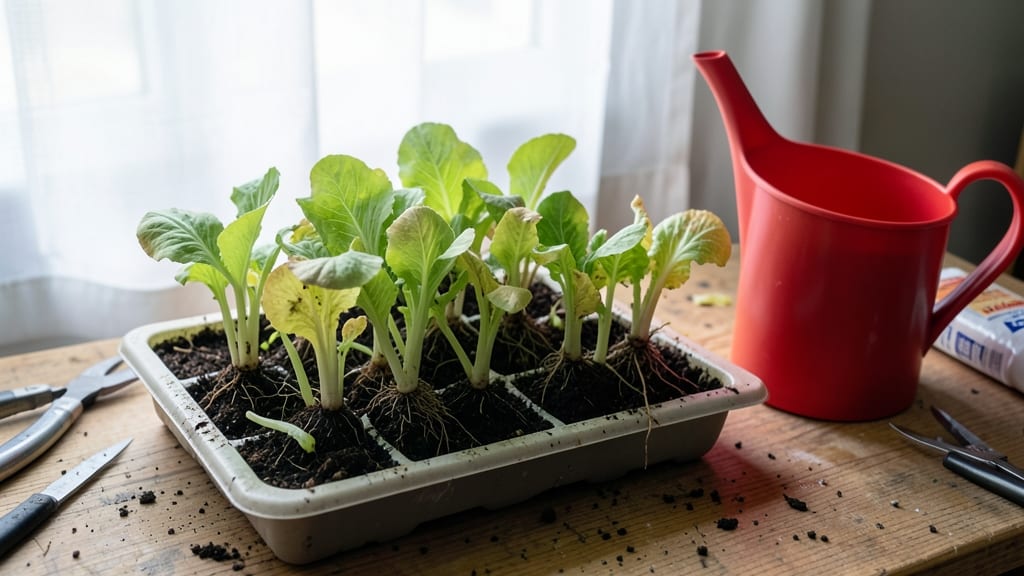
Damping off seeds is the silent killer of your seed-starting dreams—one day you’ve got a tray of tiny sprouts, the next, they’re limp and rotting. I’ve lost more seedlings to this fungal nightmare than I care to admit, but I’ve also learned how to stop it before it starts.
The key isn’t just fixing the problem after it happens; it’s creating an environment where those fuzzy gray spores never get a foothold.
Here’s the thing—damping off thrives in the same conditions your seedlings do: warm soil, high humidity, and zero airflow. That cozy setup is actually a death trap. Sterilized soil, proper spacing, and a gentle fan running 24/7 can turn your seed-starting area from a fungal buffet into a fortress.
Even a simple baking soda spray (1 teaspoon per quart of water) acts as a shield against the fungus that causes those sad little seedlings to collapse overnight.
By the time you spot the first wilted stem, it’s often too late for those plants, but the good news is you can save the rest.
Cinnamon dust on the soil surface, a quick swap to fresh, dry potting mix, and better airflow will give your remaining seedlings a fighting chance. Within days, you’ll see strong stems pushing through instead of that dreaded gray fuzz creeping across the tray.
This works for any seed-starting setup—whether you’re using trays on a sunny windowsill or a grow light station in the basement. The secret isn’t complicated, but it does require vigilance. Let’s turn your seed-starting struggles into a success story.
The Hidden Triggers Behind Seed Rot
Damping off isn’t just a random misfortune for gardeners—it’s a perfect storm of conditions that create the ideal environment for fungal pathogens to attack your seeds and seedlings. Understanding these triggers is the first step to stopping the rot before it starts.
Let’s break down the real culprits behind this destructive cycle, from the soil to the seed itself.
Fungal pathogens like Pythium and Rhizoctonia thrive in excess moisture, which is why damping off often strikes after heavy watering, rain, or when seeds are sown too deeply in compacted soil. Here’s why it’s a problem:
- Oxygen Starvation: Waterlogged soil cuts off oxygen, weakening seeds and seedlings. Fungi love this low-oxygen environment because it slows down natural defenses in young plants.
- Surface Film Formation: When soil stays damp for too long, a thin film of water forms around seeds, trapping spores and fungal hyphae directly against the seed coat. This creates a highway for infection.
- Slow Drying: Containers or trays that don’t dry out between waterings (e.g., plastic pots without drainage) create a greenhouse effect, keeping humidity levels dangerously high.
Actionable Fix: Use well-draining soil mixes (like those with perlite or vermiculite) and water only when the top inch feels dry. Elevate trays to improve airflow, and avoid bottom-watering if your setup traps moisture.
Fungi spread via spores that float in the air, and they need humidity to germinate. Seedlings in a stagnant, humid microclimate (like a closed propagator or a crowded seed tray) are sitting ducks. Here’s the science:
- Spore Germination Threshold: Most damping-off fungi need 90–100% humidity to activate. A simple plastic dome or even morning dew can push conditions into this deadly range.
- Condensation Trap: Warm, moist air inside a sealed container cools at night, causing condensation to drip onto seedlings—a direct fungal delivery system.
- Crowded Seedlings: Poor spacing reduces airflow, creating microclimates where humidity lingers around individual plants.
Actionable Fix: Ventilate propagators daily, space seedlings 1–2 inches apart, and avoid misting. Use a small fan on low speed (yes, really!) to disrupt stagnant air and lower humidity.
Healthy seeds and seedlings have natural antifungal compounds and strong cell walls to resist damping off. But when they’re malnourished or stressed, they become easy targets. Common weak spots:
- Low Phosphorus: Phosphorus is critical for root and cell wall development. Deficient seedlings have thinner, more porous cell walls, making them vulnerable to fungal penetration.
- Overcrowded Roots: Seeds sown too close compete for nutrients, leading to stunted growth and reduced resistance to pathogens.
- Improper Seed Viability: Old, damaged, or improperly stored seeds have compromised outer layers, giving fungi a direct entry point.
Actionable Fix: Start with fresh, high-quality seeds and use a balanced starter fertilizer (low nitrogen, high phosphorus) at half-strength. Thin seedlings early to reduce competition.
Fungal spores are everywhere—in garden soil, old pots, and even on your hands. If your growing medium or tools are already carrying pathogens, damping off is almost guaranteed. Key contamination sources:
- Reused Soil: Old potting mix can harbor dormant spores that reactivate when conditions are right (e.g., after adding fresh water).
- Unsterilized Containers: Plastic trays, seedling flats, or even wooden tools can harbor latent fungal colonies from previous use.
- Cross-Contamination: Moving soil or tools between infected and healthy plants spreads spores like wildfire.
Actionable Fix: Sterilize containers with a 10% bleach solution (rinse well!) or baking soda soak. Use pasteurized or sterilized seed-starting mix, and avoid compost-heavy soils for early sowing.
Fungi like Rhizoctonia and Fusarium have optimal temperature ranges for growth—typically 60–80°F (15–27°C). But extreme swings or cool, damp conditions can tip the scales in their favor:
- Slow Germination: Cool soil (<60°F) delays seedling emergence, leaving them weak and exposed longer to fungal attack.
- Condensation Cycles: Nighttime cooling causes condensation, while daytime warming evaporates it—creating a repeating fungal feast.
- Heat Stress: Overly warm soil (>85°F) can kill beneficial microbes that normally suppress fungal growth.
Actionable Fix: Use a seedling heat mat (70–75°F) for consistent warmth, and avoid placing trays in drafty or temperature-variable spots. A mini greenhouse with a thermometer helps monitor conditions.
Fixing Fungal Seed Rot Fast
Damping off seeds can feel like a devastating blow to your gardening dreams, but don’t worry—there are clear, actionable steps to stop it in its tracks and protect your future plants. The key is identifying the root cause (or soil cause!) and applying the right fix.
Below, we break down practical solutions for each common trigger, plus prevention tips to keep your seedlings thriving.
Fix: Drainage is your first line of defense.
- Repot or replant immediately in fresh, well-draining seed-starting mix (avoid garden soil—it’s too dense).
- Add perlite or vermiculite (10-20%) to improve aeration. These lightweight additives create air pockets, reducing moisture buildup.
- Use shallow trays with drainage holes—never let seeds sit in saucers of water. Elevate trays on pebbles or a rack.
- Water from below (bottom-watering) to prevent surface moisture. Use a spray bottle for delicate seedlings.
💡 Pro Tip: If you’re using a humidity dome, remove it daily for 10-15 minutes to allow airflow. Stagnant air = fungal paradise.
Fix: Sterilize everything—soil, pots, and tools.
- Disinfect containers with a 10% bleach solution (1 part bleach to 9 parts water), rinse well, and dry in sunlight.
- Use fresh, sterile seed-starting mix—never reuse old soil. If you’re mixing your own, bake it in the oven at 200°F (93°C) for 30 minutes to kill pathogens.
- Clean tools between uses with rubbing alcohol or a vinegar-water spray (1:1 ratio). Fungus spores hitchhike on scissors and tweezers!
- Solarize soil (if outdoors): Cover moist soil with clear plastic for 4-6 weeks in hot sun to bake out pathogens naturally.
✨ Bonus: Add 1 tbsp of hydrogen peroxide (3%) per gallon of water when watering to create a mild antifungal barrier.
Fix: Space and airflow save the day.
- Thin seedlings immediately if they’re touching. Use sterilized scissors to snip at soil level—don’t pull, or you’ll disturb roots.
- Increase airflow with a small oscillating fan on low (place it 1-2 feet away). A gentle breeze mimics natural conditions and dries surfaces faster.
- Space trays farther apart (6+ inches between them) to prevent humidity pockets.
- Avoid overcrowding in flats—aim for 1 seed per cell in seedling trays.
🎯 Prevention Tip: If using grow lights, keep them 2-4 inches above seedlings and run them 12-16 hours/day to speed drying and discourage fungus.
Fix: Attack the fungus with natural or chemical defenses.
- Apply a fungicide (choose one):
- Natural: Copper fungicide (follow label rates) or neem oil spray (1 tsp neem oil + 1 tsp mild soap per quart of water). Spray every 5-7 days until seedlings are established.
- Chemical: Benomyl or Myclobutanil (for severe cases—use as a last resort).
- Dust seedlings lightly with cinnamon or diatomaceous earth (food-grade only). These disrupt fungal cell walls.
- Remove infected seedlings immediately (don’t compost them—bag and discard). Fungus spreads fast!
🔥 Emergency Move: If damping off strikes after germination, transfer healthy seeds to new, dry pots with fresh mix. Sometimes a drastic change is the only cure.
Stop damping off before it starts with these habits:
- Start with clean seeds—soak them in 1% hydrogen peroxide for 5 minutes before planting to sterilize.
- Use seedling heat mats (set to 70-75°F) to encourage faster germination in dryer conditions.
- Rotate crops—don’t plant the same family (like tomatoes or peppers) in the same spot yearly.
- Test your soil’s moisture with a moisture meter or stick your finger in—it should feel damp, not soggy.
- Store seeds properly in a cool, dry place (not the fridge) to prevent mold growth before planting.
Final Reminder: Damping off is 100% preventable with the right habits. Once you’ve tackled the issue, your seedlings will have a fighting chance—and your green thumb will thank you! 🌱💪
Frequently asked questions about seedling rot
What does damping off look like on seedlings?
Damping off starts with wilting stems at soil level—seedlings collapse like they’re snapped off, often with a gray or white fuzzy mold at the base. In advanced cases, you’ll see blackened stems or a powdery growth spreading across the soil surface. The key difference from natural wilting? No wilting happens overnight, and the plant stays upright until the fungus attacks.
Can I save seedlings already showing damping off symptoms?
Only if you act immediately. Remove infected seedlings (don’t compost them—bag and discard) and repot healthy ones in fresh, sterile soil. Dust the new soil with cinnamon or diatomaceous earth and place them under a gentle fan to dry surfaces faster. Prevention is better, but this gives struggling seedlings a second chance.
Why does damping off happen even with good drainage?
Excess moisture isn’t the only culprit—high humidity (90%+) and poor airflow create the perfect fungal buffet. Even well-draining soil can trap moisture if seedlings are overcrowded or covered with plastic domes too long. A small fan or daily ventilation breaks this cycle by lowering humidity and speeding evaporation.
Are some plants more prone to damping off than others?
Yes! Slow-germinating seeds (like peppers or tomatoes) and delicate seedlings (e.g., basil or lettuce) are high-risk because they spend more time in vulnerable stages. Fast growers (radishes, beans) outpace fungal growth, but even they’re not immune if conditions are right. The key is consistent warmth (70–75°F) and proper spacing for all species.
How often should I water seedlings to prevent damping off?
Water only when the top inch of soil is dry—use a moisture meter or stick your finger in. For most seedlings, this means every 3–5 days (less if using grow lights). Bottom-watering (placing trays in shallow water) reduces surface moisture better than top-watering. Avoid misting—it increases humidity around leaves, inviting fungal spores.