
Lawn
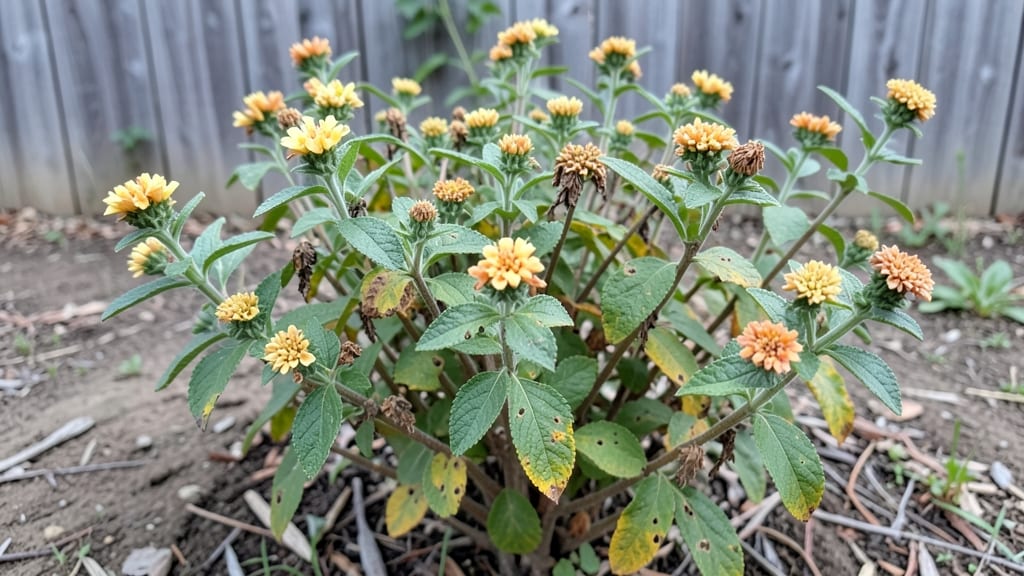
Growing lantana from seed pods lets you multiply your favorite varieties for free—if you know when and how to collect them. 🌿 The key is timing: harvest those papery brown pods in late fall or early winter, after they've dried on the plant but before they split open.
One wrong move and you'll miss the window entirely.
You only need three things to start: a paper bag for collecting, a dry spot to store pods, and patience for the seeds to break dormancy. Skip the fancy equipment—these seeds germinate best when left to dry out naturally over winter.
I've grown dozens of lantana plants this way, and the secret is never rushing the process.
Within three weeks of planting, you'll see those first tiny green shoots pushing through the soil. The plants grow fast, and by summer you'll have bushy lantana ready to fill gaps in borders or brighten up containers.
Just be ready for a few surprises—some seeds take longer to sprout, and not all will be true to the parent plant.
This method works best in zones 8-11, but even in cooler climates, you can stratify seeds for faster germination. The payoff? A lifetime supply of free lantana plants that spread effortlessly once established. Here's exactly how to do it right the first time.
📚 In This Guide
- What you need
- Instructions
- Tips and common mistakes
- Wrapping up and next steps
What you need
- ● Lantana seed pods: 5–10 fresh, mature pods (harvested from healthy plants; avoid pods that are shriveled or moldy).
- ● Seed-starting trays or small pots: 2–4 (3–4 inches deep) with drainage holes. Pro tip: Use biodegradable pots for easy transplanting! 🌱
- ○ Well-draining potting mix: 2–3 bags (sterilized, seed-starting blend or cactus/succulent mix). Optional: Add perlite or coarse sand (20% mix) for extra aeration.
- ● Spray bottle: 1 (for gentle watering—lantana seeds hate soggy soil!).
- ● Clear plastic wrap or humidity dome: 1 (to create a mini greenhouse effect).
- ○ Grow lights or sunny windowsill: Access to bright, indirect light (6+ hours daily). Optional: LED grow lights for consistent conditions.
- ● Labels & marker: To track seed pods and germination dates.
- ● Heat mat: (70–80°F range) to speed up germination.
- ● Fungicide (mild): 1 bottle (prevents damping-off in humid setups).
- ● Tweezers: For carefully handling tiny seeds if pods don’t split naturally.
- ● Notebook: To log progress and adjust care as needed.
Step-by-step instructions for germinating lantana seed pods
Here's how to coax vibrant lantana seedlings from those tricky little pods—no fuss, just results.
🌱 Step 1: Harvest and Prepare the Seed Pods
Collect mature lantana seed pods when they turn brown and begin splitting open naturally. You'll know they're ready when the tiny seeds inside are visible but haven't scattered yet. Gently squeeze the pods to release the seeds—don't crush them, or you'll damage the delicate seed coats.
Spread the seeds on a clean paper towel and let them air-dry for 24 hours. This step is crucial because fresh lantana seeds contain a sticky resin that can prevent proper moisture absorption. Once dry, store them in a paper envelope in a cool, dry place until you're ready to plant.
💧 Step 2: Soak Seeds to Break Dormancy
Fill a small bowl with lukewarm water and add the seeds. Let them soak for 24-48 hours. You'll see the seeds swell slightly as they absorb moisture—this softens the seed coat and helps trigger germination. Stir them gently once or twice during soaking to ensure even exposure to water.
After soaking, drain the water completely and spread the seeds on a fresh paper towel. Let them dry for another 12 hours before planting. This drying step prevents rot and gives you a better chance of even germination. I promise, skipping this won't work—lantana seeds are stubborn little things!
☀️ Step 3: Plant in Warm, Well-Draining Soil
Fill small seedling trays or 2-inch pots with a mix of 50% potting soil and 50% perlite for excellent drainage. Lantana hates soggy roots, so this blend is key. Moisten the mix until it's damp but not wet—think of a wrung-out sponge.
Sprinkle the soaked seeds on the surface, pressing them lightly into the soil with your finger. You don't need to bury them—they need light to germinate. Cover the tray with a clear plastic lid or wrap it in plastic wrap to create a mini greenhouse. Place the tray in a warm spot, ideally 75-85°F, like on top of your fridge or near a sunny window.
🌿 Step 4: Maintain Moisture and Light for Germination
Check the soil daily and mist it lightly with water whenever the top layer feels dry to the touch. The plastic cover keeps humidity high, which lantana seeds love. You should see tiny sprouts in 7-14 days, though some seeds may take up to 3 weeks—patience is key here.
Once the seedlings emerge, remove the plastic cover immediately to prevent mold. Place the tray under bright, indirect light for the first week, then gradually introduce 4-6 hours of morning sun daily. Watch for leggy growth—this means they need more light. Strong seedlings will have thick stems and dark green leaves.
✂️ Step 5: Thin and Transplant Seedlings
When seedlings reach 1-2 inches tall, thin them so only the strongest plant remains in each pot. Use small scissors to snip the weaker stems at soil level—this prevents disturbing the roots of the plants you're keeping.
After thinning, let the seedlings harden off for 1 week by placing them outside in a sheltered spot for 1-2 hours daily. This prepares them for life in the garden. Once they're ready, transplant them into individual 4-inch pots or directly into the ground, spacing them 12-18 inches apart in full sun. Mulch around the base to retain moisture and keep weeds at bay.
Tips & tricks for germinating lantana seed pods
These little tricks will help you avoid the common pitfalls that turn lantana germination into a frustrating guessing game.
Timing is Everything: Don't rush the 24-hour drying after harvesting—this crucial step removes that sticky resin that can suffocate your seeds. I've learned the hard way that cutting corners here means fewer (or no!) sprouts. Place your seeds on a paper towel in a single layer, and resist the urge to speed things up with heat.
Soaking Secrets: For the 24-48 hour soak, use lukewarm water that feels comfortable to your wrist—not hot, not cold. I stir mine every 12 hours to prevent mold from forming on any seeds that might sink. After draining, pat them completely dry before the 12-hour drying—any moisture left will create a breeding ground for rot.
Soil Science: That 50/50 mix of potting soil and perlite isn't just random—lantana roots need both air and moisture. Too much soil compacting can smother those tiny seeds, while too much perlite might dry them out. Press the seeds lightly into the surface rather than burying them; they need light to germinate, and darkness will leave you waiting forever.
Light Strategy: When you're ready to introduce 4-6 hours of morning sun, start with just 2 hours the first day and increase by 30 minutes daily. I've seen seedlings go from lush and green to sad and leggy in just 48 hours when I moved them too quickly. The key is gradual acclimation—think of it like sunbathing after winter, not a tanning session.
Pro Tips for Lantana Seed Pod
- These little tricks will help you avoid the common pitfalls that turn lantana germination into a frustrating guessing game.
- Timing is Everything: Don't rush the 24-hour drying after harvesting—this crucial step removes that sticky resin that can suffocate your seeds.
- Soaking Secrets: For the 24-48 hour soak, use lukewarm water that feels comfortable to your wrist—not hot, not cold.
Frequently asked questions
Got questions about lantana seed pods? You’re not alone! Here are some of the most common queries—plus quick, actionable answers to help you navigate germination, care, and troubleshooting like a pro.
How long does it take for lantana seed pods to germinate?
With the right conditions (warmth, moisture, and indirect light), lantana seed pods typically sprout in 10–21 days. If you’re impatient, pre-soaking pods in warm water for 12–24 hours can speed up germination. Pro tip: Keep soil consistently moist but not soggy—overwatering can drown seeds!
Can I grow lantana from seed pods I find in my yard?
Wild lantana seed pods are just as viable as store-bought ones. Just ensure they’re fully dried and intact—green or squishy pods won’t germinate. Collect them in late summer/fall when they’re brown and brittle. Warning: Wear gloves; lantana sap can irritate skin!
What’s the best temperature for lantana seed pod germination?
Lantana thrives in warmth, so aim for 70–85°F (21–29°C). Use a heat mat or place your seed tray near a sunny window (south-facing is ideal). If temps dip below 60°F (15°C), germination slows dramatically. Quick fix: A clear plastic dome or zip-top bag creates a mini greenhouse effect!
Why aren’t my lantana seeds sprouting? Troubleshooting tips.
No sprouts? Check these common culprits:
- Cold soil: Lantana hates chill—move to a warmer spot or use a heat mat.
- Too much water: Overwatering causes rot. Let the top inch of soil dry between waterings.
- Old seeds: Lantana pods lose viability after 1–2 years. Test freshness by cutting open a pod—seeds should be plump and firm.
- Low light: Seedlings need bright, indirect light. A grow light 2–3 inches above the tray works wonders.
Still stuck? Try scarifying seeds (lightly nicking the outer shell) to encourage germination.
Are there non-invasive lantana varieties for seed pods?
Yes! Some cultivars, like ‘New Gold’ or ‘Bandana Series’, are less aggressive than wild types. If invasiveness is a concern, opt for dwarf varieties or grow them in containers. Always research local regulations—some areas restrict lantana due to its spread. Bonus: Hybrid varieties often produce more vibrant blooms!
Wrapping up and next steps
Growing lantana from seed pods is a rewarding journey that brings vibrant color and resilience to your lawn or garden! 🌱 With just a few simple steps—soaking, sowing, and nurturing—you’ll watch these hardy plants thrive in as little as three weeks.
Whether you’re a seasoned gardener or a beginner, this stress-free method proves that nature’s beauty is just a seed pod away.
Ready to turn your green space into a lantana paradise? Start today! Gather your supplies, follow the guide, and soon you’ll be enjoying the stunning blooms and low-maintenance charm of lantana. Happy planting! 🌸