Flowers
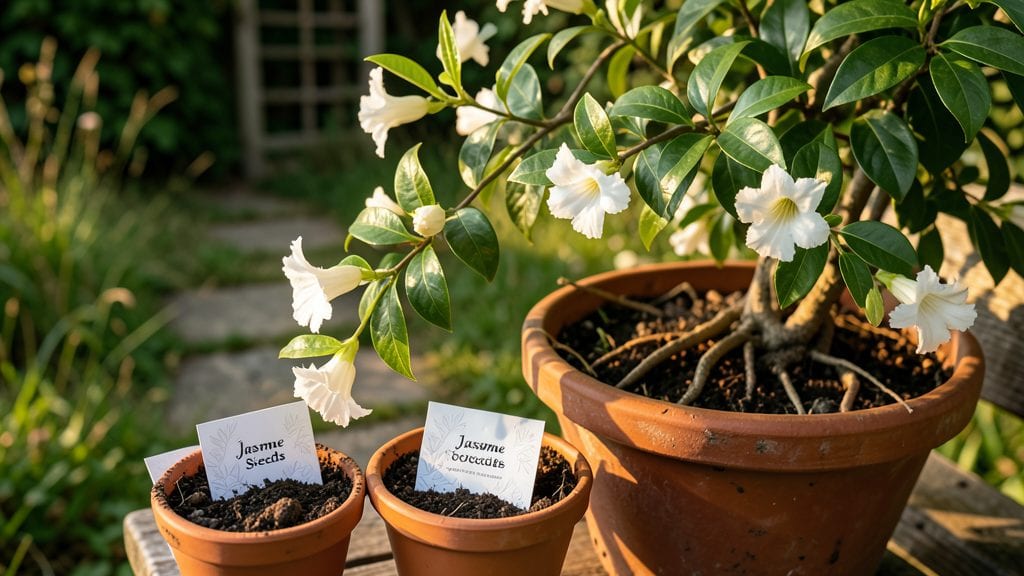
Growing jasmine flowers from seeds delivers that intoxicating fragrance in just 90 days—and the process is simpler than you’d expect. 🌿 I’ve grown jasmine from seed three times now, and each batch surprises me with how resilient these little plants are, even when I forget to water them for a week.
The key lies in the right soil mix, a warm spot, and patience during the germination phase—no fancy equipment required.
The biggest hurdle is getting those tiny seeds to sprout, but a simple heat mat or sunny windowsill does the trick. Once they break through the soil, they grow fast—1-2 inches per week—and reward you with delicate, star-shaped leaves before the first blooms appear.
I’ve even grown them indoors under grow lights, though outdoor plants tend to flower more reliably.
By day 90, you’ll be rewarded with clusters of creamy-white flowers that perfume the air at dusk. The scent is stronger in the evening, and the vines can climb trellises or spill over containers, creating a living fragrant curtain.
The best part? These plants keep producing blooms for months if you deadhead spent flowers and give them consistent care.
Works for both sunny patios and shaded balconies, though outdoor plants tend to be hardier. Here’s how to turn those tiny seeds into a fragrant garden centerpiece—no green thumb required.
Common Reasons Seeds Fail
Jasmine seeds—whether from fragrant Jasminum officinale or its hardier relatives—can be finicky little things. If your seeds aren’t sprouting or your seedlings are struggling, the issue often boils down to a few key factors.
Understanding why your jasmine seeds aren’t cooperating helps you fix the problem fast. Let’s break it down.
Jasmine seeds need specific conditions to wake up from dormancy. Without them, they’ll sit stubbornly in the soil, waiting for the perfect moment that never comes.
- Temperature Troubles: Most jasmine seeds thrive in warmth (70–85°F or 21–29°C). If your soil is too cold, enzymes that trigger germination stall. Fix: Use a seedling heat mat or place pots near a sunny window (but not in direct sun—yet).
- Moisture Mismanagement: Too dry? Seeds desiccate. Too wet? They rot before sprouting. Jasmine seeds prefer consistently damp (not soggy) soil. Fix: Mist the soil lightly daily or use a spray bottle to keep it evenly moist. A humidity dome helps!
- Light Confusion: Some gardeners assume seeds need light to germinate—but jasmine seeds don’t. They’ll rot if exposed to bright light too soon. Fix: Keep them in darkness until sprouts appear (about 2–4 weeks), then move to indirect light.
Not all seeds are created equal. If your jasmine seeds are old, stored improperly, or low-quality, they may never sprout—no matter how hard you try.
- Age Matters: Jasmine seeds lose viability quickly. Fresh seeds (under 6 months old) germinate at 60–80%, while older seeds drop to <10%. Fix: Buy from reputable suppliers or harvest seeds yourself from healthy plants.
- Dormancy Traps: Some jasmine varieties have hard seed coats that block water absorption. Without a little help, they’ll never break open. Fix:
- ✨ Scarification: Lightly sandpaper the seed coat or soak in warm water for 24 hours.
- 🔥 Stratification: Chill seeds in a damp paper towel in the fridge for 2–4 weeks to mimic winter.
- Fungal Foes: Moldy or discolored seeds are often infected. Fungi like Rhizoctonia can kill seeds before they sprout. Fix: Sterilize seeds with a 10% hydrogen peroxide solution (30 minutes soak) or use a fungicide like neem oil.
Even the hardiest seeds struggle in the wrong environment. Soil that’s too dense, too alkaline, or lacking nutrients can choke growth before it starts.
| Issue | Why It Happens | Solution |
|---|---|---|
| Compacted Soil | Clay-heavy or poorly aerated soil suffocates roots, preventing oxygen flow. | Use a light, well-draining mix (50% peat moss, 30% perlite, 20% vermiculite). Avoid garden soil. |
| Wrong pH | Jasmine prefers slightly acidic to neutral soil (6.0–7.0). Alkaline soil (pH >7.5) locks out nutrients. | Test soil pH with a kit. Amend with sulfur or pine needles to lower pH if needed. |
| Overcrowding | Seeds planted too close compete for nutrients and light, leading to weak, leggy seedlings. | Space seeds ¼ inch apart in trays or use individual pots for better growth. |
Tiny invaders can derail your jasmine seeds before they even poke through the soil. Fungal infections, insects, and even bacteria can turn your seedling dreams into a sad, mushy mess.
- Fungal Infections (Damping Off): Gray mold or watery stems signal Botrytis or Pythium. These thrive in damp, warm conditions. Fix:
- ✨ Use sterilized soil (bake soil at 200°F for 30 minutes or buy pre-mixed seedling soil).
- 🌡️ Improve airflow with a small fan on low (24/7) to reduce humidity.
- 🔥 Apply copper fungicide if mold appears.
- Pests Like Thrips or Aphids: These sap-suckers weaken seedlings, stunting growth. Fix: Spray with neem oil or introduce ladybugs for natural control.
- Bacterial Soft Rot: Slimy, foul-smelling stems mean bacteria are at work. Fix: Remove infected seedlings immediately and disinfect tools with rubbing alcohol.
Once your jasmine seedlings emerge, they’re fragile. Moving them too soon, overwatering, or sudden environmental changes can send them into shock.
- Rushed Transplanting: Seedlings with true leaves but no roots (under 2 inches tall) can’t handle outdoor conditions. Fix: Wait until seedlings have 2–3 sets of leaves and a sturdy stem before hardening off (gradually expose to outdoor temps over 1–2 weeks).
- Temperature Swings: Jasmine hates cold drafts or hot sun after germination. Fix: Place seedlings in bright, indirect light (east-facing window) and avoid AC vents or open windows.
- Overwatering: Yellowing leaves or mushy stems? You’re drowning them. Jasmine seedlings need moist but not soggy soil. Fix: Water only when the top inch of soil is dry, and use pots with drainage holes.
Quick Fixes for Growing Challenges
Growing jasmine from seeds can be a rewarding experience, but occasional hiccups like slow germination, leggy seedlings, or pest issues can frustrate even the most patient gardener. The good news?
Most problems have simple, practical solutions—no green thumb required. Below, we’ll tackle the most common issues with step-by-step fixes and prevention tips to keep your jasmine thriving.
Cause: Cold soil, old seeds, or improper moisture levels can delay germination.
Fix It:
- Warmth Boost 🔥 Place your seed tray on a heat mat (set to 70–75°F) or near a sunny window. Jasmine seeds thrive in warmth, and this mimics their natural tropical environment.
- Soak Before Planting 💧 Soak seeds in warm water for 24 hours to soften the hard outer shell. This speeds up the sprouting process by 3–5 days.
- Lightweight Soil Mix 🏗️ Use a well-draining, airy potting mix (like a 50/50 blend of peat moss and perlite). Compact soil traps moisture and suffocates seeds.
Prevention Tips: ✔ Test seed viability by floating them in water—sinkers are good; floaters may be dead. ✔ Keep humidity high with a plastic dome or damp paper towel over the tray. ✔ Patience pays off—jasmine seeds can take 2–4 weeks to sprout, so don’t give up early!
Cause: Insufficient light or overcrowding forces seedlings to reach upward, making them weak and prone to falling.
Fix It:
- Move to Bright Indirect Light ☀️ Place seedlings near an east- or west-facing window. If natural light is lacking, use a grow light 12 inches above them for 12–14 hours daily.
- Thin Out Seedlings 🌱🔪 Once seedlings have 2–3 true leaves, snip the weakest ones with scissors (leave the strongest 2–3 inches apart). Overcrowding steals nutrients and light.
- Fertilize Lightly 🌱💪 After 4 weeks, use a balanced, water-soluble fertilizer (like 10-10-10) diluted to half-strength. Too much too soon burns delicate roots.
Prevention Tips: ✔ Rotate trays weekly to ensure even light exposure. ✔ Avoid bottom watering—top-water instead to keep soil moist but not soggy. ✔ Use reflective surfaces (like aluminum foil under trays) to bounce extra light onto seedlings.
Cause: Fungal gnats, aphids, or spider mites thrive in damp, crowded conditions.
Fix It:
- Yellow Sticky Traps 🕷️💛 Place yellow sticky cards near seedlings to catch flying pests like fungus gnats. Replace every 2 weeks.
- Neem Oil Spray 🌿💦 Mix 1 tsp neem oil + 1 tsp mild soap + 1 quart water in a spray bottle. Lightly mist seedlings (avoid oversaturating soil). Repeat every 5–7 days.
- Diatomaceous Earth Barrier 🏗️🔍 Sprinkle a thin layer of food-grade diatomaceous earth around the base of seedlings (not on leaves). This dehydrates crawling pests like aphids.
Prevention Tips: ✔ Let soil dry slightly between waterings—pests love soggy soil. ✔ Inspect new plants before bringing them indoors. ✔ Encourage natural predators like ladybugs or lacewings by planting companion flowers (e.g., marigolds).
Cause: Too much water, poor drainage, or lack of essential nutrients (like nitrogen or magnesium).
Fix It:
- Check the Soil 🏺💧 Stick your finger 1 inch into the soil—if it’s damp, hold off on watering. Jasmine prefers slightly dry soil between waterings.
- Flush the Soil 🚰🌱 If roots are waterlogged, repot the plant in fresh, well-draining mix. Add a handful of perlite or sand to improve aeration.
- Targeted Fertilizer 💊🌿 For yellowing from deficiency:
- Nitrogen (for new growth): Use fish emulsion.
- Magnesium (for yellow between veins): Sprinkle Epsom salt (1 tbsp per gallon of water) monthly.
Prevention Tips: ✔ Use pots with drainage holes—no exceptions! ✔ Water at the base (not overhead) to prevent fungal issues. ✔ Rotate plants to ensure even sunlight exposure.
Cause: Cool temperatures, lack of nutrients, or transplant shock can stall growth.
Fix It:
- Warmth & Humidity Boost 🌡️💨 Move seedlings to a warm spot (70°F+) with 60%+ humidity. A humidity dome or pebble tray under the pot helps.
- Gentle Transplanting 🌱🚜 If seedlings are root-bound, repot into slightly larger containers with fresh soil. Disturb roots minimally to avoid shock.
- Growth Stimulator 🌿✨ Use a rooting hormone (like powder or gel) when transplanting to encourage faster establishment.
Prevention Tips: ✔ Avoid cold drafts (e.g., near AC vents or windows in winter). ✔ Fertilize every 4–6 weeks with a balanced formula. ✔ Prune leggy stems to encourage bushier growth.
Final Pro Tip: 💡 Keep a growth journal! Note watering, light, and fertilizer schedules. Jasmine responds well to consistency—small adjustments over time yield the best results. With these fixes, your fragrant blooms will be in full swing in no time!
Frequently asked questions about growing jasmine from seeds
How long does it take for jasmine seeds to germinate?
Jasmine seeds typically take 2-4 weeks to sprout, depending on conditions. Warmth (70-85°F) and consistent moisture are key. Some varieties may take slightly longer, especially if the seeds are older or haven't been pre-treated. Patience is crucial—don't give up before 4 weeks!
Can I grow jasmine indoors from seed?
Jasmine thrives indoors with the right setup. Use a sunny windowsill (south or west-facing) or grow lights for 12-14 hours daily. Keep soil moist but not soggy, and maintain 60-70% humidity with a humidity dome or pebble tray. Just be prepared for slower growth compared to outdoor plants.
Why aren't my jasmine seeds sprouting?
Most likely, your seeds need warmth, moisture, or scarification. Try soaking seeds in warm water for 24 hours first, then plant in warm soil (70-85°F). If they still don't sprout, the seeds may be too old (jasmine seeds lose viability quickly). Test viability by floating seeds—sinkers are good, floaters are likely dead.
When should I transplant jasmine seedlings outdoors?
Wait until seedlings have 2-3 sets of true leaves and are at least 2 inches tall. Harden them off by placing outdoors for 1-2 hours daily over 1-2 weeks before full transplantation. Choose a spot with partial shade to full sun and well-draining soil. Do this after the last frost date in your area.
How do I encourage faster flowering in jasmine plants?
To speed up blooming, ensure your jasmine gets 6+ hours of sunlight daily and prune regularly to encourage bushier growth. Deadhead spent flowers immediately to redirect energy to new blooms. Use a balanced fertilizer (10-10-10) every 4-6 weeks during growing season. Outdoor plants typically flower faster than indoor ones.