Propagation
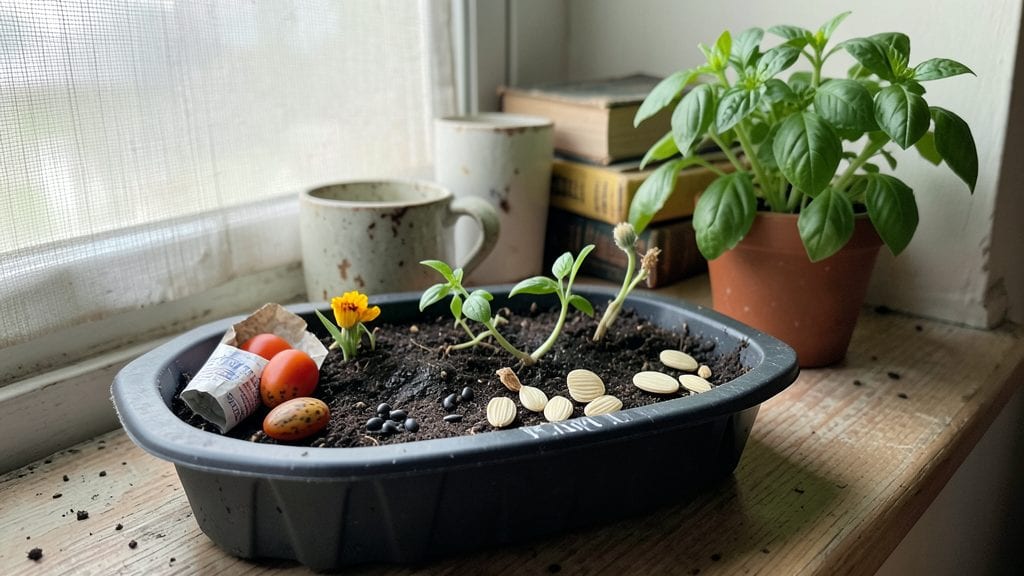
The identification of seeds is your first step toward avoiding planting mistakes—and the headaches that come with them. 🌱 I’ve spent years sorting through seed packets, comparing tiny shapes under a magnifying glass, and learning the subtle differences between a tomato seed and a... pepper seed.
The right ID means better germination, proper spacing, and plants that thrive instead of flop.
Most seeds have distinct clues: size (tiny carrot vs. large bean), shape (round tomato vs. flat pepper), and texture (smooth cucumber vs. ridged squash). Even color helps—black sesame seeds vs. brown sunflower seeds.
I’ll walk you through the key traits of 20 common varieties, plus how to use free apps and seed catalogs to double-check. No more guessing whether that packet says "tomato" or "eggplant" when they look identical.
Once you master these visual cues, you’ll spot mistakes before they happen—like planting basil seeds instead of parsley. Proper identification also tells you exactly how deep to plant, how far apart to space, and what growing conditions each seed needs.
That’s the difference between a lush harvest and a sad, stunted garden.
This works for beginners and seasoned gardeners alike—whether you’re sorting a single packet or organizing a seed collection. Let’s turn seed confusion into confidence, so you can focus on growing instead of second-guessing.
Common Reasons Seeds Confuse Gardeners
Seed identification can feel like solving a puzzle—especially when similar-looking seeds throw you off. Whether you're a seasoned gardener or just starting, misidentifying seeds can lead to frustration, wasted resources, or even failed harvests.
But why does this happen so often? Let’s break down the most common reasons and the science behind them.
Many plant seeds share striking visual traits, making them nearly indistinguishable at first glance. For example:
- Shape and Size: Seeds like those of Lupinus (lupine) and Lathyrus (sweet pea) can look almost identical—round, smooth, and similar in size. Without close inspection, their subtle differences (like surface texture or slight color variations) go unnoticed.
- Color Variations: Some seeds, such as Phaseolus (bean) varieties, come in shades that overlap—creamy white, tan, or even light brown. Environmental factors (like soil pH or moisture) can further alter seed coloring, blurring the lines between species.
- Seed Coat Texture: Smooth vs. slightly rough or netted coatings (e.g., Cucurbita squash seeds vs. Citrullus watermelon seeds) require magnification or tactile examination to distinguish.
Actionable Tip: Use a hand lens (10x magnification) or a digital microscope to spot microscopic details like hilum shape (the scar where the seed attaches to the plant) or surface patterns. For example, Allium (onion) seeds have a papery, star-like appearance, while Brassica (mustard family) seeds are often wrinkled or ridged.
Seeds aren’t always perfect—some arrive underdeveloped, shriveled, or physically altered due to storage or handling. This can distort their natural features, making identification harder.
- Premature Harvesting: Seeds collected too early (e.g., from Solanum tomatoes or Capsicum peppers) may be smaller, softer, or incomplete, lacking the defining characteristics of mature seeds.
- Drying or Moisture Issues: Overly dry seeds (e.g., Helianthus sunflower seeds) can shrink or crack, while damp seeds may develop mold or discoloration, obscuring their true form.
- Physical Damage: Bruised or crushed seeds (common in Fabaceae legumes) lose their distinctive shapes or markings, making them resemble unrelated seeds.
Actionable Tip: Store seeds in a cool, dry place (50–60°F) with silica gel packets to prevent moisture damage. For damaged seeds, compare them to reference images of healthy specimens—look for consistency in size, shape, and color across multiple seeds from the same batch.
Nature designed seeds with unique adaptations for dispersal—some mimic other seeds, leading to confusion. For instance:
- Winged Seeds: Ulmus (elm) and Acer (maple) seeds both have papery wings, but their wing shape and attachment points differ. Elm wings are asymmetrical and broader, while maple wings are opposite and more delicate.
- Bur or Barbed Seeds: Xanthium (cocklebur) and Carduus (thistle) seeds have hooks or spines, but their arrangement and density vary. Cocklebur seeds are clustered in spiky balls, while thistle seeds are singly barbed.
- Fleshy or False "Seeds": Some plants (like Fragaria strawberries) produce achenes (true seeds) embedded in a fleshy receptacle. If you’re only looking at the red, pulpy part, you might overlook the tiny, hard achenes inside.
Actionable Tip: Study the seed’s attachment to the plant. For example, Datura seeds are enclosed in spiky capsules, while Nicotiana (tobacco) seeds are in long, cylindrical pods. Take photos of the seed in situ (still attached to the plant) for clearer identification.
Without a comparative database, even experienced gardeners can misidentify seeds. Many seeds look alike in isolation but have distinctive features when grouped.
- Overlapping Traits: Chenopodium (lamb’s quarters) and Amaranthus (amaranth) seeds are both small, flat, and dark, but amaranth seeds are often shiny and kidney-shaped, while lamb’s quarters seeds are matte and triangular.
- Regional Varieties: The same species (e.g., Zea mays corn) can produce seeds with different colors or patterns depending on the cultivar or growing conditions.
- Hybridization: Cross-pollinated plants (like Brassica oleracea cabbage family) can produce seeds that don’t match parent traits, creating "hybrid" seeds with unpredictable features.
Actionable Tip: Build a seed reference library using:
- A physical collection of labeled seeds (store in small vials with notes).
- Digital tools like the USDA Plants Database or Seed Savers Exchange for high-res images.
- Field guides like "The Seed Identification Guide" by James A. Duke or "Native American Ethnobotany" by Daniel Moerman.
By understanding these common pitfalls, you’ll sharpen your seed-spotting skills and avoid costly mistakes. Next, we’ll explore pro tips for accurate identification—including how to use seed anatomy as your secret weapon! 🌱🔎
Quick Fixes for Seed ID Confusion
Struggling to tell your tomato seeds from your basil? Or maybe you’re staring at a mystery packet labeled “Herbs” that could be anything from dill to cilantro? Don’t panic—these practical solutions will help you accurately identify seeds (and avoid planting weeds or the wrong veggies) in no time.
Below, we break down common causes of seed mix-ups and offer step-by-step fixes, plus prevention tips to keep your garden organized.
Cause: Many seeds (e.g., beans, peas, squash) share similar oval or round shapes, making them hard to distinguish at a glance. Fix:
- 📏 Measure & Compare: Use a ruler or caliper to note seed dimensions. For example:
- Black-eyed peas = 5–8mm wide, flat and kidney-shaped.
- Lima beans = 10–15mm, thicker and more oval.
- Pumpkin seeds = 10–15mm, but flat and ribbed like tiny paddles.
- 🧲 Test Float vs. Sink: Drop seeds in water—some (like watermelon) float, while others (tomato) sink. Pro tip: 💡 Use this trick to separate mixed batches before planting!
Prevention:
- Store seeds in small, labeled jars (e.g., mason jars with masking tape labels).
- Snap a photo of each seed type before planting—compare it later if you’re unsure.
Cause: Over time, seed packets degrade, labels smudge, or get lost in the shuffle. Fix:
- 🔍 Use a Magnifying Glass: Check for tiny text or faded logos on the packet. Some brands (like Baker Creek or Seed Savers Exchange) have distinctive designs.
- 📸 Reverse-Image Search: Snap a photo of the packet and upload it to Google Lens or Pinterest—often, gardeners have shared photos of the same seed brand.
- 📝 Cross-Reference with Catalogs: Compare your seeds to old catalogs (many seed companies archive them online). Look for:
- Shape of the packet (e.g., triangular, rectangular).
- Color patterns (e.g., purple vs. green text).
- Unique icons (e.g., a sunflower symbol for heirloom varieties).
Prevention:
- 📌 Date and label seeds with a permanent marker and a waterproof sticker (like those used for luggage).
- 📱 Scan QR codes (if available) and save digital copies to your phone.
Cause: Contaminated seed batches or windborne seeds (like pigweed or lambsquarters) can sneak into your garden. Fix:
- 🔎 Inspect Seed Texture: Weed seeds often have rough, spiky, or papery coatings, while vegetable seeds are usually smooth and plump.
- Example: Morning glory seeds (weed) are heart-shaped with a silver sheen, while sunflower seeds are striped and oblong.
- 🌱 Germinate a Test Batch: Plant a few seeds in a small pot and observe:
- True leaves (first leaves) of crops are usually round or lobed (e.g., tomato).
- Weed leaves often have needle-like or jagged edges (e.g., chickweed).
- 🚫 Dispose of Suspect Seeds: If you’re unsure, compost them (not in your garden—weeds can spread!).
Prevention:
- Buy seeds from reputable suppliers (e.g., Johnny’s Selected Seeds, High Mowing Organic Seeds).
- 🧹 Clean seed storage areas annually to avoid cross-contamination.
Cause: You’ve inherited seeds with no labels, or you’re working from a family heirloom with no documentation. Fix:
- 📖 Consult a Seed Key: Use a visual seed identification guide like:
- The New Seed Starter’s Handbook (by Nancy Bubel).
- USDA Germplasm Resources (free online database for heirloom seeds).
- 📱 Try Seed ID Apps:
- Seed to Seed (by John Navazke).
- PlantNet (for wild seeds/weeds).
- GrowVeg Garden Planner (includes seed shape comparisons).
- 🌱 Plant a “Mystery Row”: Sow a few seeds in a separate pot, then research the plants as they grow by comparing leaves, flowers, and fruit.
Prevention:
- 📝 Keep a garden journal with sketches of seed shapes and growth stages.
- 🤝 Join seed-swapping groups (e.g., Seed Savers Exchange forums) to ask for help.
If you’re obsessed with accuracy and have rare or historic seeds, consider:
- 🧬 Home DNA kits (like AncestryDNA for plants—though limited for seeds).
- 🔬 Professional lab testing (e.g., University of California Davis Seed Lab for heirloom verification).
Cost: $50–$200, but worth it for collectors or breeders.
- 💡 Color-code seed jars by category (e.g., red for tomatoes, blue for herbs).
- 🌡️ Store seeds in the fridge (up to 5 years) to preserve viability.
- 📅 Plant in batches—label pots with the date sown to track growth stages.
- 🌱 Start with easy-to-ID seeds (like giant pumpkin seeds or moonflower) to build confidence.
With these fixes, you’ll never again stare blankly at a seed tray wondering, “What even is this?” Happy planting! 🌱🔍
Frequently asked questions
What’s the easiest way to tell tomato seeds from pepper seeds?
Look at size and shape: Tomato seeds are tiny (3-4mm), flat, and often clustered in jelly-like pulp. Pepper seeds are slightly larger (4-5mm), more oval, and usually found in dry, papery sacs. Pro tip: Soak both in water—tomato seeds sink while pepper seeds float!
Can I use a magnifying glass for seed identification?
A 10x hand lens reveals key details like hilum shape (the seed’s attachment scar) or surface texture. For example, sunflower seeds have striped patterns while basil seeds are smooth and kidney-shaped. Invest in one for $10—it’s a game-changer!
How do I identify seeds from a mystery packet?
Start by comparing to reference images in seed databases (like the USDA’s Germplasm Resources). Test-germinate a few seeds in a pot—observe leaf shape (tomato leaves are lobed while basil leaves are oval). If unsure, post photos to gardening forums for crowd-sourced help.
Why do some seeds look identical but grow into different plants?
Seeds from the same family (like Brassica—cabbage, broccoli, kale) often share shapes but differ in texture and size. For example, mustard seeds are tiny (1mm) while broccoli seeds are larger (2mm). Always cross-check with seed catalogs!
Are there apps that help identify seeds?
Yes! Try PlantNet or Seed to Seed—upload photos to match against their databases. For heirloom seeds, the Seed Savers Exchange app includes rare varieties. Pair apps with a physical seed key for best results.