How To
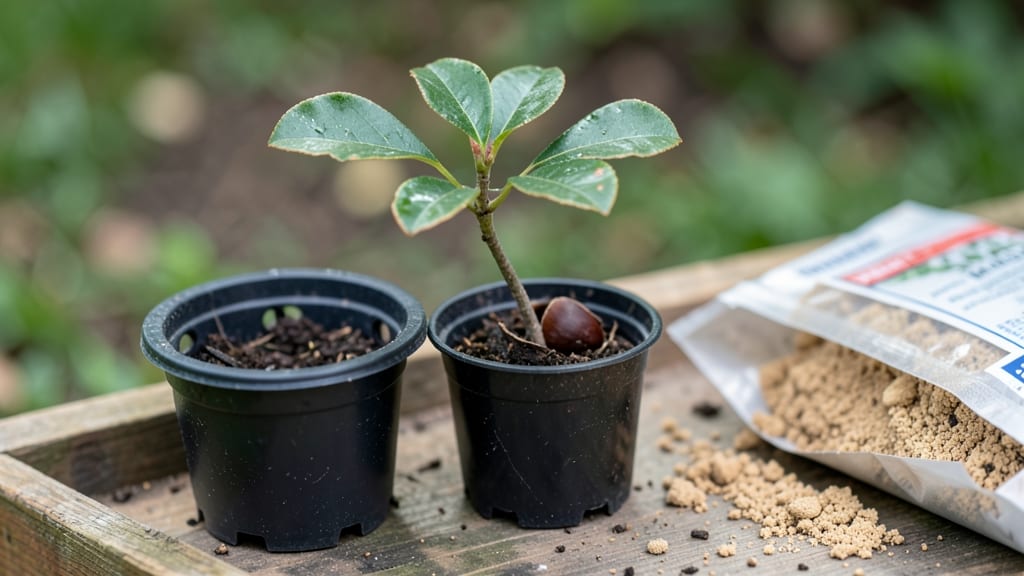
Planting an oak seed 🌳 is the start of a journey that could yield a towering shade tree in your lifetime—but only if you handle the germination process just right.
Growing an oak tree from seed is a rewarding long-term project—but without proper cold stratification, your germination rates could plummet below 20%. Here’s how to break dormancy and achieve 80% success with oak seeds, even as a beginner.
Most gardeners skip the cold treatment step, thinking it’s too complicated. The truth? Oak seeds need a 60- to 90-day cold period to mimic winter conditions, and without it, they’ll sit stubbornly in the soil for years—or never sprout at all.
In this guide, I’ll walk you through the exact steps for sourcing acorns, stratifying them correctly, and planting them in USDA Zone 6a for the best results. By spring, you could have a thriving seedling ready to grow into the majestic tree you’ve always wanted.

Cold stratification process for oak seeds: step-by-step guide to break dormancy
Oak seeds—like acorns—naturally resist sprouting until they’ve experienced winter’s cold, a process called dormancy. Without cold stratification, germination rates drop to just 10-20%. Mimicking nature’s winter conditions artificially boosts success to 80% or higher.
This 3-phase method ensures your oak seeds break dormancy and sprout like they would in the wild.
Traditional methods like planting acorns directly in fall often fail because they lack the consistent moisture and precise temperature control needed. Cold stratification mimics nature’s winter cycle—moist chilling for 60-90 days at 35-45°F (2-7°C)—to trick seeds into thinking spring has arrived.
Without this step, seeds may rot or remain dormant indefinitely.
Here’s how to replicate nature’s perfect conditions in your garage, fridge, or outdoor cold frame. Each phase—preparation, stratification, and planting—plays a critical role in breaking dormancy. Follow these steps closely to maximize your oak seed germination success.
How to Cold Stratify Oak Seeds
-
Step 1: Harvest and Prepare Acorns
Collect mature acorns (fully brown, hard shells) in fall. Remove the acorn cap and soak overnight in water to soften the shell. Drain and let dry slightly before proceeding.
-
Step 2: Moist Stratification Medium
Fill a container with a mix of 50% perlite and 50% peat moss (or coconut coir). Moisten until damp (like a wrung-out sponge). Place acorns 1 inch apart and cover with 1 inch of the medium.
-
Step 3: Cold Storage (60-90 Days)
Store the container in a refrigerator (35-45°F) or unheated garage (consistent temps). Check moisture weekly—add water if the medium dries. White oaks need 90 days; red oaks require 60 days of stratification.
-
Step 4: Warmth to Trigger Germination
After stratification, move the container to a warm (65-75°F) location. Germination typically starts in 2-4 weeks. Keep the medium moist but not soggy—roots emerge first, followed by the sprout.
-
Step 5: Plant Out Seedlings
Once seedlings have 2-3 true leaves (not cotyledons), transplant them into individual pots or directly into well-drained soil outdoors. Harden off for 1 week before planting in spring.
⏱️ Total Time: 3-4 months (stratification + germination)
For best results, start stratification in late fall (October-November) to plant seedlings in early spring. This timing aligns with oak trees’ natural growth cycle. If you miss the window, don’t worry—you can stratify acorns anytime and plant later, but germination may take slightly longer.
One common mistake is overwatering during stratification, which can cause mold. Always ensure the medium is moist but not waterlogged. Another pitfall is inconsistent temperatures—fluctuations above 50°F can break dormancy prematurely, leading to rot. Use a thermometer in your fridge or garage to monitor conditions.
Once your oak seedlings sprout, they’ll grow 1-2 feet in their first year if given full sun and well-draining soil. Remember, oak trees are a 20-year investment—patience is key! With proper cold stratification, you’ll set your seedlings up for a lifetime of growth and shade.
🌱
Best oak seed varieties for home planting: germination rates and growth habits compared
If you're ready to grow your own oak tree from seed, choosing the right variety is key to success. White oak, red oak, and pin oak seeds each have unique germination rates and growth habits that impact your long-term results.
For beginners, white oak seeds often deliver the highest germination rates when properly stratified, while red oak seeds grow faster in their early years.
Understanding these differences helps you set realistic expectations. Pin oak seeds, for example, require slightly longer stratification but adapt well to urban environments. Meanwhile, white oak seeds take longer to mature but develop stronger disease resistance.
Let’s compare their key traits to help you pick the best fit for your garden.
Comparison Table: Oak Seed Varieties
Germination & Growth Characteristics
| Variety | Germination Rate | Stratification Time | Growth Speed (Early Years) | Best For |
|---|---|---|---|---|
| White Oak (Quercus alba) | 75-85% | 60-90 days | Moderate (1-2 ft/year) | Disease resistance, long-term shade |
| Red Oak (Quercus rubra) | 65-75% | 45-75 days | Fast (2-3 ft/year) | Quick canopy, urban areas |
| Pin Oak (Quercus palustris) | 60-70% | 75-105 days | Moderate-Fast (1.5-2.5 ft/year) | Compact growth, wet soils |
For fastest early growth, red oak seeds are ideal—they sprout quicker and reach 2-3 feet in their first year with proper care.
However, if you prioritize disease resistance and long-term shade, white oak seeds are worth the extra stratification time. Pin oak seeds strike a balance but thrive best in moist, well-drained soils, making them perfect for low-lying garden spots.
When planting, always use well-drained soil and full sun exposure for all varieties. White oaks tolerate drought better once established, while red oaks need consistent moisture in their early years. If you’re in a USDA Zone 6 or higher, all three varieties will flourish with minimal winter protection.
Pro tip: Collect acorns in late fall (October-November) for the best germination potential. Store them in a cool, moist environment until you start stratification. With patience and the right variety, you’ll see saplings emerge within 6-12 months, setting the stage for a majestic oak tree in your landscape.
🌰