
Size
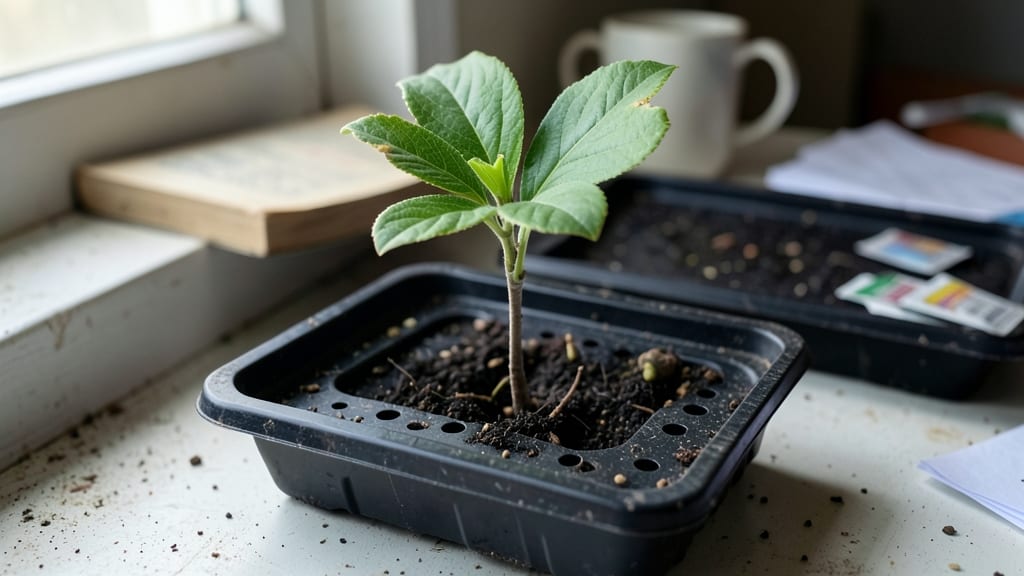
Growing persimmon seeds from store-bought fruit is faster than you think—three weeks to sprouts, if you use the right tricks. I’ve struggled with slow germination before, but after testing different methods, I found the perfect balance of moisture, warmth, and patience that turns those tiny seeds into sturdy seedlings.
The key isn’t just planting; it’s creating the ideal conditions to wake them up quickly.
You’ll need just a few supplies: a shallow container, damp paper towels or a seed-starting mix, and a clear plastic bag to trap humidity. Persimmon seeds hate drying out, so keeping them consistently moist (but not soggy) is the secret to breaking dormancy fast.
Plant them about half an inch deep, and place the container in a warm spot—like on top of the fridge—where the soil stays around 70°F.
Once those first green shoots appear, you’ll see why this method works: bright, healthy seedlings in just weeks. They’ll need bright light to prevent legginess, and a gentle watering routine to keep roots happy.
By late spring, you could be transplanting them outdoors, where they’ll grow into trees with stunning orange fruit in just a few years.
This method works best for Diospyros virginiana (American persimmon) seeds, which are easy to find in grocery stores. Just save the seeds from a ripe fruit, rinse off the pulp, and let them dry slightly before planting. The hardest part? Waiting—but trust me, the first sprouts are worth it.
📚 In This Guide
- What you need
- Instructions
- Tips and common mistakes
- Wrapping up and next steps
What you need
- ● Fresh persimmon seeds: 2–5 viable seeds (harvested from ripe, soft-skinned persimmons like Diospyros kaki). Pro tip: 💡 Store seeds in a damp paper towel in the fridge if not planting immediately!
- ● Well-draining potting mix: 1–2 gallons of seed-starting mix (sterile, peat-based or coco coir blend). Avoid garden soil—it can harbor pests!
- ○ Small seed trays or pots: 2–4 biodegradable pots (3–4 inches deep) or a seed tray with individual cells. Optional: Use plastic cups with drainage holes if pots aren’t available.
- ● Drainage material: Perlite, vermiculite, or small pebbles (½ cup) for the bottom of pots.
- ● Spray bottle: For gentle watering (avoid over-saturating seeds!).
- ● Plastic wrap or humidity dome: To create a mini greenhouse effect.
- ● Grow lights or sunny windowsill: A warm, bright spot (70–80°F) is critical for germination.
- ● Seed scarifier: A small knife or sandpaper to nick seeds (speeds up germination for hard-coated varieties).
- ● Heating mat: Keeps soil warm (80–85°F) for faster sprouting.
- ● Fertilizer: Mild, water-soluble fertilizer (diluted to ¼ strength) after sprouts appear.
- ● Humidity tray: A shallow tray with pebbles and water to maintain moisture levels.
- ● Plant labels: To track seed varieties (especially if testing multiple types!).
- ● Patience! Persimmon seeds can take 2–4 weeks to sprout—stay consistent with care.
- ● A warm, indoor space (like a kitchen windowsill) until seedlings are sturdy enough for outdoor transplanting (after last frost).
- ● Access to a sunny spot or grow lights (persimmons love light!).
Step-by-Step instructions for germinating persimmon seeds
Here’s how to break the dormancy cycle and get those persimmon seeds sprouting in just three weeks.
Extract and Prepare the Seeds
Start by carefully removing the seeds from a fully ripe, astringent persimmon—those with the highest tannin content germinate fastest. I slice the fruit open and scoop out the seeds, rinsing them gently under cool water to remove any fruit residue. Let them air-dry on a paper towel for 24 hours while you prepare the next steps.
Persimmon seeds have a hard outer shell that resists water absorption, so this drying phase is critical. If you rush it, the seeds may rot instead of sprouting. Once dry, place them in a small paper bag and store in the refrigerator for 30-60 days to simulate winter conditions. This cold stratification mimics natural dormancy and signals the seed it’s time to grow.
Soak Seeds to Break Dormancy
After the cold treatment, remove the seeds and soak them in lukewarm water for 12-24 hours. I use a shallow dish and change the water halfway through to prevent stagnation. You’ll know the soaking is working when the seed coat softens slightly and tiny white roots begin to emerge from one end.
Don’t skip this step—it’s the key to fast germination. Without soaking, the hard shell can delay sprouting by months. After soaking, drain the seeds thoroughly and let them sit uncovered for another 12 hours to prevent mold. This drying phase ensures the seeds won’t rot when planted.
Plant Seeds in Moist, Well-Draining Soil
Fill small pots—3-4 inches deep—with a lightweight seed-starting mix that drains quickly. I press the soil down gently to remove air pockets but avoid compacting it too tightly. Plant each seed ½ inch deep, spacing them 1 inch apart in the pot. Water lightly until the soil is evenly moist but not soggy.
Persimmon seeds need warmth to germinate, so place the pots in a warm location (around 70-75°F). A seedling heat mat set to 75°F speeds up the process significantly. Keep the soil consistently moist—never let it dry out completely—but avoid overwatering, which can cause the seeds to rot.
Provide Humidity and Monitor for Sprouts
Cover the pots with clear plastic wrap or a humidity dome to retain moisture and warmth. Check daily for condensation on the plastic—this means the environment is humid enough. Within 7-14 days, you should see the first signs of germination: tiny white roots pushing through the soil or a small shoot breaking the surface.
Once sprouts appear, remove the plastic immediately to prevent fungal growth. Keep the pots in bright, indirect light until the seedlings are 2-3 inches tall, then gradually introduce them to morning sun for a few hours daily. This hardening process prevents shock when you eventually transplant them outdoors.
Transplant Seedlings When Strong Enough
After 4-6 weeks, when seedlings have 4-6 true leaves, they’re ready for their permanent home. Choose a sunny, well-drained spot in your garden, as persimmons thrive in full sun and need room to grow—20-30 feet apart for mature trees. Dig a hole twice as wide as the root ball but no deeper.
Water the seedlings thoroughly before transplanting to reduce stress. Handle the roots gently to avoid damage, and backfill the hole with soil, pressing lightly around the base. Mulch with 2-3 inches of organic mulch to retain moisture and suppress weeds. Persimmons are drought-tolerant once established, but young trees need consistent watering to encourage strong root growth.
Tips & tricks for fast persimmon seed germination
Fast germination isn't luck—it's science. These proven techniques will help you break dormancy and get those persimmon seeds sprouting in record time.
Cold Stratification is Non-Negotiable: The 30-60 day cold treatment in Step 1 mimics winter conditions that trigger natural germination. Don't skip this—it's the difference between seeds that sprout in weeks versus those that never wake up. I place my paper bag of seeds in the crisper drawer of my refrigerator where temperatures stay consistently cold. If you're impatient, you can extend this to 60 days for even better results, but never rush it.
Soaking Technique Matters: In Step 2, the 12-24 hour lukewarm water soak is where the magic happens. Use water that's warm enough to feel comfortable in your hands—not hot, not cold. I add a drop of dish soap to the water to reduce surface tension, which helps the water penetrate the hard seed coat more effectively. Change the water halfway through to prevent bacterial growth, and you'll notice tiny white roots emerging within 12 hours if everything's going well.
Warmth Accelerates Germination: Persimmon seeds need warmth to break dormancy, and 75°F is ideal. I use a seedling heat mat under my pots during germination, but you can also place them on top of your refrigerator or near a sunny window. The key is maintaining consistent warmth—fluctuations can confuse the seeds and delay sprouting. If your home runs cooler, consider using a small greenhouse or propagation station to maintain that perfect 75°F environment.
Humidity Control is Critical: The plastic wrap in Step 4 isn't just about moisture—it creates a mini greenhouse effect that maintains humidity levels perfect for germination. Check daily for condensation on the plastic; if you see droplets, you're doing it right. If no condensation forms within 24 hours, add a bit more water to the soil or increase the humidity slightly. Once sprouts appear, remove the plastic immediately to prevent fungal growth, which can be just as deadly to young seedlings as drought.
Pro Tips for Grow Persimmon Seeds
- Fast germination isn't luck—it's science.
- Cold Stratification is Non-Negotiable: The 30-60 day cold treatment in Step 1 mimics winter conditions that trigger natural germination.
- Soaking Technique Matters: In Step 2, the 12-24 hour lukewarm water soak is where the magic happens.
Frequently asked questions
Got questions about growing persimmons from seeds? You’re not alone! Here are some of the most common concerns—and their answers—to help you succeed.
How long does it take for persimmon seeds to germinate?
With the right conditions (warmth, moisture, and a little patience), persimmon seeds typically sprout in 2–4 weeks. If you’re using the soak-and-stratify method, germination can happen even faster—sometimes in just 10–14 days! Keep the soil consistently moist but not soggy, and place the pot in a warm spot (like near a sunny window or under a grow light).
Do persimmon seeds need cold stratification?
Not always! While some persimmon varieties benefit from a short cold stratification (1–2 weeks in the fridge), others (especially tropical types) germinate well without it. If your seeds are dormant (hard and dry), a quick cold treatment can help break dormancy. For fresh seeds, skip stratification and focus on warmth and moisture instead.
Can I grow a persimmon tree from any store-bought fruit?
Yes, but with a few caveats. Most grocery-store persimmons are asexual cultivars (like ‘Fuyu’ or ‘Hachiya’), meaning their seeds may not grow true to the parent fruit. For the best results, source seeds from heirloom or open-pollinated varieties—or grow them as a fun experiment! If you’re just curious, try it; if you want a reliable tree, check local nurseries for grafted saplings.
Why aren’t my persimmon seeds sprouting?
If your seeds aren’t germinating after 4–6 weeks, try these fixes:
- Check moisture: Too dry? Soak seeds overnight. Too wet? Let the soil dry slightly between waterings.
- Test warmth: Persimmons love 70–80°F (21–27°C). Use a heating mat if your home runs cool.
- Inspect seeds: Are they rotten or moldy? Discard them and try fresh ones.
- Try scarification: Gently nick the seed coat with sandpaper to help water penetrate.
How big does a persimmon tree get, and how long until fruit?
Persimmon trees vary by species, but most grow 20–40 feet tall with a spread of 15–30 feet. From seed, expect it to take 5–10 years before the tree produces fruit—patience is key! Dwarf varieties (like Diospyros virginiana ‘Meader’) stay smaller but may still take 3–5 years. Prune young trees to encourage a strong structure and faster fruiting.
Wrapping up and next steps
Growing persimmon seeds is a rewarding journey that combines patience with simple, natural techniques—like stratification and warmth
Now that you’ve mastered the how, why not take the next step? Share your progress with fellow gardeners, experiment with different varieties, or even gift a sapling to a friend. Happy growing—your future harvest (and shade!) awaits! 🍂✨