
Size
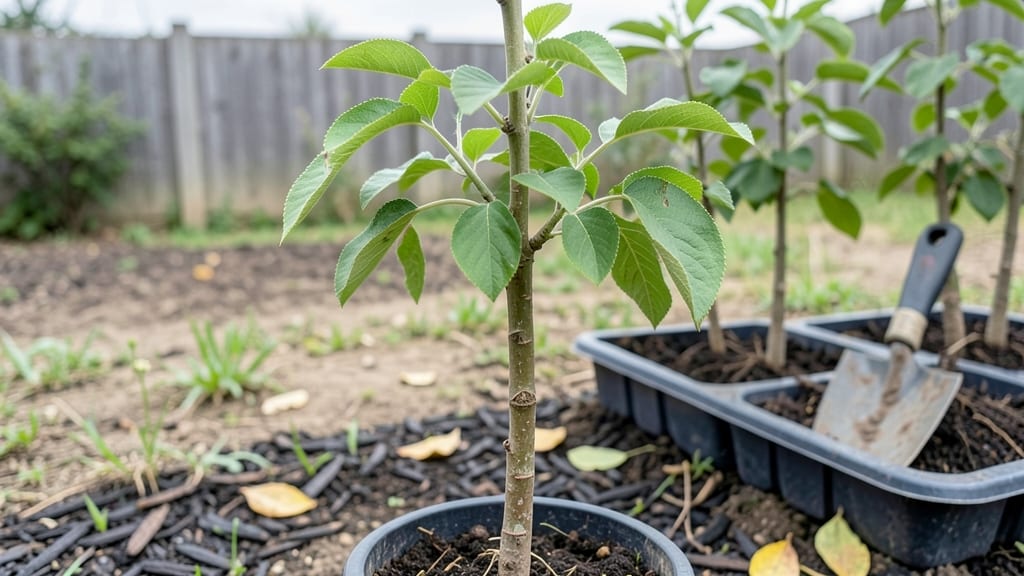
Growing a sugar apple tree from seeds means turning grocery store scraps into a tropical fruit tree that could produce fruit in 5-7 years—if you’re patient enough. 🌱 I’ve tried this twice, and while the first attempt died from overwatering, the second thrived because I learned the slow, steady rhythm these trees demand.
They’re not fast growers, but the satisfaction of watching a seedling become a fruit-bearing tree is worth every wait.
The key is mimicking their natural habitat: warm temperatures, bright indirect light, and well-draining soil. Start seeds in a mix of 50% peat moss and 50% perlite, keep them in a sealed plastic bag to trap humidity, and place them near a sunny window or under a grow light.
Sugar apples love heat—70-85°F is ideal—and they’ll bolt if temperatures drop below 50°F. Patience is your best tool here; germination can take 2-4 weeks, and the first few years are all about root and trunk development.
By year three, you’ll see real growth—3-6 feet tall with glossy, deep-green leaves—but don’t expect fruit for another 2-4 years. The trees will reward you with custard-like fruit that’s sweeter than store-bought, though seed-grown varieties might not match the uniformity of grafted trees.
Still, the journey from seed to harvest is part of the magic. With the right care, you’ll end up with a tree that’s as much a conversation piece as it is a fruit producer.
This method works best in USDA zones 10-11, but container growers in cooler climates can keep them indoors year-round with supplemental light. If you’re in a colder zone, treat it like a houseplant in winter—just bring it back outside when temperatures rise.
The biggest mistake? Rushing the process. Sugar apples grow at their own pace, and forcing them along only leads to disappointment. Let them stretch toward the sun, and they’ll repay you with lush foliage and, eventually, those prized fruits.
📚 In This Guide
- What you need
- Instructions
- Tips and common mistakes
- Wrapping up and next steps
What you need
- ● Sugar apple seeds: 3–5 fresh, plump seeds (harvested from ripe fruit). Pro tip: 💡 Soak seeds in warm water for 24 hours to speed up germination!
- ○ Seed-starting pots or small containers: 3–4 (4–6 inches deep) with drainage holes. Optional: Use biodegradable pots for easy transplanting.
- ● Well-draining potting mix: 1–2 bags (sterilized, peat-based or coconut coir blend). Mix in: 20% perlite or vermiculite for aeration.
- ● Plastic wrap or humidity dome: To retain moisture while seeds germinate.
- ● Spray bottle: For gentle watering (avoid over-saturating soil).
- ● Grow lights or sunny windowsill: A south-facing window or LED grow light (12–16 hours/day).
- ● Fertilizer: Balanced liquid fertilizer (e.g., 10-10-10) or organic compost tea (diluted).
- ● Tweezers or toothpick: For handling tiny seeds without damaging them.
- ○ Heating mat (optional): Warms soil to 75–85°F (24–29°C) to boost germination speed.
- ● Humidity tray: A shallow tray with pebbles and water to increase moisture levels.
- ● Pruning shears: For trimming leggy seedlings later.
- ● Larger container (5+ gallons): For transplanting seedlings once they outgrow starter pots.
- ● Mulch (e.g., shredded bark): Helps retain soil moisture in permanent planting spots.
Step-by-step instructions for growing sugar apple seeds
Turn those kitchen scraps into a tropical tree with this simple method.
🌱 Step 1: Extract and Prepare the Seeds
Start by cutting open a fresh sugar apple (also called sweet sop) and scooping out the seeds. You’ll find them embedded in the fruit’s pulp—gently rinse them under lukewarm water to remove any remaining fruit residue. I like to spread them on a paper towel to dry for 24 hours at room temperature. This prevents mold and makes them easier to handle.
Once dry, place the seeds in a small container with a damp paper towel. Fold the towel to cover them completely, then seal the container with plastic wrap. Store this setup in a warm, dark place—like your fridge’s crisper drawer—to simulate the tropical conditions they need. Check the towel every few days; it should stay moist but not soggy. You’ll see tiny sprouts in 2-4 weeks.
🪴 Step 2: Plant the Sprouted Seeds
When the sprouts are about 1-2 inches tall, carefully transplant them into small pots filled with a mix of 50% potting soil and 50% perlite. I use 4-inch pots for each seedling to give roots room to establish. Make a small hole with your finger, place the sprout in, and cover the root with soil, pressing gently to secure it.
Water lightly until the soil is evenly moist but not waterlogged. Sugar apple seedlings hate soggy roots, so ensure your pots have drainage holes. Place the pots in a warm, sunny spot—like a greenhouse or a south-facing windowsill—where temperatures stay above 65°F. Keep the soil consistently moist by watering every 2-3 days until new leaves appear.
☀️ Step 3: Transition to Larger Pots and Outdoor Conditions
Once the seedlings have 4-5 true leaves and are about 6 inches tall, it’s time to upgrade them to 1-gallon pots. Use the same soil mix and gently loosen the roots before transferring. This step is crucial—sugar apple trees grow fast, and they need space to develop strong root systems. Water thoroughly after repotting to help the soil settle around the roots.
If you live in a tropical or subtropical climate, you can gradually acclimate the seedlings to outdoor conditions after 2-3 weeks in their new pots. Start by placing them in a shaded area for 2-3 hours daily, then slowly increase their exposure to morning sun over 10-14 days. Watch for signs of stress, like wilting or yellowing leaves—if you see these, move them back to shade and extend the acclimation period.
⏰ Step 4: Maintain Growth and Prepare for Long-Term Care
After the seedlings adjust to outdoor conditions, keep them in 1-gallon pots for another 3-4 months before transplanting into the ground or larger containers. Sugar apple trees thrive in well-draining soil with plenty of organic matter. If planting outdoors, choose a spot with partial shade to full sun and protect them from strong winds, which can damage their delicate leaves.
Water deeply once a week, ensuring the soil stays moist but not waterlogged. Fertilize lightly every 2 months with a balanced, slow-release fertilizer to encourage healthy growth. With patience, your sugar apple seedlings will grow into a lush tropical tree—ready to produce fruit in 5-7 years.
Tips & tricks for growing sugar apple seeds
Turn your kitchen scraps into a thriving tropical tree with these essential tips that'll help you avoid common pitfalls and maximize success.
Seed Preparation: The 24-hour drying period in Step 1 is crucial for preventing mold—don't rush this step! I've learned the hard way that damp seeds can develop fungal issues before they even sprout. After drying, store your seeds in a sealed container with a damp paper towel in a warm, dark place like your fridge's crisper drawer. This mimics tropical humidity while keeping them safe from light, which can inhibit germination.
Germination Conditions: Those 2-4 weeks of waiting can feel endless, but consistency is key. Check your seeds every few days to ensure the paper towel stays moist but not soggy—this balance is what triggers germination. If you notice mold or a foul smell, it's time to refresh the towel and adjust your moisture levels. The warm, dark environment is essential for mimicking tropical conditions these seeds need to thrive.
Transplanting Strategy: When your sprouts reach 1-2 inches in Step 2, choose your pots carefully. I recommend 4-inch pots with drainage holes to prevent root rot, which sugar apple seedlings are particularly susceptible to. Gently loosen the roots before transferring to minimize shock—this helps establish a strong root system right from the start. The 50/50 soil-perlite mix provides the perfect balance of moisture retention and aeration.
Acclimation Wisdom: The gradual transition to outdoor conditions in Step 3 is where many growers struggle. Start with just 2-3 hours of shade daily, then slowly increase sun exposure over 10-14 days. Watch for wilting or yellowing leaves—they're your plant's way of saying "too much, too soon." If you see these signs, move your seedlings back to shade and extend the acclimation period. Patience here pays off with healthier plants that adapt better to their new environment.
Pro Tips for Grow Sugar Apple Seeds
- Turn your kitchen scraps into a thriving tropical tree with these essential tips that'll help you avoid common pitfalls and maximize success.
- Seed Preparation: The 24-hour drying period in Step 1 is crucial for preventing mold—don't rush this step!
- Germination Conditions: Those 2-4 weeks of waiting can feel endless, but consistency is key.
Frequently asked questions
Got questions about growing sugar apple from seeds? You’re not alone! Here are some of the most common concerns—and their straightforward answers—to help you succeed with your tropical tree.
How long does it take for sugar apple seeds to germinate?
Germination can take anywhere from 2 to 6 weeks, depending on temperature and moisture. Keep the soil consistently damp (not soggy) and warm—aim for 70–85°F (21–29°C). Patience is key; some seeds may take longer, especially if stored improperly before planting.
When will my sugar apple tree produce fruit?
Sugar apple trees grown from seed are slow to bear fruit—typically 5 to 10 years or longer. For faster results, consider grafting a mature variety onto your seedling. Even then, tropical climates with high humidity and warm temperatures year-round are essential for fruiting.
Can I grow sugar apple indoors?
While possible, sugar apple trees thrive best outdoors in tropical or subtropical zones (USDA 10–12). If you’re in a cooler climate, start seeds indoors under grow lights and transplant outdoors once temperatures stay above 50°F (10°C). A large container (15+ gallons) works for indoor growth, but expect slower, stunted development.
Why aren’t my sugar apple seeds sprouting?
Try these fixes if your seeds refuse to germinate:
- Check seed viability: Soak seeds in warm water for 24 hours—if they float, they’re likely dead.
- Adjust moisture: Overwatering can suffocate seeds; ensure soil is damp, not waterlogged.
- Warmth matters: Use a seedling heat mat (75–85°F) if your home is too cool.
- Scarify the seed: Gently nick the hard outer shell with sandpaper to help water penetrate.
How big does a sugar apple tree get?
Mature sugar apple trees can reach 30 to 50 feet tall in ideal conditions, but container-grown trees stay between 10–15 feet. Prune young trees to encourage bushier growth and manageable height. If space is limited, dwarf varieties (like ‘Ice Cream’ sugar apple) may be a better fit.
Wrapping up and next steps
Growing a sugar apple tree from seeds is a rewarding journey that connects you to nature’s sweetest surprises! 🌱 With patience, the right conditions, and a little care, you can transform a humble kitchen scrap into a thriving tropical fruit tree.
Whether you’re a beginner or a seasoned gardener, every step—from seed preparation to nurturing seedlings—brings you closer to harvesting your own delicious, fragrant fruit.
Ready to take the next step? Start small: plant your seeds today and watch your green thumb grow! Share your progress with fellow plant enthusiasts or explore advanced techniques like grafting to boost your tree’s fruit-bearing potential. The tropics are waiting—your sugar apple adventure begins now! 🌴✨