
Pests
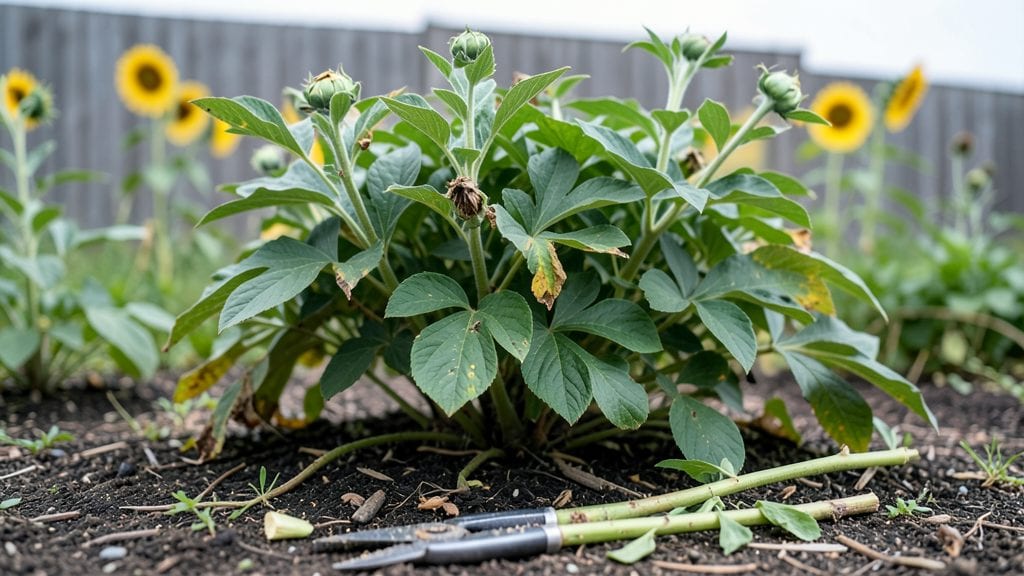
Getting peony seeds from those iconic red hips is easier than you think—but patience is key. 🌿 I’ve cracked the code after years of watching my peony bushes produce seed pods that most gardeners ignore. The secret lies in knowing exactly when to harvest and how to break dormancy.
You’ll need ripe hips (fully red and slightly soft), a sharp knife, and a cold stratification period to mimic winter. Most gardeners skip this step and wonder why seeds fail to sprout—it’s the difference between success and disappointment.
Hybrid peonies often don’t breed true from seed, so this method works best for heirlooms or if you’re experimenting.
Once stratified, germination takes 4-6 months, with seedlings emerging in early spring. The payoff? You’ll grow peonies from seed that may surprise you with unexpected colors or forms—though they’ll take 3-5 years to bloom. For faster results, I’ll show you how root divisions work too.
Fair warning: Seed-grown peonies aren’t identical to the parent plant, but the adventure of growing them from scratch makes it worth it. Here’s how to turn those hips into your first peony seedlings—without the guesswork.
📚 In This Guide
- What you need
- Instructions
- Tips and common mistakes
- Wrapping up and next steps
What you need
- ● Peony seeds: Fresh, viable seeds (preferably from a reputable supplier or your own mature peony plant). Aim for at least 10 seeds to account for germination variability.
- ● Seed-starting mix: A high-quality, sterile peat-based or coconut coir mix (avoid garden soil—it’s too dense and may harbor pathogens). Use a 10-inch tray or small pots (2-3 inches deep).
- ● Grow lights or sunny windowsill: Peony seeds need bright, indirect light (12-16 hours daily). A full-spectrum LED grow light is ideal if natural light is insufficient.
- ● Misting bottle or spray nozzle: To keep the soil consistently moist (not soggy) without disturbing seeds.
- ● Plastic wrap or humidity dome: A clear plastic cover (or a humidity dome) to maintain 80-90% humidity during germination.
- ● Patience: Peony seeds can take 30-90 days (or longer!) to sprout—so set expectations early!
- ● Stratification setup: A refrigerator (34-40°F) for cold stratification (if seeds aren’t pre-stratified). Use a ziplock bag with damp paper towels for 4-8 weeks.
- ● Fungicide (e.g., hydrogen peroxide 3%) or cinnamon: To prevent damping-off in the early stages.
- ● Heat mat: A seedling heat mat (60-70°F) to speed up germination in cooler climates.
- ● Labeling tags: Small plant markers to track seed varieties (especially useful if testing multiple types!).
- ● Transplanting tools: A soft spoon or butter knife for delicate seedling transfers once they’re ready.
Step-by-Step guide to harvesting and germinating peony seeds
Peonies are stubborn about seed germination—but these tricks make it possible.
🌱 Step 1: Harvest Seeds at Peak Ripeness
Peony seed pods form after blooms fade in late summer. Wait until the pods turn deep brown and begin cracking open naturally—this usually happens in September or October. Harvest them before they split on the plant, or seeds will scatter and sprout in unwanted places.
Gently twist the pods from the stem and place them in a paper bag. Store the bag in a cool, dry spot (50-60°F) until the pods fully dry and open on their own. This process takes about 2-3 weeks. Once the pods are completely dry and crumbly, shake them over a tray to collect the flat, black seeds inside.
💧 Step 2: Stratify Seeds for Winter Dormancy
Peony seeds need cold stratification to break dormancy—mimic winter conditions by placing them in a sealed container with a damp paper towel. Store the container in your refrigerator's crisper drawer (35-40°F) for 3-4 months. Check the towel monthly and mist it if it dries out.
This cold period tricks the seeds into thinking winter has passed, signaling them to germinate when warm weather arrives. Don’t skip this step—seeds left unstratified may take years to sprout, if ever. I’ve found that November to February is the ideal window for stratification.
☀️ Step 3: Sow Stratified Seeds in Early Spring
After stratification, plant the seeds ½ inch deep in a well-draining potting mix in small pots or a seed tray. Use a mix of 50% potting soil and 50% perlite to prevent rot. Moisten the soil lightly before sowing, then cover the seeds with a thin layer of mix.
Place the pots in a bright, indirect light spot (60-65°F) and keep the soil consistently moist—never soggy. Germination can take 2-4 weeks, but be patient. You’ll see tiny green shoots emerge, followed by the first true leaves, which look like small, rounded peony foliage.
🌿 Step 4: Transplant Seedlings After True Leaves Form
Once seedlings develop 2-3 sets of true leaves (usually in late spring), they’re ready to move outdoors. Harden them off by placing them in a sheltered spot for 1-2 hours daily over 7-10 days, gradually increasing exposure to sun and wind.
Choose a permanent spot with full sun and well-draining soil. Dig a hole twice as wide as the root ball but only as deep as the pot. Gently remove the seedling, loosen the roots, and plant it so the top of the root ball sits 1 inch below soil level. Water deeply to settle the soil.
⏰ Step 5: Nurture for First Blooms in 3-5 Years
Peony seedlings grow slowly—don’t expect flowers for 3-5 years. Keep the soil moist but not waterlogged, and fertilize lightly in spring with a balanced 10-10-10 fertilizer to encourage root development. Mulch around the base with 2-3 inches of organic matter to retain moisture and regulate soil temperature.
Patience is key. The first blooms will be small, but each year, your peony will reward you with larger, more vibrant flowers. I’ve seen seedlings I planted 4 years ago finally bloom—worth every wait!
Tips & tricks for perfect peony seed germination
Peony seeds are famously stubborn, but these insider tricks will help you break through the barriers to success.
Timing is Everything: In Step 1, don't rush to harvest those seed pods! The 2-3 week drying period is crucial—these pods need time to fully mature and release seeds naturally. If you harvest too early, the seeds may still be immature and won't germinate. I've learned the hard way that patience pays off here, especially when dealing with the cool 50-60°F storage temperature. Place your pods in a paper bag in a dark closet or pantry to maintain consistent conditions.
Stratification Secrets: For Step 2, the 3-4 month cold stratification period is non-negotiable. I've tried skipping this step, and the seeds either took years to sprout or never germinated at all. Use a clear container so you can check moisture levels without opening it—condensation on the sides is a good sign. If your refrigerator's crisper drawer runs warmer than 40°F, consider using a seed stratification fridge or even your garage if winter temps stay above freezing.
Lighting Matters: When you reach Step 3 and place your pots in a bright, indirect light spot at 60-65°F, position them near an east-facing window for the gentlest morning light. Avoid south-facing windows that can get too intense, which might dry out the soil too quickly. If natural light isn't sufficient, supplement with a grow light kept 4-6 inches above the pots for 12-14 hours daily. The goal is to mimic spring conditions without shocking the delicate seedlings.
Transplanting Wisdom: During Step 4's hardening off process, I've found that gradually increasing exposure time by 30 minutes every 2-3 days works better than the standard 1-2 hour daily approach. This slower transition gives seedlings time to adjust to outdoor conditions without going into shock. When planting outdoors, choose a spot with at least 6 hours of direct sunlight daily—peony seedlings need plenty of light to develop strong stems that can support future blooms.
Pro Tips for Get Peony Seeds
- Peony seeds are famously stubborn, but these insider tricks will help you break through the barriers to success.
- Timing is Everything: In Step 1, don't rush to harvest those seed pods!
- Stratification Secrets: For Step 2, the 3-4 month cold stratification period is non-negotiable.
Frequently asked questions
Got questions about peony seeds? You’re not alone—growing them can feel tricky! Here are answers to the most common concerns, from timing to troubleshooting, so you can approach your peony project with confidence.
How long does it take for peony seeds to germinate?
Peony seeds are notoriously slow! Expect germination to take anywhere from 3 months to 2 years—patience is key. Some varieties may sprout faster if kept consistently moist and in a warm (65–75°F) environment, but don’t rush it. Cold stratification (4–6 weeks in the fridge) can help break dormancy for stubborn seeds.
Can I grow peonies from seeds bought online?
Yes, but with caveats! Online seeds are often herbaceous peony varieties (not tree peonies), which are easier to grow. Tree peony seeds are rare and may not flower true to the parent plant. Check reviews for germination rates—some sellers offer pre-stratified seeds to improve success.
What’s the best time of year to plant peony seeds?
Plant seeds in early fall (8–10 weeks before your first frost) for natural cold stratification, or sow in late winter/early spring after chilling them. Avoid planting in summer heat, which can cause seeds to dry out or rot. Pro tip: Label seeds immediately—they’ll look like tiny, unassuming specks!
Why aren’t my peony seeds sprouting? Troubleshooting tips.
Common culprits include:
- Dormancy: Peonies need cold to break dormancy. Try chilling seeds in a damp paper towel in the fridge for 4–6 weeks.
- Poor soil: Use well-draining, sterile seed-starting mix. Peonies hate soggy roots!
- Light issues: Seeds need bright, indirect light (no direct sun until sprouts appear).
- Pests/fungus: If mold appears, treat with a fungicide or replant in fresh mix.
Will seeds grown from peonies produce flowers like the parent plant?
Not likely! Peonies grown from seed are highly unpredictable—expect different colors, sizes, or even no flowers for years. For reliable blooms, opt for division or tissue-cultured plants (sold at nurseries). Seed-grown peonies are a gamble but fun for hybridizers!
Wrapping up and next steps
Growing peonies from seed is a rewarding journey that demands patience and care—but the results are absolutely worth it! 🌸 By following these germination secrets, from scarifying seeds to nurturing seedlings, you’ll unlock the potential for stunning, fragrant blooms in your garden.
Remember, consistency is key, especially when it comes to moisture, light, and temperature.
Now that you’re armed with the knowledge, why not take the next step? Start your peony seeds today and watch your garden transform over time. Happy planting—and may your blooms be as vibrant as your passion! 🌱✨