
Trees
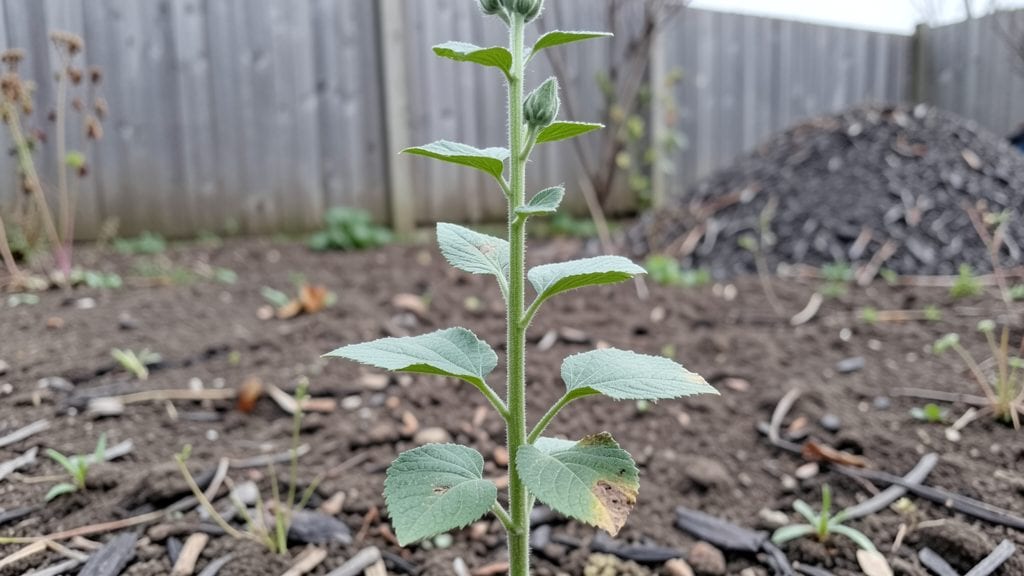
The identification of a hollyhock seedling before it bolts into weeds is half the battle won—🌱 I’ve spent years watching these delicate sprouts emerge, first as fuzzy little leaves, then as sturdy stems, only to get confused with lamb’s quarters or wild beet greens.
The key lies in those first leaves: hollyhocks unfurl with hairy, lobed shapes that look like tiny maple leaves, while weeds usually start smooth and simple.
The stems are your second clue: hollyhock seedlings grow velvety and slightly fuzzy, almost like a soft green blanket, while most weeds feel slick or waxy. If you’re still unsure, check the leaf arrangement—hollyhocks grow in alternating patterns, not the clustered look of dandelions or purslane.
A magnifying glass helps, but even a close-up photo can reveal the telltale texture.
Once you spot the right seedlings, give them space to thrive. Thin them to 12-18 inches apart by midseason, and watch as those fuzzy stems harden into towering blooms.
The first year’s growth might be modest, but by summer, you’ll have 6-foot stalks ready to burst with color—if you catch them early enough to avoid the weeds sneaking in.
Confusion usually happens when seedlings get crowded or mixed with annuals like sunflowers. If your patch looks suspicious, pull a few and check the roots: hollyhocks develop a tapered, fibrous system, while weeds often have thin, brittle roots.
Keep a notebook of what you see—next year, you’ll spot them from across the yard.
📚 In This Guide
- What you need
- Instructions
- Tips and common mistakes
- Wrapping up and next steps
What you need
- ● Hollyhock seedlings or plants – At least 3-5 samples for comparison (fresh or dried leaves/stems work too!).
- ● Magnifying glass (10x or higher) – For examining fine details like leaf texture and stem hairiness.
- ● Ruler or measuring tape – To measure leaf width (typically 2–6 inches for hollyhocks) and stem diameter.
- ● Notebook or digital device – For recording observations (leaf shape, vein patterns, stem texture).
- ● Pencil or fine-tip marker – For sketching leaf outlines or marking key features.
- ○ Gloves (optional but recommended) – If handling prickly stems or unknown plants (nitrile gloves work great!).
- ● Camera with macro setting – Capture high-res images of leaf undersides, stems, and buds.
- ● Field guide or plant ID app (e.g., iNaturalist, PlantNet) – For cross-referencing your findings.
- ● Small pruning shears – To safely collect leaf/stem samples without damaging the plant.
- ● Pressing board & dried leaves – For creating a reference collection (use a heavy book for 2–4 weeks).
- ● UV flashlight – Reveals hidden patterns (like glandular hairs) under blacklight.
How to identify hollyhock seedlings by leaf shape and stem
New gardeners often mistake hollyhock seedlings for other plants—here’s how to spot them early.
🌱 Step 1: Examine Leaf Shape for the Classic Hollyhock Pattern
The first clue is the leaf shape. Hollyhock seedlings have lobed, heart-shaped leaves with slightly jagged edges, almost like a miniature oak leaf. Look for 3-5 main lobes per leaf—this is their signature. Young seedlings might start with just one smooth leaf, but the second set will show the telltale lobing.
Real talk: If the leaves are smooth-edged and oval, it’s probably not a hollyhock. I’ve seen beginners confuse them with sunflowers or even dill—those leaves are long and narrow, not lobed. Hold the seedling up to a bright window to see the texture clearly.
🌿 Step 2: Check Stem Texture and Hairiness
Hollyhock stems are covered in fine, soft hairs when young—almost like a fuzzy peach skin. Run your fingers along the stem: if it feels velvety or slightly rough, that’s your confirmation. Smooth, shiny stems belong to other plants like snapdragons or foxgloves.
Here’s the thing—this hairiness fades as the plant matures, so identify seedlings within the first 2-3 weeks before the stems toughen up. If the stem is glossy or bare, double-check the leaves again for those lobes.
✂️ Step 3: Compare Growth Habits to Rule Out Look-Alikes
Hollyhocks grow tall and straight, often reaching 3-5 feet in their first season. Seedlings will shoot up quickly—watch for a single central stem with leaves arranged alternately along it. If you see multiple stems branching at the base, it’s likely a weed or a different plant entirely.
I know it seems weird, but measure the height after 4 weeks. A hollyhock seedling should be at least 6-12 inches tall with 4-6 true leaves. Anything shorter or bushier? Probably not your hollyhock.
💧 Step 4: Test with a Gentle Leaf Touch
Hollyhock leaves are thick and slightly leathery—press a fingernail into one. If it springs back quickly and doesn’t dent easily, that’s a hollyhock. Thin, papery leaves (like those on cosmos or marigolds) will fold or tear under pressure.
This is the moment that matters: water the seedling lightly and observe how the leaves bead up. Hollyhock leaves repel water slightly due to their waxy coating, while other plants absorb moisture evenly. Look for tiny water droplets clinging to the surface.
⏰ Step 5: Wait for Flower Buds (If Still Unsure)
If you’re still guessing after checking leaves and stems, wait 6-8 weeks. Hollyhock seedlings develop tight, rounded buds at the top of the stem before flowering. These buds look like tiny green fists—unlike the spiky, elongated buds of delphiniums or the bell-shaped buds of foxgloves.
Don’t skip this (I learned the hard way). I once pulled out what I thought were weeds, only to realize they were hollyhock buds! If you see those fist-like buds, you’ve got hollyhocks—just give them time to mature.
Tips & tricks for perfect hollyhock seedling identification
Identifying hollyhock seedlings can be tricky, but these key insights will help you spot them with confidence—before they grow beyond recognition.
Leaf Shape Insight: In Step 1, when examining those lobed leaves, focus on the second set of leaves that emerge. The first leaf might be smooth, but the true hollyhock signature appears with the 3-5 lobes—almost like a tiny maple leaf. Pro tip: Hold the seedling near a window and angle it so the light catches the edges. The jagged texture becomes more obvious when backlit.
Timing is Everything: The hairy stems in Step 2 only last for the first 2-3 weeks, so don't wait too long! I've seen gardeners miss this key detail because they checked too late. If you're unsure, run your fingertip along the stem—it should feel like brushing against a peach fuzz, not smooth silk. This fuzzy texture disappears as the plant matures, so act fast.
Growth Habit Clues: When measuring height in Step 3, pay attention to how the leaves are arranged. Hollyhock seedlings grow with alternate leaf placement—no two leaves grow directly opposite each other. Also, look for that single central stem—if you see multiple stems at the base, it's probably a weed or a different plant entirely. This is your best visual clue after the leaves.
Leaf Texture Test: The fingernail test in Step 4 works best on the middle leaf of the seedling, not the youngest or oldest. Hollyhock leaves should spring back when pressed, while other plants' leaves often dent or fold. For the water test, use a spray bottle with a fine mist—this gives you better control than pouring water directly on the leaves.
Pro Tips for Hollyhock Seedling Identification
- Identifying hollyhock seedlings can be tricky, but these key insights will help you spot them with confidence—before they grow beyond recognition.
- Leaf Shape Insight: In Step 1, when examining those lobed leaves, focus on the second set of leaves that emerge.
- Timing is Everything: The hairy stems in Step 2 only last for the first 2-3 weeks, so don't wait too long!
Frequently asked questions
How do I tell if my hollyhock seedling is healthy?
A healthy hollyhock seedling has bright green, slightly fuzzy leaves and a sturdy stem without yellowing or wilting. Check for strong root growth when gently tugging—roots should resist pulling. Avoid overwatering, as soggy soil or moldy stems signal stress.
When is the best time to transplant hollyhock seedlings?
Transplant seedlings after the last frost date in your area (typically late spring). Choose a cloudy day to reduce shock, and space them 18–24 inches apart for optimal growth. Harden off seedlings by gradually exposing them to outdoor conditions for 1–2 weeks beforehand.
What if my hollyhock seedlings look like weeds?
Hollyhock seedlings resemble dandelions or chickweed early on, but hollyhocks have deeply lobed, fuzzy leaves and a tall, upright stem. Thin seedlings by snipping unwanted ones at the base to avoid disturbing roots. If unsure, check the leaf veins—hollyhocks have prominent, parallel veins.
Why are my hollyhock seedlings wilting or dropping leaves?
Wilting often signals overwatering or underwatering. Let soil dry slightly between waterings, and ensure pots have drainage holes. Pests like aphids or fungal issues (e.g., powdery mildew) can also cause leaf drop. Treat with neem oil or insecticidal soap if pests appear, and improve airflow around seedlings.
Can I grow hollyhocks from store-bought seeds?
Yes! Store-bought seeds work, but freshness matters. Hollyhock seeds lose viability quickly—plant them as soon as possible for best germination (70–90% success rate). Soak seeds overnight in warm water to soften the outer shell, then sow ¼-inch deep in well-draining soil.
Wrapping up and next steps
Identifying hollyhock seedlings is easier than you think—just focus on those distinctive palmate leaves and rough, hairy stems! With the right tools and a little patience, you’ll spot them like a pro.
Now that you’re armed with this knowledge, why not grab those seedlings and give them the perfect home? Whether you’re planting them in your garden or sharing tips with fellow green thumbs, your newfound expertise will make all the difference. 🌱
Next step: Grab a trowel and start planting—your hollyhocks are waiting!