Flowers
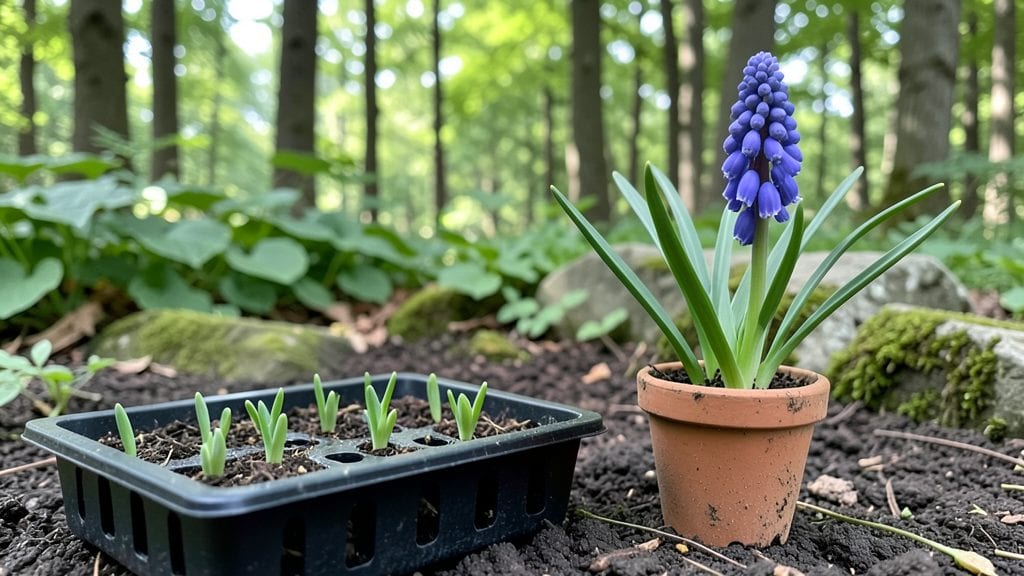
Growing grape hyacinth seedlings delivers a spring colorburst in just weeks—those tiny bulbs pack a punch of purple-blue blooms that outshine anything you’d buy at a nursery. I’ve watched my own seedlings shoot up through snowmelt, then burst into dense clusters of tiny flowers by April.
The secret? Planting them deep enough so they don’t rot, keeping soil moist but not soggy, and giving them sunlight without scorching.
You’ll need well-draining soil mixed with compost, 3-inch-deep planting holes, and a spot that gets morning sun but afternoon shade—especially in hotter climates. Most beginners overwater or plant too shallow, which leads to weak stems or rot.
My first batch struggled until I realized these bulbs need cold stratification (even if they’re already in the ground) to trigger strong growth. Once they’re in, forget about them until shoots appear—patience pays off.
By early spring, you’ll see velvety green leaves pushing through the soil, followed by those signature grape-like clusters of flowers. The plants multiply over time, creating natural drifts that look like they belong in a cottage garden.
They’re tough enough to handle light frost and deer-resistant enough to survive in my suburban yard. The only downside? They spread aggressively—so plan for that if you want contained beds.
Perfect for under trees, along fences, or in rock gardens where other bulbs struggle. These seedlings thrive where others fail, and with minimal care, they’ll reward you with weeks of blooms instead of just a few days. Let’s get those bulbs in the ground before winter sets in for good!
📚 In This Guide
- What you need
- Instructions
- Tips and common mistakes
- Wrapping up and next steps
What you need
- ● Grape hyacinth bulbs: 10–20 bulbs (choose certified disease-free, Muscari species like 'Valerie Finnis' or 'Blue Spike' for best results).
- ● Well-draining potting mix: 1–2 gallons (use a blend of peat-free compost, perlite, and sand for optimal aeration).
- ● Containers or garden bed: For seedlings: 4–6 inch pots (with drainage holes) or a seed tray with individual cells.
- ● For transplanting: 6–8 inch pots or a garden bed with loose, fertile soil (pH 6.0–7.0).
- ● Slow-release fertilizer: 1–2 tbsp (balanced 10-10-10 or bulb-specific formula).
- ● Watering can or spray bottle: With a fine mist nozzle for gentle hydration.
- ● Garden trowel or bulb planter: For planting and transplanting.
- ● Gloves: To protect hands from soil and sharp bulb edges.
- ● Measuring tape or ruler: To ensure proper bulb spacing (2–3 inches apart).
- ○ Mulch (optional): 1–2 inches of straw or shredded leaves to retain moisture.
- ● Sunlight: A spot with full sun to partial shade (6+ hours of light daily).
- ● Temperature: Ideal planting time is fall (6–8 weeks before frost) or early spring (after last frost).
- ● Patience: Seedlings may take 4–6 weeks to sprout—consistency is key!
Step-by-Step instructions for growing grape hyacinth seedlings
Here’s how to get vibrant grape hyacinth blooms in record time—no waiting years for bulbs to mature.
Start Seeds Indoors for Early Growth
Plant seeds in a shallow tray filled with moistened seed-starting mix (about ½ inch deep). Grape hyacinth seeds germinate best at 65-75°F, so place the tray on a seedling heat mat if your home runs cooler. Cover lightly with a thin layer of mix—just enough to hide the seeds—but don’t press down, or you’ll smother them.
Water gently with a spray bottle until the surface feels damp, then cover the tray with plastic wrap to retain warmth and humidity. Check daily for condensation; if it’s heavy, lift the wrap for 10 minutes to prevent mold. Germination takes 3-4 weeks, so patience is key—don’t disturb the soil until you see tiny green shoots.
Provide Bright Light and Thin Seedlings
Once sprouts appear, remove the plastic wrap immediately to avoid damping-off. Place the tray under grow lights (12-14 hours daily) or in the brightest window—south-facing is ideal. Grape hyacinth seedlings need strong light to prevent leggy growth; if stems stretch toward the light, lower the lights to 2-3 inches above the tray.
When seedlings have 2-3 true leaves (not just the initial seed leaves), thin them to 1 plant per cell or 2 inches apart. Use small scissors to snip excess seedlings at soil level—this reduces competition for nutrients. Water lightly after thinning to settle the soil around remaining plants.
Harden Off and Transplant Outdoors
About 4-6 weeks after germination, when seedlings are 3-4 inches tall, start hardening them off. Place the tray outside in a sheltered spot for 1 hour the first day, gradually increasing time over 7-10 days until they’re out all day. Choose a partially shaded spot for transplanting—grape hyacinths tolerate light shade better than full sun.
Dig holes twice as deep as the root ball and space plants 3-4 inches apart. Water deeply after planting to encourage root establishment. Mulch with 1 inch of organic mulch to retain moisture and suppress weeds. Blooms will appear in 6-8 weeks, making this a fast, rewarding process compared to buying mature bulbs.
Maintain for Fast, Repeated Blooms
Water once weekly after establishment, letting the soil dry slightly between waterings—overwatering causes bulb rot. Fertilize lightly with a balanced bulb fertilizer (10-10-10) every 4-6 weeks during the growing season. Deadhead spent blooms to encourage reblooming later in the season.
In fall, reduce watering as foliage yellows. Grape hyacinths are perennial in mild climates (Zones 3-9) and will return year after year. If your winters are harsh, dig up bulbs after foliage dies back, store them in dry peat moss, and replant next spring for another fast, colorful display.
Tips & tricks for fast-blooming grape hyacinth seedlings
These quick strategies will help you skip the years-long wait for mature bulbs and enjoy vibrant blooms in just a few months.
Temperature Control: Maintain that 65-75°F range consistently during germination—especially important if your home runs cooler. I use a seedling heat mat set to 75°F and place my tray on top. For extra insurance, place a thermometer near the tray to monitor temperature. If your home dips below 65°F at night, consider using a small space heater with a thermostat to maintain warmth.
Lighting Secret: The 12-14 hours of daily light in Step 2 is crucial for preventing leggy seedlings. If you don't have grow lights, position your tray on a sunny windowsill facing south. Rotate the tray daily so all seedlings get even light exposure. I've found that placing a small mirror angled toward the window can help redirect light to seedlings on the tray's shady side.
Thinning Technique: When thinning to 2 inches apart, use clean scissors and cut at soil level rather than pulling seedlings. This prevents disturbing the roots of remaining plants. I like to thin in stages—first remove the weakest seedlings when they have 1-2 leaves, then thin again when they reach 2-3 true leaves for optimal spacing.
Harden Off Gradually: The 1-hour to full-day progression over 7-10 days in Step 3 is key to preventing transplant shock. Start with just 1 hour in morning sun, then add 30 minutes each subsequent day. I protect my seedlings from direct afternoon sun during this period, as it can cause stress. If rain is forecast, bring them indoors to avoid waterlogged soil during hardening.
Pro Tips for Grape Hyacinth Seedling
- These quick strategies will help you skip the years-long wait for mature bulbs and enjoy vibrant blooms in just a few months.
- Temperature Control: Maintain that 65-75°F range consistently during germination—especially important if your home runs cooler.
- Lighting Secret: The 12-14 hours of daily light in Step 2 is crucial for preventing leggy seedlings.
Frequently asked questions
Got questions about growing grape hyacinth seedlings?
Here are some of the most common ones—plus quick, practical answers to help you succeed with these fast-blooming beauties.
How long does it take for grape hyacinth seedlings to bloom?
With patience, you’ll see blooms in 4–6 weeks after planting seedlings in spring! If you start indoors in late winter (8–10 weeks before the last frost), they’ll often flower even earlier. Just ensure they get bright light and cool temperatures (50–60°F) to encourage rapid growth.
Can grape hyacinth seedlings survive winter outdoors?
Yes! These hardy bulbs thrive in USDA Zones 3–9 and naturally die back in winter, only to rebloom the next spring. For extra protection in colder climates, mulch lightly with straw or leaves after foliage yellows. No need to dig them up—they’ll return year after year!
What’s the best way to transplant grape hyacinth seedlings?
Transplant seedlings when they’re 3–4 inches tall and have 2–3 true leaves. Dig a hole twice as wide as the root ball, space them 3–4 inches apart, and water deeply. For containers, use well-draining soil and ensure pots are at least 6 inches deep. Avoid disturbing roots—gently tease them if they’re tangled!
Why aren’t my grape hyacinth seedlings growing?
Check these common issues:
- Too much sun: These shade-lovers wilt in hot afternoon rays. Move to partial shade (4–6 hours of light daily).
- Overwatering: Bulbs rot in soggy soil. Water only when the top inch is dry, and ensure pots/containers have drainage holes.
- Poor soil: Amend heavy clay or sandy soil with compost for better nutrients. A light fertilizer (5-10-10) at planting helps too!
Are there alternatives to grape hyacinth seedlings for early spring color?
Try these low-maintenance, fast-blooming options:
Plant
Bloom Time
Care Level
Crocus
Late winter–early spring
(Very easy)
Snowdrops (Galanthus)
Winter–early spring
(Moderate)
Pansies
Spring–fall
(Easy)
Muscari (Grape Hyacinth’s cousin!)
Spring
(Moderate)
For maximum impact, mix grape hyacinth seedlings with crocus or snowdrops—they’ll create a stunning, layered spring display!
Wrapping up and next steps
Growing grape hyacinth seedlings is a rewarding way to bring vibrant color to your spring garden with minimal effort! These fast-blooming bulbs thrive in well-drained soil and partial shade, making them perfect for beginners and experienced gardeners alike.
With just a little patience and care, you’ll enjoy a stunning burst of purple, blue, or white flowers in no time.
Ready to transform your garden? Start by planting your seedlings in early fall—this gives them time to establish roots before spring blooms. Tag along a friend or join a local gardening group for extra tips and inspiration! 🌱✨