
Propagation
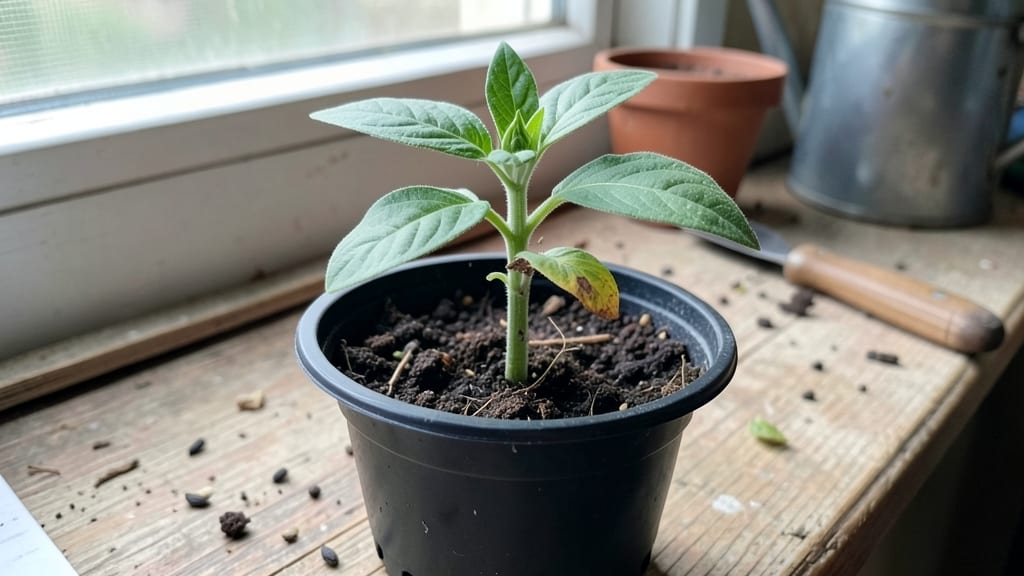
An early jalapeño seedling thrives with the right heat and moisture trick—something I learned after my first batch took three weeks to sprout instead of five days. The secret isn’t fancy equipment but a simple setup that mimics the warm, damp conditions peppers love in their native tropics.
You’ll need a clear container, a seed-starting mix, and a way to keep things between 80°F and 85°F, which is easier than it sounds with a few household hacks.
Most beginners overwater or underheat, but the real game-changer is pre-soaking seeds for 12 hours before planting. This cuts germination time in half while preventing that dreaded moldy soil smell that kills enthusiasm before it starts.
Once you see those first tiny leaves, you’ll have stocky seedlings ready for transplant in just 10-14 days—not the leggy, weak stems you get from slow starts.
By the time you’re hardening off seedlings, they’ll be bushier and more resilient than anything from the nursery. The key is moving them to bright light immediately after sprouting (no waiting for “true leaves”) and keeping the soil consistently moist but never soggy.
This method works for any pepper variety, and the payoff is a harvest that starts 2-3 weeks earlier than store-bought plants.
Whether you’re growing in a sunny window, under grow lights, or even a heated seed mat, these techniques adapt to your setup. The only real limitation is your patience—and once you see those first green shoots, you’ll forget that ever existed.
Root Causes Of Fast Growth
When your early jalapeño seedlings shoot up faster than expected, it’s usually a mix of environmental and biological factors working in overdrive. Understanding these triggers helps you harness—or control—the growth for stronger, healthier plants. Let’s break down the science behind why your seedlings might be sprinting ahead.
Jalapeño seeds are tropical plants, and they love heat. When soil temperatures rise above 75°F (24°C), enzymatic activity in the seed skyrockets. Here’s why:
- Enzyme acceleration: Heat activates amylase and protease enzymes, breaking down starches and proteins in the seed into energy (sugars and amino acids) faster.
- Cell division turbo: Warmth loosens cell walls, allowing meristematic cells (growth centers) to divide at a rapid pace. Think of it like a fermenting batter—the warmer it gets, the faster it rises!
- Root vs. shoot imbalance: Excessive heat can cause seedlings to prioritize shoot growth over root development, leading to leggy, weak stems. This is why a heat mat (set to 80–85°F) can trigger germination in 3–7 days instead of weeks.
Pro tip: 🌡️ If your seedlings are growing too fast, lower nighttime temps to 60–65°F (15–18°C) to slow them down and encourage root strength.
While water is essential, too much of it can act like a growth hormone for seedlings. Here’s how:
- Oxygen starvation: Soggy soil cuts off oxygen to roots, forcing seedlings to bolt upward in search of light (a survival tactic called etiolation). This is why your seedlings might look tall and spindly instead of stocky.
- Nutrient dilution: Excess water leaches out nitrogen and phosphorus—key nutrients for rapid cell division. The plant panics and grows faster to compensate.
- Fungal boost: Overly moist soil can harbor beneficial mycorrhizal fungi, which accelerate nutrient absorption (and thus growth). However, this can backfire if the fungi become pathogenic.
Actionable fix: 💡 Use the finger test: Stick your finger 1 inch into the soil. If it’s damp (not soaked), you’re golden. If it’s drenched, hold off on watering and ensure pots have drainage holes.
Jalapeños are light-hungry plants, and when they don’t get enough, they stretch like teenagers in a growth spurt. Here’s the science:
- Phytochrome trickery: Low light reduces phytochrome red/far-red ratios, signaling the plant to elongate stems in hopes of finding sunlight. This is why seedlings under dim windowsills or blocked by taller plants grow lanky.
- Chlorophyll crisis: Without adequate light (12–16 hours/day), seedlings can’t produce enough chlorophyll, leading to weak cell walls and floppy stems.
- Energy diversion: Instead of building roots or leaves, the plant diverts energy to stem elongation to escape shade.
Quick solution: ⏰ Move seedlings to a south-facing window or use a grow light (LED or fluorescent) 2–3 inches above them for 14–16 hours/day. Avoid heat-producing incandescent bulbs—they’ll cook your seedlings!
When roots are root-bound (literally), seedlings compete aggressively for nutrients and water, triggering a growth spurt. Here’s how it plays out:
- Root density stress: Crowded roots excrete ethylene gas, a plant hormone that stimulates rapid shoot growth as a last-ditch effort to outcompete neighbors.
- Nutrient depletion: Shared soil resources force seedlings to grow taller to access light, even if it means sacrificing root strength.
- Transplant shock reversal: If you’ve recently thinned seedlings or repotted, the sudden increase in space can cause a growth surge as roots expand.
Fix it now: 🌱 If seedlings are touching leaves, transplant them into individual 2–3 inch pots with fresh, well-draining soil. Use a sterile mix (e.g., coco coir + perlite) to prevent disease.
Not all growth accelerators are intentional. Some soil microbes can hijack your seedlings’ metabolism:
- Mycorrhizal fungi: These beneficial fungi form symbiotic relationships with roots, increasing nutrient absorption (especially phosphorus). While helpful, overcolonization can lead to uncontrolled growth.
- Pathogenic microbes: Fungi like Pythium or bacteria such as Pseudomonas can disrupt hormone balance, causing abnormal elongation or weak stems.
- Algae blooms: In humid conditions, algae on soil surfaces can compete with seedlings, stressing them into a growth frenzy.
Prevent contamination: ✨ Sterilize soil with baking soda (1 tsp/gallon of water) or use hydrogen peroxide (3%) to kill pathogens. Avoid overwatering to drown out harmful microbes.
Fixing Common Early Seedling Struggles
Growing early jalapeño seedlings can feel like solving a puzzle—each tiny hiccup demands a tailored fix. Below, we break down the most common issues (and their root causes) with step-by-step solutions and prevention tips to keep your seedlings thriving.
Think of this as your troubleshooting cheat sheet for lush, resilient plants!
Cause: Seedlings competing for light, water, and nutrients in tight spaces.
Fix It:
- 🔥 Thin Them Out (Gently!)
- Use clean scissors or your fingers to snip seedlings at soil level, leaving the strongest 2–3 per pot (or 1 per cell in trays).
- Pro Tip: 💡 Snip above the soil line to avoid disturbing roots.
- 🍳 Upgrade Their Space
- Move seedlings to 4-inch pots or a larger tray with 12+ inches between plants.
- Use well-draining soil mix (50% potting soil + 50% perlite/coco coir).
- 👨🍳 Boost Light Exposure
- Place under grow lights (12–16 hours/day) or in a south-facing window (rotate pots daily for even growth).
- Prevention: 🌡️ Start with individual cells or small pots to avoid overcrowding from day one.
Cause: Stretching for light due to insufficient sunlight or heat.
Fix It:
- ⏰ Adjust Lighting
- Lower grow lights 2–3 inches above seedlings (they should barely touch the leaves).
- Quick Fix: 🔥 Use a reflective surface (aluminum foil or white board) to bounce light.
- 🌡️ Optimize Temperature
- Keep seedlings in a warm spot (70–80°F)—cool drafts slow growth.
- Prevention: ✨ Use a seedling heat mat (70°F) for faster, sturdier stems.
- 🥘 Fertilize Lightly
- Once true leaves appear, add a diluted seaweed fertilizer (1 tsp/gallon) or fish emulsion (½ tsp/gallon).
- Avoid: 🚫 Over-fertilizing—this burns tender roots.
Cause: Fungal infection from overwatering, poor drainage, or high humidity.
Fix It:
- 🔪 Remove the Affected
- Snip off mushy, blackened stems at soil level (don’t compost—sterilize tools with rubbing alcohol).
- 🌡️ Improve Airflow & Drainage
- Space pots 2 inches apart and use terracotta pots (breathable material).
- Prevention: 🎯 Water only when the top inch of soil is dry—use a spray bottle for gentle moisture.
- ✨ Fungal Treatment
- Spritz seedlings with 1 tsp baking soda + 1 quart water + few drops of soap (repeat weekly).
- Alternative: 💡 Dust soil with cinnamon powder (natural antifungal).
Cause: Old seeds, improper moisture, or temperature issues.
Fix It:
- 🔥 Test Seed Viability
- Soak 5–10 seeds in warm water overnight—floaters are dead; sinkers may still sprout.
- 🍳 Recreate Ideal Conditions
- Moisture: Keep soil consistently damp (not soggy) with a clear plastic dome or plastic wrap.
- Heat: Place tray on a seedling heat mat or in a warm spot (80–90°F).
- Prevention: 🌡️ Store seeds in a cool, dry place (fridge) and plant within 6 months of purchase.
- 🌱 Try a New Batch
- If no sprouts in 10–14 days, discard old seeds and replant fresh ones.
Cause: Too much water (root rot) or lack of nitrogen/magnesium.
Fix It:
- 💪 Check the Roots
- Gently remove the seedling and rinse roots in water. Trim any black/mushy roots with sterilized scissors.
- Prevention: 🎯 Use pots with drainage holes and well-draining soil.
- 🥗 Adjust Watering
- Let soil dry 1 inch deep between waterings. Use a moisture meter for accuracy.
- 🍎 Feed Them Right
- Nitrogen Fix: Add Epsom salt (1 tsp/gallon water) for magnesium (yellow lower leaves).
- Balanced Boost: Switch to a 5-5-5 fertilizer (diluted to half strength) once seedlings have 2 true leaves.
Final Pro Tip: 🌟 Rotate your seedlings weekly to prevent leaning, and harden them off (acclimate to outdoor temps) 7–10 days before transplanting. With these fixes, your early jalapeño seedlings will go from struggling to strong, bushy plants ready for the garden!
Frequently asked questions
How long does it take for jalapeño seeds to sprout?
With ideal conditions—80–85°F soil temperature and consistent moisture—jalapeño seeds typically sprout in 7–14 days. Pre-soaking seeds for 12 hours can cut this time in half. If using a heat mat, germination may happen in just 3–7 days. Patience is key, but if no sprouts appear after 21 days, test seed viability or replant fresh seeds.
Why are my early jalapeño seedlings turning yellow?
Yellowing leaves usually signal overwatering or nutrient deficiency. Check soil moisture—it should be damp but not soggy. For nitrogen deficiency, add a diluted fish emulsion (½ tsp/gallon). Yellowing on lower leaves can also indicate magnesium deficiency—try a 1 tsp/gallon Epsom salt solution applied to the soil. Ensure pots have drainage holes to prevent root rot.
Can I transplant jalapeño seedlings too soon?
Yes, transplanting too early—before seedlings have 2–3 true leaves—can stunt growth. Wait until they’re at least 3–4 inches tall and have developed a strong root system. Harden them off for 7–10 days by gradually exposing them to outdoor conditions (start with 1–2 hours/day). Transplant on a cloudy day or in late afternoon to reduce stress.
What’s the best light setup for early jalapeño seedlings?
Seedlings need 12–16 hours of light daily. For indoor growing, use LED or fluorescent grow lights placed 2–3 inches above the seedlings. A south-facing window works if you rotate pots daily to prevent leaning. Avoid incandescent bulbs—they generate too much heat. If using natural light, supplement with a timer-controlled grow light to ensure consistency.
How do I prevent damping-off disease in jalapeño seedlings?
Damping-off is caused by fungal overgrowth in moist conditions. Improve airflow by spacing pots 2 inches apart and using sterile, well-draining soil. Water at the soil level (not overhead) and avoid wetting leaves. Dust soil with cinnamon powder or apply a baking soda spray (1 tsp/baking soda + 1 quart water + few drops of soap) weekly as a preventative measure.