
Vegetables
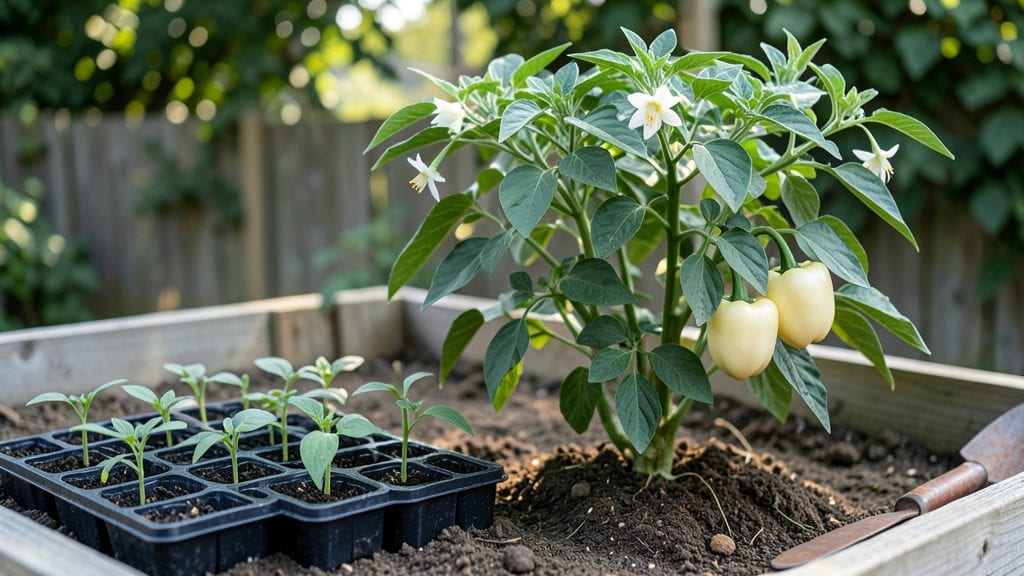
Growing yellow pepper seeds fast starts with the right timing and a warm, damp cozy spot. 🌱 I’ve rushed these before and ended up with leggy, weak seedlings—until I learned the secret to 10-day germination with stocky plants ready to thrive.
The key isn’t just patience; it’s creating the perfect microclimate where seeds feel like they’re back in their tropical home.
Most beginners overlook soil warmth, but yellow pepper seeds need 75-85°F to sprout quickly. A heat mat or sunny windowsill (south-facing) works wonders—just avoid cold drafts. Use a light, seed-starting mix (not garden soil) to prevent damping off, and keep it moist like a wrung-out sponge.
Plant seeds ¼ inch deep, and you’ll see sprouts in just days.
Within 10 days, you’ll have bushy seedlings with true leaves, not the weak first sprouts. The trick is bright light (14+ hours daily) and gentle watering—never let them sit in soggy soil.
Yellow bell peppers and banana peppers respond best to this method, but all yellow varieties benefit from early strength. By week 3, you’ll be hardening them off for transplanting.
This method works for zone 8-10 gardeners planting early indoors or zone 5-7 growers starting seeds in March. The same principles apply whether you’re growing in pots or a seed tray—just adjust spacing for your setup. Ready to skip the slow starts and get those peppers growing fast?
Root Causes of Slow Germination
When your yellow pepper seeds take longer to sprout than expected—or refuse to germinate at all—it’s usually due to a mix of environmental and biological factors. Understanding these causes is the first step to troubleshooting and ensuring a thriving harvest.
Below, we break down the most common reasons why seeds struggle to break through the soil, along with the science behind them.
Peppers (Capsicum annuum) are tropical plants, meaning they thrive in warmth—both in the soil and in the air. If temperatures dip below 60°F (15°C) or rise above 95°F (35°C), seeds enter a state of dormancy, delaying or halting germination.
- Why it happens: Enzymes responsible for breaking down seed reserves (like starches and proteins) become inactive in cold soil. Meanwhile, excessive heat can denature these enzymes, preventing the seed from absorbing water efficiently.
- Actionable fix:
- Use a seedling heat mat (set to 75–85°F / 24–29°C) to maintain consistent warmth.
- Avoid planting outdoors until nighttime temps stay above 55°F (13°C).
- If using a greenhouse, monitor soil temp with a thermometer—topsoil can be 10–15°F cooler than ambient air.
Seeds need consistent moisture to activate enzymes and kickstart metabolic processes, but the balance is delicate. Too little water = desiccation; too much = suffocation.
- Why it happens:
- Underwatering: Seeds dry out before radicles (embryonic roots) emerge. Without moisture, the seed coat hardens, blocking oxygen and nutrient exchange.
- Overwatering: Excess water displaces oxygen in the soil pores, leading to anaerobic conditions. Seeds may rot or fail to absorb water due to hydrophobic seed coats.
- Actionable fix:
- Keep soil evenly moist (like a wrung-out sponge). Use a spray bottle for precision.
- Avoid bottom-watering trays if they cause soggy soil—opt for wicking mats instead.
- Use well-draining seed-starting mix (50% peat/coir + 50% perlite/vermiculite) to prevent compaction.
Even the best-intentioned gardener can end up with seeds that are physically or genetically compromised. Viability drops sharply after 1–2 years for pepper seeds.
- Why it happens:
- Age-related decay: Lipids in the seed coat oxidize over time, reducing enzyme activity. Older seeds may also have lower energy reserves (e.g., less starch in the endosperm).
- Physical damage: Cracked or crushed seeds lose integrity, making them vulnerable to fungal infections (e.g., Pythium) or failing to imbibe water properly.
- Improper storage: Exposure to light, humidity, or temperature swings accelerates degradation. For example, storing seeds in the fridge (ideal: 32–41°F / 0–5°C) slows aging, while a damp basement speeds it up.
- Actionable fix:
- Test viability by floating seeds in water: Sinkers are viable; floaters are likely dead.
- Buy fresh seeds (packaged within the last year) or harvest your own from healthy peppers.
- Store seeds in an airtight container with a desiccant packet in a cool, dark place.
Peppers have tiny but mighty seeds that need the right burial depth to germinate. Plant them too deep, and they’ll starve for oxygen; too shallow, and they’ll dry out.
- Why it happens:
- Incorrect depth: Seeds need ¼–½ inch (0.6–1.3 cm) of coverage for optimal moisture retention without suffocation. Deeper planting forces the seedling to expend energy breaking through dense soil, risking damping-off disease.
- Compacted soil: Heavy or clay-rich soil compresses around the seed, restricting gas exchange (oxygen/CO₂) and root penetration. Compacted layers can also create waterlogged micro-zones.
- Actionable fix:
- Use a fine, fluffy seed-starting mix (avoid garden soil, which compacts easily).
- Gently press seeds into soil with your finger—no tamping needed.
- If repurposing pots, sterilize them with a 10% bleach solution to prevent fungal buildup.
Pathogens like Fusarium, Pythium, and Rhizoctonia thrive in damp, warm conditions—exactly where your seeds are trying to germinate. These microbes can coat seeds or infect the soil, causing rot before sprouts appear.
- Why it happens:
- Contaminated soil: Reused potting mix or outdoor soil may harbor pathogenic spores. Even "sterile" mixes can harbor Trichoderma, a fungus that outcompetes beneficial microbes.
- Improper sterilization: Tools, trays, or seed packets can transfer bacteria. For example, Pseudomonas bacteria produce toxins that inhibit seedling growth.
- Actionable fix:
- Sterilize soil with steam (180°F/82°C for 30 mins) or a baking soda solution (1 tbsp per gallon of water).
- Use fungicide-treated seeds or soak them in hydrogen peroxide (3%) for 5 minutes before planting.
- Space trays to improve air circulation and reduce humidity around seeds.
By identifying which of these factors is at play in your seed-starting setup, you can target the issue directly and give your yellow pepper seeds the best shot at a fast, healthy
Fixing Common Yellow Pepper Seedling Struggles
Growing vibrant yellow pepper plants from seeds is rewarding, but seedling issues can slow you down. Below are practical, step-by-step solutions for the most common problems—plus prevention tips to keep your plants thriving in just 10 days.
Cause: Cold soil, old seeds, or improper moisture levels. Fix It:
- Warm Up the Soil 🔥
- Place seed trays on a heat mat (70–85°F) or near a sunny window. Yellow pepper seeds need warmth to germinate fast.
- Pro Tip: Cover trays with plastic wrap to trap moisture and heat—like a mini greenhouse!
- Check Seed Viability 💡
- If seeds are over a year old, soak them in warm water for 24 hours before planting. Discard any that float (they won’t sprout).
- Prevention: Store seeds in a cool, dry place (below 70°F) in an airtight container.
- Moisture Matters 💧
- Keep soil consistently damp (not soggy) by misting daily or using a spray bottle. Overwatering can suffocate seeds.
- Quick Fix: Use a spray bottle to avoid disturbing seeds while watering.
Cause: Too little light, overcrowding, or inconsistent watering. Fix It:
- Maximize Light Early ☀️
- Move trays to the brightest spot (south-facing window or grow lights 12+ inches away). Leggy seedlings stretch toward light but weaken.
- Grow Hack: Use LED grow lights for 14–16 hours/day if natural light is weak.
- Thin Seedlings Properly ✂️
- Once seedlings have 2 true leaves, snip the weakest with scissors (leave the strongest 2–3 inches apart).
- Why? Crowded seedlings compete for nutrients, leading to weak growth.
- Fertilize Lightly 🌿
- Wait until seedlings have 2–3 leaves before using a diluted (half-strength) balanced fertilizer (e.g., 5-5-5).
- Avoid: Over-fertilizing—it burns tender roots!
Cause: Excess moisture, poor airflow, or contaminated soil. Fix It:
- Improve Airflow 🌬️
- Space trays apart and use a small fan on low speed (24/7) to mimic outdoor breezes. This prevents damping-off fungus.
- Prevention: Sterilize soil with a baking soda rinse (1 tsp per gallon of water) before planting.
- Adjust Watering Habits 🚰
- Water at the base (not overhead) and ensure trays have drainage holes. Use a fungicide spray (like neem oil) if mold appears.
- Quarantine Affected Plants 🛑
- Remove moldy seedlings immediately to stop spread. Replace contaminated soil if needed.
Cause: Over/under-watering, nutrient imbalance, or transplant shock. Fix It:
- Diagnose the Problem 📊
- Yellow lower leaves? → Overwatering or root rot. Let soil dry slightly between waterings.
- Yellow edges? → Underwatering or low humidity. Mist leaves or use a humidity dome.
- Boost Nutrients Gently 💪
- Add Epsom salt (1 tsp per gallon of water) for magnesium if leaves yellow between veins.
- Prevention: Use well-draining soil (mix potting soil with perlite) to avoid root issues.
- Transplant Care 🌱
- When moving seedlings outdoors, harden them off (acclimate to sun/wind) over 7–10 days. Sudden changes cause shock.
✅ Seed Prep: Soak seeds overnight in warm water before planting. ✅ Heat & Light: Use a heat mat + grow lights for consistent conditions. ✅ Soil Health: Sterilize soil and mix in compost for nutrients. ✅ Water Wisely: Bottom-water trays to avoid fungal risks. ✅ Thin Early: Remove weak seedlings to reduce competition.
Remember: Yellow pepper seeds germinate fastest in warm, moist, well-lit conditions. With these fixes, you’ll go from seed to bushy plants in under 10 days—no guesswork! 🚀
Frequently asked questions
How long do yellow pepper seeds take to germinate?
With ideal conditions—75-85°F soil temperature, consistent moisture, and bright light—yellow pepper seeds typically sprout within 7-14 days. The fastest germination happens in 7-10 days when using a heat mat and keeping soil evenly moist like a wrung-out sponge. Patience is key, but cold soil or old seeds can delay sprouting for weeks.
Can I save seeds from store-bought yellow peppers?
Yes, but with limitations. Home-saved pepper seeds may not produce identical plants to the parent variety due to cross-pollination. For best results, choose organic or heirloom yellow peppers, allow them to fully ripen on the plant, then dry and store seeds in an airtight container in a cool, dark place. Store-bought hybrid peppers often produce seeds that won't breed true.
What's the difference between yellow bell pepper seeds and banana pepper seeds?
Yellow bell pepper seeds grow into larger, blocky fruits (typically 3-5 inches long) with thick walls, ideal for stuffing or slicing. Banana pepper seeds produce slender, tapered peppers (2-3 inches) that are milder and often used whole in pickling or as garnishes. Both thrive in similar conditions, but banana peppers mature slightly faster—usually 60-70 days vs. 70-80 days for bells.
Why are my yellow pepper seedlings turning black and mushy?
This is classic damping-off disease, caused by fungal infections in overly wet, poorly ventilated soil. To fix it: remove affected seedlings immediately, reduce watering, and improve airflow with a small fan. Sterilize your soil mix next time by baking it at 180°F for 30 minutes or using a hydrogen peroxide solution (1 tbsp per gallon of water). Keep trays clean and avoid overcrowding.
When should I transplant yellow pepper seedlings outdoors?
Wait until nighttime temperatures stay above 55°F and all frost danger has passed—typically 2-4 weeks after your last frost date. Harden off seedlings by gradually exposing them to outdoor conditions over 7-10 days before transplanting. Choose a spot with 6-8 hours of sunlight daily and well-draining soil. Transplant in the afternoon to reduce stress on young plants.