Trees
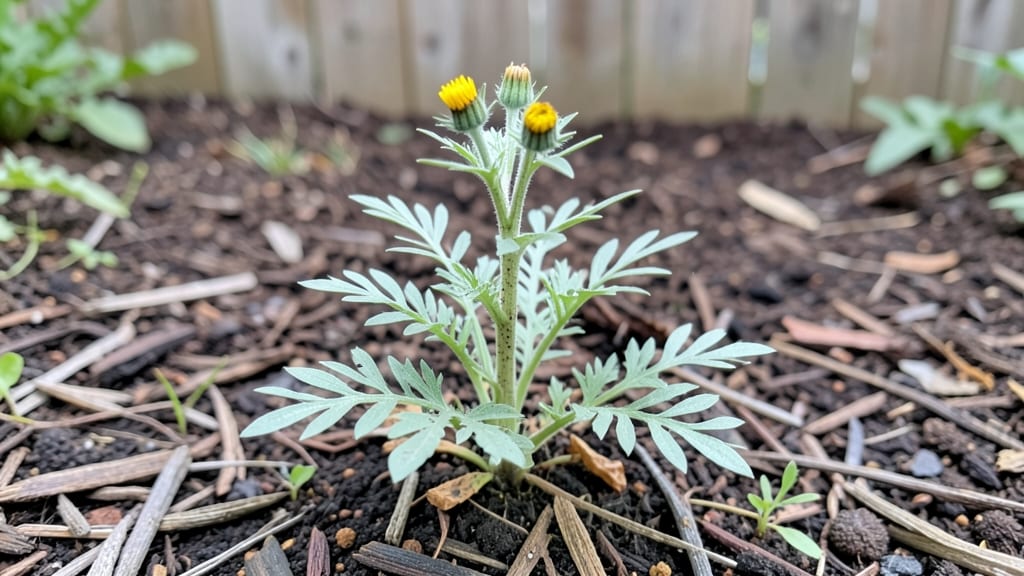
The key to coreopsis seedling identification lies in those tiny, lobed leaves that look like miniature maple leaves. 🌱 I’ve spent years watching seedlings emerge, and the first clue is always the leaf shape—deeply divided with rounded teeth, not smooth or jagged like... weeds.
The color is another dead giveaway: bright green with a slightly waxy sheen, never dull or yellowish.
Most people mistake young coreopsis for dandelions or chickweed, but there’s a key difference: coreopsis leaves grow in a rosette pattern close to the ground, while weeds sprawl outward. The stems are hairless too—no fuzzy texture to confuse you. Once you spot these details, you’ll never second-guess a seedling again.
Once identified, give them bright light and well-draining soil to keep them thriving. They’ll start stretching toward the sun within days, and those signature daisy-like buds will form by late spring. The payoff? A garden filled with cheerful blooms that last from summer through fall.
This works for all coreopsis varieties—from the classic ‘Moonbeam’ to the bold ‘Zagreb’—so you can trust the same clues no matter what you’re growing. Let’s get those seedlings confirmed and growing strong!
Coreopsis Seedling Confusion Explained
Identifying coreopsis seedlings can be tricky, especially when they resemble other plants or struggle to thrive in less-than-ideal conditions. Understanding the root causes of misidentification or poor growth helps gardeners take corrective action.
Below, we break down the most common reasons why coreopsis seedlings may be mistaken for other plants—or fail to grow as expected.
Coreopsis seedlings can easily be confused with other wildflowers or weeds, particularly in their early stages. Here’s why:
- Early Leaf Resemblance: Young coreopsis seedlings (especially Coreopsis lanceolata or Coreopsis verticillata) have narrow, lance-shaped leaves that mimic plants like Achillea (yarrow) or Erigeron (fleabane). Without flowers or mature foliage, distinguishing them requires close inspection of leaf texture and venation.
- Weed Competition: Fast-growing weeds like Chenopodium (pigweed) or Portulaca (purslane) can smother seedlings, making them harder to spot. Their broad, fleshy leaves contrast sharply with coreopsis’ slender, hairless blades.
- Seedling Stage Gaps: Coreopsis seeds germinate slowly (often 14–21 days), leaving a window where other fast-sprouting plants (e.g., Trifolium or clover) may dominate the seedbed.
Pro Tip: 🔍 Use a magnifying glass to check for serrated margins (tiny teeth along coreopsis leaves) and pinnate venation (parallel veins running lengthwise). Compare seedlings side-by-side with a reference chart.
Coreopsis seedlings are sensitive to environmental factors that can stunt their development or alter their appearance:
| Factor | Effect on Seedlings | Solution |
|---|---|---|
| 🌞 Insufficient Light | Leaves turn pale yellow (etiolation) and grow leggy, mimicking nutrient deficiency. | Thin competing plants and ensure 6+ hours of direct sunlight daily. |
| 💧 Over/Under-Watering | Wilting or yellowing leaves; roots rot in soggy soil or shrivel in drought. | Water deeply 1–2x/week (check soil moisture 1" below surface). Use well-draining soil. |
| 🌡️ Temperature Extremes | Seedlings stall growth below 50°F (10°C) or wilt in heat above 90°F (32°C). | Start seeds indoors 4–6 weeks before last frost; provide shade cloth in summer. |
Key Insight: Coreopsis thrives in USDA Zones 3–9 but struggles in heavy clay or waterlogged soils. Amend soil with compost to improve drainage.
Pests and pathogens can distort coreopsis seedlings, making identification difficult:
- Fungal Issues:
- Powdery Mildew (white powder on leaves) or Downy Mildew (yellow spots) can make seedlings look unhealthy or stunted.
- Damping-Off (gray mold at soil level) kills seedlings before they develop distinctive leaves.
- Insect Attacks:
- Aphids cluster on new growth, causing curled or sticky leaves.
- Cutworms sever seedlings at the base, leaving only a ring of leaves.
Prevention Tips: ✨
- Sterilize trays with hydrogen peroxide (1 part to 10 parts water) before sowing.
- Apply neem oil or insecticidal soap at first sign of pests.
- Space seedlings 6–8" apart to improve air circulation.
By addressing these common pitfalls—whether it’s visual confusion, environmental stress, or pest interference—you’ll sharpen your ability to spot authentic coreopsis seedlings and nurture them into vibrant, blooming plants. 🌼
Quick Fixes for Seedling Confusion
When identifying coreopsis seedlings, missteps can happen—whether it’s mixing them up with other plants or missing key growth stages. The good news? Most issues have simple, actionable solutions. Below, we’ve mapped common problems to fixes, along with prevention tips to keep your garden thriving.
Problem: Your coreopsis seedlings resemble other wildflowers or weeds, making identification tricky. Fix:
- Compare leaf shapes 🌿: Coreopsis seedlings have lance-shaped, slightly fuzzy leaves with 3 prominent veins. Use a magnifying glass if needed—this detail separates them from dandelions (which have jagged edges) or chickweed (which has smooth, rounded leaves).
- Check the stem 🌱: Coreopsis stems are hairy and slightly woody as they mature. Weeds like lamb’s quarters often have smooth, waxy stems.
- Pull a sample (if unsure): Gently uproot one and examine the root structure. Coreopsis roots are fibrous and shallow, while weeds like purslane have thick, fleshy roots.
Prevention Tip: 💡 Plant in containers first before transplanting to soil. This isolates seedlings and makes identification easier before they blend into the garden.
Problem: Your seedlings are growing sluggishly or not sprouting at all. Fix:
- Test soil moisture 💧: Coreopsis thrives in well-draining soil but wilts in soggy conditions. Stick your finger 1 inch deep—if it’s damp, hold off on watering. If dry, give a light drink (overwatering is the #1 killer of seedlings!).
- Boost sunlight ☀️: Seedlings need 6+ hours of direct sun daily. If indoors or in shade, move them to a south-facing window or use a grow light 12 inches above them for 14 hours/day.
- Fertilize lightly 🌱: Use a balanced, water-soluble fertilizer (10-10-10) at half-strength once true leaves appear (not cotyledons). Over-fertilizing burns delicate roots.
Prevention Tip: ✨ Start seeds indoors 6-8 weeks before last frost in sterilized seed-starting mix (not garden soil) to avoid damping-off disease.
Problem: Seedlings have holes, yellowing leaves, or moldy stems. Fix:
- Identify the culprit 🕵️:
- Aphids/spider mites? 🐜 Spray with neem oil (mix 1 tbsp neem oil + 1 tsp mild soap in 1 quart water). Repeat every 5 days.
- Fungal spots? 🍄 Remove affected leaves and treat with baking soda spray (1 tsp baking soda + 1 quart water + a drop of dish soap).
- Cutworms? 🌙 Wrap stems with cardboard collars or apply diatomaceous earth around the base.
- Isolate infected plants 🚫: Move them away from healthy seedlings to prevent spread.
Prevention Tip: 🌡️ Water at the base (not overhead) to keep foliage dry, reducing fungal risks. Use row covers if pests are rampant in your area.
Problem: Seedlings are planted too deep, too shallow, or too close together. Fix:
- Depth check 📏: Coreopsis seeds should be ¼ inch deep. If planted deeper, gently scrape soil away to expose the seedling’s base.
- Thin seedlings 🌱: Space them 12–18 inches apart (they’ll spread!). Use scissors (not your hands) to snip excess seedlings at soil level to avoid disturbing roots.
- Loosen compacted soil 🪓: If roots look cramped, gently fork the soil around them to encourage spread.
Prevention Tip: 🎯 Use a seedling tray with drainage holes and plant in rows for easier thinning later.
Problem: Your seedlings’ leaves aren’t the expected green—some are yellow, striped, or pale. Fix: - Check for nutrient deficiency 💪: - Yellow leaves? 🟡 Lack of nitrogen → Add compost or a nitrogen-rich fertilizer. - Pale green? 🟢 Lack of magnesium → Sprinkle Epsom salt (1 tbsp per gallon of water) every 2 weeks. - Rule out chemical burn 🔥: If leaves have brown edges, you may have over-fertilized. Flush soil with water and reduce fertilizer strength. - Variegation? ✨ Some coreopsis varieties (like ‘Moonbeam’) naturally have cream or gold stripes.
Cross-reference with your seed packet!
Prevention Tip: 💡 Test soil pH (ideal: 6.0–7.0). Use a soil test kit from a garden center—adjust with lime (to raise pH) or sulfur (to lower it) if needed.
Problem: Seedlings wilt or stop growing after transplanting. Fix:
- Water deeply 💦: Give them a slow soak (10–15 minutes) to rehydrate roots.
- Shade for a week 🌿: Use shade cloth (30–50%) or move to partial shade to reduce stress.
- Avoid fertilizing for 2 weeks 🚫: New roots need time to establish—wait until you see new growth before adding nutrients.
Prevention Tip: ⏰ Transplant on a cloudy day or in the early evening to minimize sun stress. Hardening off (gradually exposing seedlings to outdoor conditions) for 7–10 days before planting helps too!
Frequently asked questions
How do I tell if my tiny seedlings are coreopsis instead of weeds?
Look for deeply lobed leaves resembling miniature maple leaves with rounded teeth—not smooth or jagged edges. Coreopsis seedlings grow in a tight rosette close to the ground, while weeds like dandelions sprawl outward. Check for hairless stems and bright green, waxy leaves—never fuzzy or dull.
Can I identify coreopsis seedlings before they develop true leaves?
Yes! Cotyledons (first leaves) are usually oval and smooth, but true coreopsis leaves appear as lance-shaped with 3 prominent veins. If you see these emerging, you’ve got coreopsis. For extra confirmation, wait for the second set of leaves—they’ll have the classic lobed shape.
Why do my coreopsis seedlings look different from the seed packet picture?
Seed packets show mature plants, but seedlings start small! Young coreopsis may look like tiny yarrow or fleabane at first. Focus on the leaf margins (tiny teeth) and growth pattern (rosette shape). If the stems are hairy and leaves are bright green, it’s still coreopsis—just in its early stage.
What’s the fastest way to confirm coreopsis vs. other wildflowers?
Use a magnifying glass to check for serrated leaf edges and parallel veins. Coreopsis leaves also have a slightly waxy texture. For instant ID, pull one seedling gently—coreopsis roots are fibrous and shallow, while weeds like purslane have thick, fleshy roots.
Can I transplant coreopsis seedlings too early?
Yes! Coreopsis seedlings are delicate and should have at least 2 sets of true leaves before transplanting. If moved too soon, they’ll struggle to establish roots. Harden them off for 7–10 days first—gradually expose them to outdoor conditions to avoid shock.