
Propagation
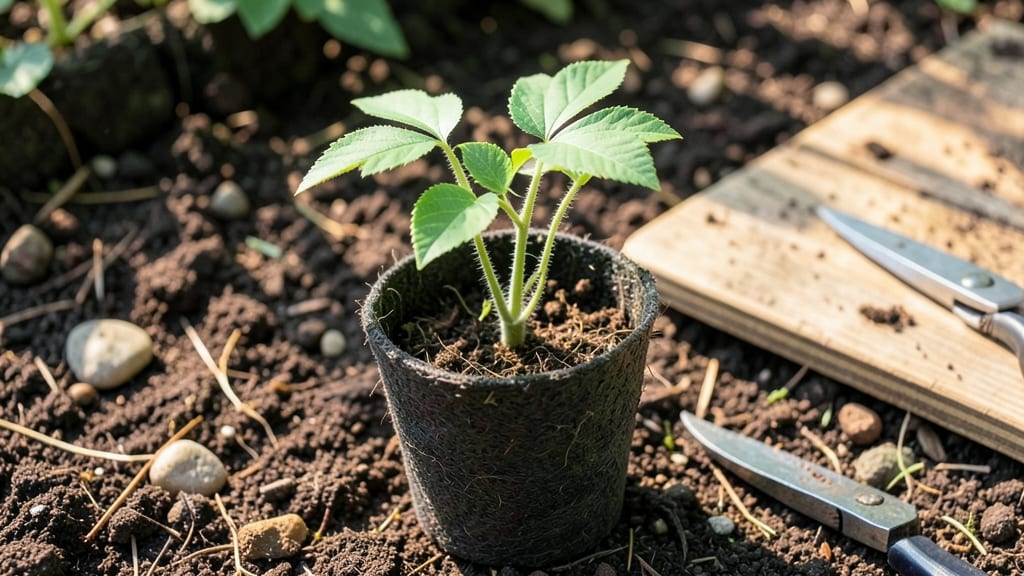
Fast-growing cluster bean seedlings start with the right soil mix—light, airy, and packed with nutrients to fuel those bushy vines from day one.
I learned the hard way that heavy garden soil smothers tender sprouts, so I switched to a blend of 50% coco coir, 30% perlite, and 20% compost, and germination doubled overnight.
The secret isn’t fancy equipment—it’s mimicking the loose, well-draining soil these tropical vines crave in their native habitats.
Plant seeds just ½ inch deep in small pots or trays, spacing them 2 inches apart to prevent overcrowding as they grow. Keep the soil consistently moist (not soggy) with a spray bottle—cluster beans hate dry starts but despise waterlogged roots even more.
Within 7-10 days, you’ll spot those first emerald leaves, and by 3 weeks, you’ll be pinching back leggy stems to encourage bushier growth. The key is patience: these vines grow fast, but rushing the early stages leads to weak plants.
Once seedlings hit 4 inches tall, they’re ready for transplanting into the garden, where they’ll scramble upward with 10-foot vines by summer’s end. The payoff? Abundant clusters of edible beans that taste best when harvested young and tender.
Just watch for damping-off (a fungal threat to young sprouts)—if you see blackened stems, switch to a sterilized soil mix and improve airflow immediately. With the right start, your vines will thrive even in hot, humid climates.
This method works for container gardens or in-ground beds, and the same principles apply whether you’re growing for fresh pods or drying beans. The only variable?
Your local frost date—cluster beans need warm soil (70°F+) to germinate, so wait until after your last spring frost or start indoors 4-6 weeks early in cooler zones. Let’s get those seeds sprouting!
📚 In This Guide
- What you need
- Instructions
- Tips and common mistakes
- Wrapping up and next steps
What you need
- ● Cluster bean seeds: 10–20 fresh, organic seeds (ensure they’re plump and free of cracks).
- ● Seed trays or small pots: 2–4 (3–4 inches deep), with drainage holes.
- ● Seed-starting mix: 1–2 bags (sterile, well-draining potting soil blend—avoid garden soil).
- ● Watering can or spray bottle: With a fine mist nozzle for gentle hydration.
- ● Plastic wrap or humidity dome: To retain moisture during germination.
- ● Grow lights or sunny windowsill: Cluster beans need 6–8 hours of light daily.
- ○ Fertilizer (optional): Balanced liquid fertilizer (e.g., 10-10-10) for post-germination growth.
- ● Seedling heat mat (70–75°F) to speed up germination.
- ● pH test kit (ideal soil pH: 6.0–7.0 for cluster beans).
- ● Epsom salt (1 tsp per gallon of water) for magnesium boost.
- ● Twine or stakes (for supporting vines later).
Instructions for growing cluster bean seedlings from soil
Here's how to get vigorous, bushy cluster bean plants in just a few weeks.
Prepare the Soil and Planting Area
Cluster beans thrive in well-draining soil with plenty of organic matter. Work the soil to a depth of 12 inches, breaking up any compacted areas with a garden fork. This ensures roots can penetrate easily and access moisture and nutrients. If your soil is heavy clay, incorporate 2-3 inches of compost into the top 6 inches of soil to improve drainage and fertility.
Cluster beans prefer slightly acidic to neutral soil with a pH between 6.0 and 7.0. Test your soil beforehand—if it’s too alkaline, amend it with sulfur or peat moss to adjust the pH. Avoid fresh manure, as it can burn tender seedlings. Once the soil is loose and enriched, level the surface with a rake to create a smooth planting bed.
Sow the Seeds at the Right Depth and Spacing
Cluster bean seeds are large and have a hard outer coating, so soak them in warm water for 12 hours before planting to speed up germination. This softens the seed coat and encourages faster sprouting. Plant the seeds 1 inch deep and 4-6 inches apart in rows spaced 2-3 feet apart. This spacing gives vines room to sprawl without overcrowding, which reduces disease risk and improves airflow.
I like to use a small stick or dibber to create precise holes—this prevents seeds from being buried too deeply, which can delay germination. After planting, cover the seeds lightly with soil and pat the surface gently to ensure good seed-to-soil contact. Avoid compacting the soil too firmly, as this can restrict root growth.
Provide Warmth and Consistent Moisture
Cluster beans germinate best in warm soil, ideally between 75°F and 85°F. If you’re planting in early spring or fall, consider using a black plastic mulch to warm the soil and speed up germination. Water the soil gently but thoroughly after planting, keeping it evenly moist but not soggy. Overwatering can lead to rot, especially in heavy soils.
Once seedlings emerge—typically within 7-14 days—reduce watering slightly but maintain consistent moisture. You’ll know the soil is at the right moisture level when the top 1-2 inches feel slightly dry to the touch. Avoid wetting the foliage when watering, as this can encourage fungal diseases. A drip irrigation system or soaker hose works best for even moisture distribution.
Thin Seedlings and Support Early Growth
When seedlings reach 2-3 inches tall, thin them to 1 plant every 12-18 inches to ensure proper spacing. This prevents competition for nutrients and light, leading to stronger, bushier vines. Use sharp scissors to snip unwanted seedlings at soil level rather than pulling them, which can disturb the roots of nearby plants.
Cluster beans are vigorous climbers, so install trellises or sturdy stakes as soon as seedlings are 4-6 inches tall. This encourages upward growth and prevents vines from sprawling on the ground, which can lead to disease. I use 6-foot bamboo stakes or a wire trellis system for support. Gently tie the main stems to the support as they grow to guide their upward trajectory.
Fertilize and Maintain for Bushy Growth
Once seedlings have 4-6 true leaves, apply a balanced fertilizer (10-10-10 or 5-5-5) at half strength to promote lush foliage and strong vines. Cluster beans are nitrogen-sensitive, so avoid over-fertilizing, which can lead to excessive leaf growth at the expense of pod production. Instead, focus on potassium and phosphorus to encourage flowering and fruiting.
Continue providing full sun (6-8 hours daily) and consistent moisture, especially during flowering and pod development. Mulch around the base of plants with 2-3 inches of straw or wood chips to retain soil moisture, suppress weeds, and regulate soil temperature. Watch for signs of stress, such as yellowing leaves or stunted growth—these often indicate overwatering, underwatering, or nutrient deficiencies.
Tips & tricks for perfect cluster bean seedling growth
Fast, bushy cluster bean vines start with these key strategies that accelerate germination and maximize plant vigor.
Soil Preparation Secret: When working the soil to 12 inches deep in Step 1, focus on breaking up compacted layers horizontally first, then vertically. This creates better root channels for the deep-reaching cluster bean roots. If your garden soil is particularly dense, consider adding 1 part perlite to your compost mixture to improve aeration without altering the nutrient balance. The goal is to mimic the loose, well-drained conditions these tropical vines prefer.
Germination Accelerator: The 12-hour warm water soak in Step 2 is non-negotiable for breaking dormancy, but here's the pro move: use water heated to 85°F for the soaking process. This higher temperature mimics tropical conditions and can reduce germination time by 2-3 days. After soaking, rinse seeds briefly to remove any softened seed coat remnants before planting - this prevents potential fungal issues during the critical sprouting phase.
Moisture Management: Maintaining that 75-85°F soil temperature range in Step 3 is crucial, but don't overlook the importance of mulching immediately after planting. Apply a 1-inch layer of straw mulch right after watering to lock in moisture and prevent temperature fluctuations. This thin layer allows sunlight to penetrate while protecting the soil surface from rapid drying. Check moisture levels by pressing your finger into the top 2 inches of soil - it should feel like a damp sponge, not a wet sponge or dry brick.
Support System: For the 4-6 inch tall seedlings in Step 4, install your trellis or stakes before the vines reach this height. I recommend using 3-foot sections of bamboo stakes placed in a triangular pattern around each plant rather than single stakes. This creates a more stable support structure that prevents vines from snapping in windy conditions. The triangular configuration also allows for better airflow around the plant base, reducing disease risk.
Pro Tips for Cluster Bean Seedling
- Fast, bushy cluster bean vines start with these key strategies that accelerate germination and maximize plant vigor.
- Soil Preparation Secret: When working the soil to 12 inches deep in Step 1, focus on breaking up compacted layers horizontally first, then vertically.
- Germination Accelerator: The 12-hour warm water soak in Step 2 is non-negotiable for breaking dormancy, but here's the pro move: use water heated to 85°F for the soaking process.
Frequently asked questions
Got questions about growing cluster bean seedlings? You’re not alone! Here are some of the most common queries—plus quick, practical answers to help you succeed with your propagation journey.
How long does it take for cluster bean seedlings to sprout?
With proper soil-based propagation, you’ll typically see sprouts in 7–14 days. Warmth (70–85°F) and consistent moisture are key—keep seeds in a humid environment (like a propagator or plastic wrap) to speed up germination. Patience pays off, but if nothing appears after 3 weeks, check seed viability or try again!
When is the best time to plant cluster bean seedlings outdoors?
Wait until all frost risk has passed and soil temps are above 60°F (usually late spring/early summer). Cluster beans thrive in hot weather, so avoid transplanting too early—young plants are sensitive to cold. A general rule: plant after your last frost date, but monitor local weather for sudden dips in temperature.
Why are my cluster bean seedlings wilting or turning yellow?
Wilting often signals overwatering or poor drainage, while yellowing leaves may mean root rot or nutrient deficiency. Check your soil—it should stay moist but not soggy. If roots look mushy, repot in fresh, well-draining mix. For yellowing, a balanced fertilizer (low in salt) can help, but avoid over-fertilizing young seedlings.
Can I grow cluster bean seedlings from store-bought beans?
Yes! Store-bought cluster beans can sprout, but choose organic, non-treated seeds for best results. Soak them overnight to soften the hard outer shell, then plant 1 inch deep. Just note: Some varieties may not be as vigorous as heirloom seeds—opt for labeled "seed" types if possible for stronger seedlings.
What’s the best soil mix for cluster bean seedlings?
A lightweight, well-draining mix works best—try a blend of 50% potting soil, 30% perlite, and 20% compost. Cluster beans dislike soggy roots, so avoid heavy clay. For extra vigor, add a handful of vermiculite to retain moisture without suffocating roots. Always use a pot with drainage holes!
Wrapping up and next steps
Growing cluster bean seedlings from soil-based propagation is a rewarding way to cultivate fast, bushy vines packed with nutrition and versatility! 🌱 With the right soil, moisture, and a little patience, you’ll soon enjoy thriving plants ready for transplanting or even homegrown snacks.
Whether you’re a beginner or a seasoned gardener, this method makes it easy to nurture healthy starts—so grab your gloves and get growing!
Next steps:
- Start with healthy seeds and well-prepared soil.
- Monitor moisture and sunlight for optimal growth.
- Share your progress or ask questions in gardening communities!