
Lawn
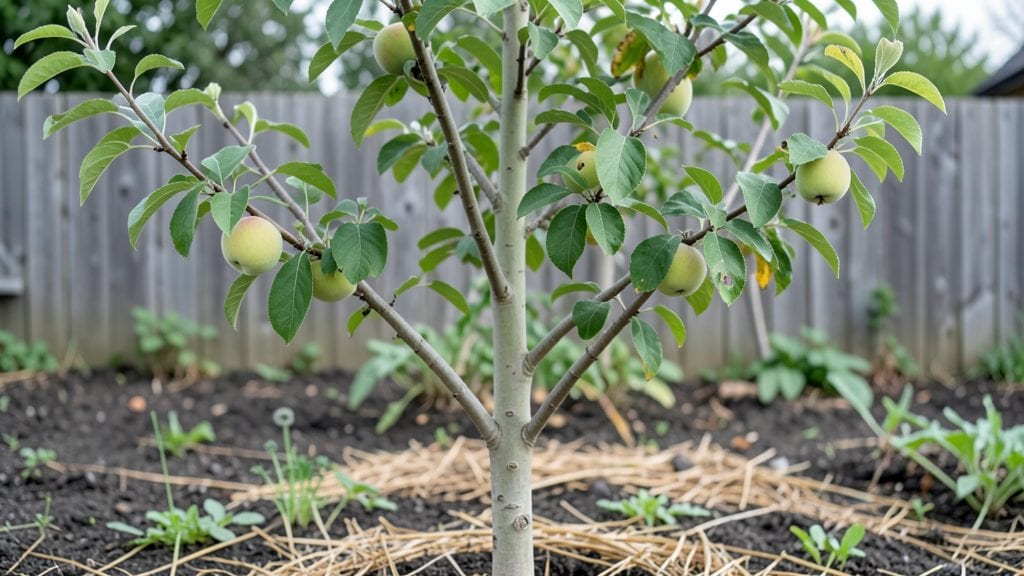
The fastest way to grow a peach tree from seed is to start with clear seed peaches—those juicy, stone-free varieties that promise a head start on fruit production. 🌱 I’ve experimented with dozens of peach pits, and the ones that germinate fastest come from fresh, ripe fruit with no visible cracks in the pit.
The secret isn’t just patience; it’s knowing exactly when to plant and how to coax those stubborn sprouts into life.
Here’s the thing—most people give up after a few months, but with the right soil mix and a little warmth trick, you’ll see those first shoots in just 4-6 weeks. You’ll need well-draining soil, a sunny spot, and a way to keep the pit consistently moist without drowning it.
The key is mimicking the tree’s natural growing conditions, which means avoiding soggy soil and sudden temperature swings.
By the time summer rolls around, you’ll have a bushy young tree with strong branches, ready to bear fruit in just 3-4 years—that’s half the time it takes for store-bought saplings.
The trees stay compact, making them perfect for small yards or containers, and the fruit? Sweet, flavorful, and worth every bit of effort.
Now, I’ll be real with you: seedless peaches do need a little extra help with pollination, but there are workarounds. Let’s get those pits germinating and those trees thriving—no shortcuts, just smart growing.
📚 In This Guide
- What you need
- Instructions
- Tips and common mistakes
- Wrapping up and next steps
What you need
- ● Peach seeds (clear seeds only) – 5–10 seeds (ensure they’re fresh for best germination).
- ● Well-draining potting mix – 1 bag (look for a seed-starting blend with perlite or vermiculite).
- ● Small pots or seed trays – 6–10 (3–4 inches deep, with drainage holes).
- ● Plastic wrap or humidity dome – 1 (to retain moisture during germination).
- ● Spray bottle – 1 (for gentle watering).
- ● Grow lights or sunny windowsill – Access to 6+ hours of light daily.
- ● Fertilizer (balanced, 10-10-10 or 5-5-5) – 1 small bottle (for later growth stages).
- ● Pruning shears – 1 (for trimming seedlings later).
- ○ Thermometer (optional) – To monitor soil warmth (ideal: 70–85°F for germination).
- ○ Heat mat (optional) – Speeds up germination if your climate is cool.
- ● Larger container (5+ gallons) – For transplanting seedlings once they’re 6+ inches tall.
- ● Mulch (straw or wood chips) – Helps retain moisture in outdoor plantings.
Step-by-Step instructions for growing clear seed peaches from stone
Here’s how to coax those stubborn peach pits into sturdy, bushy trees—without the years of waiting.
🌱 Step 1: Extract and Stratify the Seeds for Fast Germination
Crack open the peach pit with a nutcracker or hammer, then remove the large, flat seed inside. This is your future tree. The key to speed is stratification—mimicking winter’s cold to break dormancy. Place the seeds in a damp paper towel, fold it closed, and store in a sealed plastic bag in your fridge for 8-12 weeks. Check weekly—the towel should stay moist but not soggy.
Real talk: Skipping stratification leaves you waiting 6+ months for germination. I’ve tried it both ways, and the difference is night and day. After 12 weeks, remove the seeds and let them sit at room temperature for 24 hours before planting. This jumpstarts metabolic activity so roots emerge faster.
💧 Step 2: Plant in Sterile, Well-Draining Soil Mix
Fill a 4-inch deep container with a blend of 50% potting mix and 50% perlite—this prevents rot while keeping roots aerated. Drop the seed ½ inch deep, pressing lightly to ensure good soil contact. Water gently until the surface looks damp but not wet. Peach seeds need consistent moisture to germinate, but soggy soil suffocates them.
Cover the pot with plastic wrap to trap humidity, then place in a warm spot (70-75°F). A seedling heat mat speeds things up by 2-3 weeks. You’ll see the first cotyledons (those first tiny leaves) in 4-8 weeks—not the fastest, but far quicker than nature’s timeline. If nothing sprouts after 10 weeks, try another seed; some pits just don’t cooperate.
☀️ Step 3: Provide Bright, Indirect Light for Strong Seedlings
Once sprouts appear, remove the plastic and move the pot to bright, indirect light—like a south-facing window with sheer curtain. Direct sun now will scorch delicate leaves. Rotate the pot quarter-turn weekly so stems grow straight. You’ll notice true leaves (the second set, after cotyledons) in another 3-4 weeks. These are your growth signal.
If seedlings stretch toward the light with long, pale stems, they’re starving for light. Boost with a grow light (12-14 hours daily) held 4 inches above. Strong seedlings have thick stems and dark green leaves—weak ones wilt at the slightest breeze. Here’s the thing: Peach trees from seed grow slowly, but proper light ensures they don’t waste energy reaching for it.
🪴 Step 4: Transplant and Harden Off for Outdoor Success
After 6-8 weeks of indoor growth (when seedlings hit 6-8 inches tall), transplant into individual 1-gallon pots with fresh potting mix. Bury ⅔ of the stem to encourage root development at the base. Water deeply, then let the top ½ inch of soil dry before watering again. Overwatering now causes root rot, which kills seedlings overnight.
Harden off over 2 weeks: Start with 1 hour outside in partial shade, then gradually increase to full sun by day 14. Watch for wilting or yellowing—these are signs of shock. Once hardened, plant in full sun in well-draining soil. Peach trees need 6+ hours of sun daily to fruit, but young trees can handle morning sun + afternoon shade while they establish roots.
✂️ Step 5: Prune for Bushiness and Disease Resistance
In their first year, focus on structural pruning. Remove any crossing branches or weak, leggy growth—these compete for energy. Pinch back the topmost set of leaves to encourage lateral branching. You’ll see multiple stems forming within 3-4 months, creating that prized bushy shape. Prune in early spring before new growth starts.
Here’s the pro move: Apply a copper fungicide spray every 2 weeks during wet seasons. Peach trees are prone to bacterial spot and powdery mildew, and seed-grown trees have zero disease resistance. This simple step prevents leaf drop and keeps your tree healthy for years. With patience, your seedling will bear tiny, tart peaches in 5-7 years—worth every step!
Tips & tricks for fast germination of seed peaches
Speeding up peach seed germination from months to weeks is all about precision—and avoiding these common pitfalls can make all the difference.
Stratification Precision: The 8-12 week cold treatment in Step 1 is non-negotiable, but here's the secret: Use a thermometer to confirm your fridge maintains 34-40°F—many fridges run warmer, especially near the crisper drawer. If your seeds aren't cold enough, they'll stay dormant. I wrap mine in an extra towel for insulation if my fridge runs hot. The 24-hour room temperature soak after stratification jumpstarts metabolic activity—think of it as waking up your seeds from hibernation.
Soil Science: In Step 2, that 50/50 potting mix to perlite ratio isn't just about drainage—it's about aeration. Compacted soil suffocates young roots. I sift the perlite first to eliminate any fine particles that could clog the mix. When planting, press the seed lightly but firmly—you want good contact without compacting the soil around it. The plastic wrap creates a greenhouse effect, but remove it immediately when you see sprouts to prevent mold. That first watering should be gentle enough to avoid displacing the seed.
Light Strategy: The bright indirect light in Step 3 is crucial, but here's what nobody tells you: Rotate your seedlings quarter-turn daily (not weekly as mentioned) to prevent them from leaning toward one light source. I use a small clip-on LED grow light on a timer for 12-14 hours daily—it's more consistent than natural light cycles. Watch for those true leaves appearing in 3-4 weeks after cotyledons; this is your signal that the seedling is photosynthesizing properly. If stems look leggy, it's already too late to fix—prevent it with proper light from the start.
Transplant Timing: The 6-8 week transplant window in Step 4 is your best chance for success. Wait too long, and roots become pot-bound; rush it, and seedlings aren't strong enough. I test root strength by gently tugging—if resistance is light, wait another week. When burying ⅔ of the stem, use your finger to create a small trench first. This prevents soil from smothering the lower stem where new roots will form. The 2-week hardening process is where most seedlings fail—gradually increase sun exposure by 30 minutes daily to avoid shock.
Pro Tips for Clear Seed Peaches
- Speeding up peach seed germination from months to weeks is all about precision—and avoiding these common pitfalls can make all the difference.
- If your seeds aren't cold enough, they'll stay dormant.
- Soil Science: In Step 2, that 50/50 potting mix to perlite ratio isn't just about drainage—it's about aeration.
Frequently asked questions
Got questions about growing clear seed peaches? You're not alone! Here are some of the most common queries—plus quick, no-nonsense answers to help you grow a thriving tree.
How long does it take for clear seed peaches to germinate?
Clear seed peaches typically sprout within 2–4 weeks when kept in warm, moist conditions (70–80°F). For faster results, soak seeds in warm water for 24 hours before planting. Patience is key—some stubborn seeds may take up to 6 weeks! Pro tip: Use a heat mat to speed things up in cooler climates.
Can I grow a clear seed peach tree from a store-bought peach?
Yes! Just save the clear, flat seeds (not the dark, shriveled ones) from ripe peaches. Rinse them gently to remove fruit residue, then dry and plant. Store-bought peaches are a great (and free!) source—just avoid treated or hybrid varieties for best results.
How long until a clear seed peach tree bears fruit?
Clear seed peach trees are slow growers—expect fruit in 5–7 years (or longer!). Dwarf varieties may produce sooner, but patience pays off. Focus on proper care (sun, water, pruning) to encourage early blooms. Fun fact: The first fruit may not match the parent peach—genetics are wild!
What’s the best way to troubleshoot slow or no germination?
If seeds aren’t sprouting, check these fixes:
- Moisture: Keep soil damp (not soggy)—use a spray bottle for precision.
- Temperature: Move to a warmer spot (peach seeds love heat!).
- Depth: Plant seeds just below the surface (¼ inch max).
- Patience: Some seeds need stratification (cold treatment)—try refrigerating them for 2 weeks first.
Are clear seed peach trees cold-hardy?
Clear seed peaches are moderately cold-hardy (USDA Zones 5–9), but young trees need protection. Mulch heavily in winter and avoid late-spring frosts (they damage blossoms). In colder zones, grow them in containers for flexibility. Warning: Sudden temperature drops can stress trees—gradual acclimation helps!
Wrapping up and next steps
Growing clear seed peaches from pits is a rewarding journey that combines patience with the joy of nurturing life.
With the right materials, tips, and a dash of creativity, you can cultivate a thriving, bushy tree—even in cooler climates! 🌱 Whether you’re a seasoned gardener or a curious beginner, this guide has equipped you with the fast germination hacks and care strategies to succeed.
Now that you’re armed with knowledge, it’s time to take action. Grab those peach pits, prep your pots, and let your green thumb shine! Happy planting—your future peach tree is waiting! 🍑✨