Watering
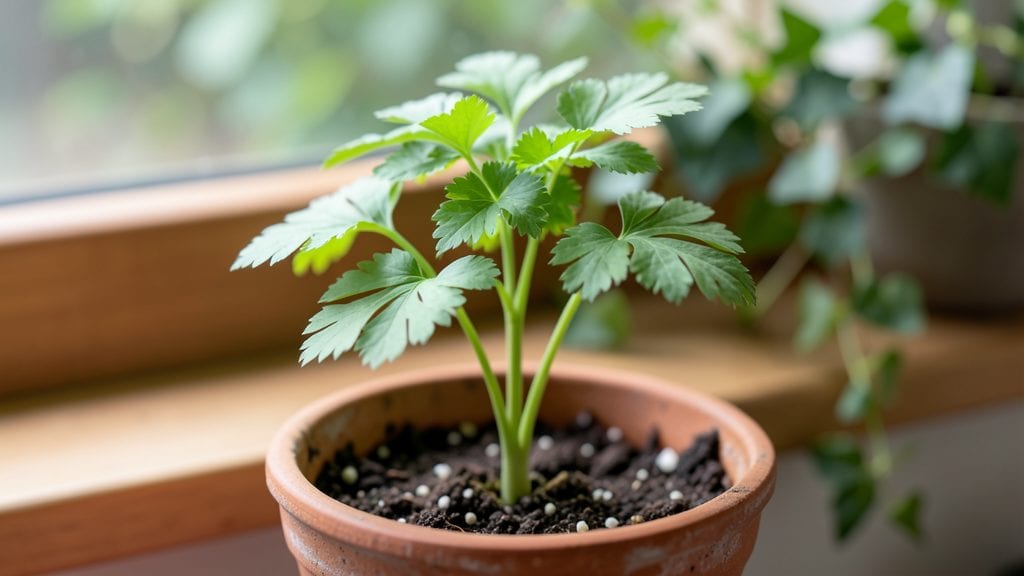
The stages of cilantro seedlings unfold with surprising speed—from delicate sprouts to fragrant harvests—if you know what to watch for. 🌱 The first true leaves appear within 7-10 days, and that’s when the real magic begins: identifying healthy growth from... weak starts.
I’ve learned that skipping this stage means either bolting too soon or struggling with leggy seedlings that never mature.
Once those first leaves unfurl, you’re looking for bright green, serrated edges—a sign of strong, disease-resistant plants. Organic growers swear by a light misting schedule (every 2-3 days) to avoid damping-off, while conventional gardeners often rely on pre-moistened seed-starting mixes.
The key difference? Organic seedlings may grow slightly slower but develop deeper root systems over time.
By 3-4 weeks, your seedlings should be 3-4 inches tall with 4-6 true leaves—this is your window to transplant. Pinch the tops to encourage bushier growth, and harden them off for 5-7 days before moving outside.
The payoff? A 6-8 week journey from seed to harvest, with that unmistakable cilantro aroma filling your garden.
Here’s the secret weapon: consistent moisture and partial shade during hot afternoons. Overwatering at this stage is the #1 mistake—even experienced gardeners do it. Let’s break down each stage so you can troubleshoot before problems start.
📚 In This Guide
- What you need
- Instructions
- Tips and common mistakes
- Wrapping up and next steps
What you need
- ● Cilantro seeds: 1 packet (~50–100 seeds, organic preferred for better germination).
- ● Seed-starting mix: 1 small bag (1–2 quarts) of lightweight, sterile potting soil (avoid garden soil—it’s too dense!).
- ● Containers: 2–4 small pots (2–3 inches deep) or
- ● 1 shallow tray with drainage holes (for sowing multiple seeds at once).
- ● Watering can or spray bottle: With a fine mist nozzle for gentle hydration.
- ● Grow lights or sunny windowsill: A south-facing window or a 12–16" LED grow light (for 12–14 hours/day).
- ● Plant labels: To track seedling stages (e.g., date sown, variety).
- ● Humidity dome: A clear plastic cover to retain moisture during early growth.
- ● Fertilizer: Balanced liquid fertilizer (5-5-5 or 10-10-10) for transplanting.
- ● Tweezers or small spoon: For careful seed placement.
- ● Thermometer: To monitor soil temp (ideal: 60–70°F for germination).
Step-by-step guide to identifying cilantro seedling stages
Watch your cilantro transform from tiny sprouts to lush, harvestable greens with these clear visual milestones.
🌱 Step 1: Recognize Germination and First True Leaves
Germination begins 5-10 days after sowing, when you’ll spot cotyledons—those first two round, spoon-shaped leaves. They’re not true leaves but the plant’s first energy boost from stored nutrients. Don’t mistake them for failure if they look simple; they’re just the foundation.
Once cotyledons unfurl, wait another 7-10 days for the first true leaves to emerge. These will be lance-shaped and serrated, unlike the smooth cotyledons. True leaves signal the plant is photosynthesizing independently—this is when you can start gentle fertilizing if using the 5-5-5 fertilizer from your supplies.
🌿 Step 2: Monitor Early Growth and Leaf Development
By 3-4 weeks, your seedlings should have 4-6 true leaves and a thickened stem about 4-6 inches tall. The leaves will be bright green and feathery, with a distinctive cilantro aroma when crushed. This is the stage where you’ll see branching—side stems forming from the base.
If leaves appear yellow or limp, you’re overwatering. Cilantro hates soggy roots—water only when the top inch of soil feels dry. At this stage, I pinch off the top set of leaves to encourage bushier growth. It’s counterintuitive, but it prevents leggy, weak stems.
✂️ Step 3: Identify Harvest-Ready Stages
Your cilantro is ready for first harvest when the outer leaves reach 3-4 inches long and the plant has 8-10 leaves total. Cut stems 1 inch above the base with clean shears to avoid damaging the crown. The plant will regrow from the base, giving you multiple harvests over 4-6 weeks.
Watch for bolting signs—long stems with white flower buds—after 6-8 weeks. If this happens, harvest immediately or the flavor turns bitter. To delay bolting, keep plants in partial shade during hot afternoons and ensure consistent moisture with the 1 gallon watering can from your supplies.
💧 Step 4: Maintain Through Regrowth
After harvesting, new leaves will emerge in 7-10 days. These second-flush leaves are often more flavorful than the first. Keep soil evenly moist but never waterlogged—cilantro roots rot quickly in saturated conditions. A light layer of mulch (like the 2 cups straw mulch) helps retain moisture without smothering the plant.
If your cilantro bolts before you’re ready, don’t toss it. The flowers attract pollinators, and the seeds are edible (though stronger-tasting). For a second crop, replant seeds every 2 weeks—this staggered approach ensures a continuous supply of fresh cilantro all season.
Tips & tricks for perfect cilantro seedling growth
Growing cilantro from seed can be tricky, but these insider tips will help you avoid common pitfalls and maximize your harvest.
Lighting is Everything: Cilantro seedlings need bright light to prevent legginess. Place them in a sunny window or under grow lights for 12-14 hours daily. I've learned the hard way that weak light causes stretched, pale stems that flop over. If your seedlings start leaning toward the light, rotate the tray daily for even growth.
Pinching Technique: When your plants reach 4-6 inches tall (around 3-4 weeks), pinch off the top set of leaves just above a pair of leaves. This might seem counterintuitive, but it encourages bushier growth by stimulating side shoots. I used to skip this step and ended up with tall, sparse plants that bolted quickly.
Watering Wisdom: Cilantro roots are shallow and sensitive to moisture extremes. Water only when the top inch of soil feels dry, and always use room-temperature water. I've found that morning watering prevents fungal issues, and using a spray bottle for seedlings helps avoid disturbing the delicate soil. The 1 gallon watering can from your supplies works perfectly for established plants.
Soil Secrets: Well-draining soil is non-negotiable for cilantro. Mix in some compost or aged manure to improve fertility without compacting the soil. I've had success with a 50/50 blend of potting mix and perlite. Avoid heavy garden soil that can suffocate roots and lead to rot. The 2 cups straw mulch mentioned in your supplies helps retain moisture while preventing soil compaction.
Pro Tips for Cilantro Seedling Stages
- Growing cilantro from seed can be tricky, but these insider tips will help you avoid common pitfalls and maximize your harvest.
- Lighting is Everything: Cilantro seedlings need bright light to prevent legginess.
- Pinching Technique: When your plants reach 4-6 inches tall (around 3-4 weeks), pinch off the top set of leaves just above a pair of leaves.
Frequently asked questions
Got questions about growing cilantro seedlings?
You’re not alone! Here are answers to the most common queries to help your cilantro thrive from seed to harvest.
How long does it take for cilantro seedlings to sprout?
Cilantro seeds typically sprout in 7–14 days under ideal conditions (warm soil, consistent moisture, and indirect light). If germination takes longer, check soil temperature—cilantro prefers 60–70°F (15–21°C). Patience is key!
Why are my cilantro seedlings growing so slowly?
Slow growth often stems from cool temperatures, poor soil, or overcrowding. Cilantro thrives in cool weather but bolts (goes to seed) in heat. Thin seedlings to 3–4 inches apart and ensure well-draining soil with compost for faster, healthier growth.
How often should I water cilantro seedlings?
Keep soil consistently moist but not soggy—water when the top inch feels dry. Overwatering can cause damping-off (a fungal disease). Use a spray bottle for gentle watering, and avoid wetting leaves to prevent mildew.
Can I transplant cilantro seedlings, or should I direct-sow?
Both work! Direct-sowing (planting seeds outdoors) is easiest for cilantro, as seedlings hate being transplanted (they’re sensitive to root disturbance). If starting indoors, use biodegradable pots and transplant carefully to minimize stress.
What do I do if my cilantro seedlings turn yellow?
Yellowing leaves usually signal overwatering, nutrient deficiency, or pests. Check for root rot (mushy stems) or aphids. Adjust watering, add balanced fertilizer, and inspect undersides of leaves. If caught early, most seedlings recover!
Wrapping up and next steps
Growing cilantro from seed is a rewarding journey that starts with tiny sprouts and ends with vibrant, flavorful greens! By understanding each cilantro seedling stage—from germination to true leaves—you’ll set your plants up for success.
With patience, the right care, and a little attention to watering and sunlight, your garden will soon be bursting with fresh cilantro ready for harvest.
Ready to take the next step? Try transplanting your seedlings once they’ve developed 2-3 sets of true leaves—just follow best practices for spacing and soil prep. Happy growing! 🌱✨