
Pests
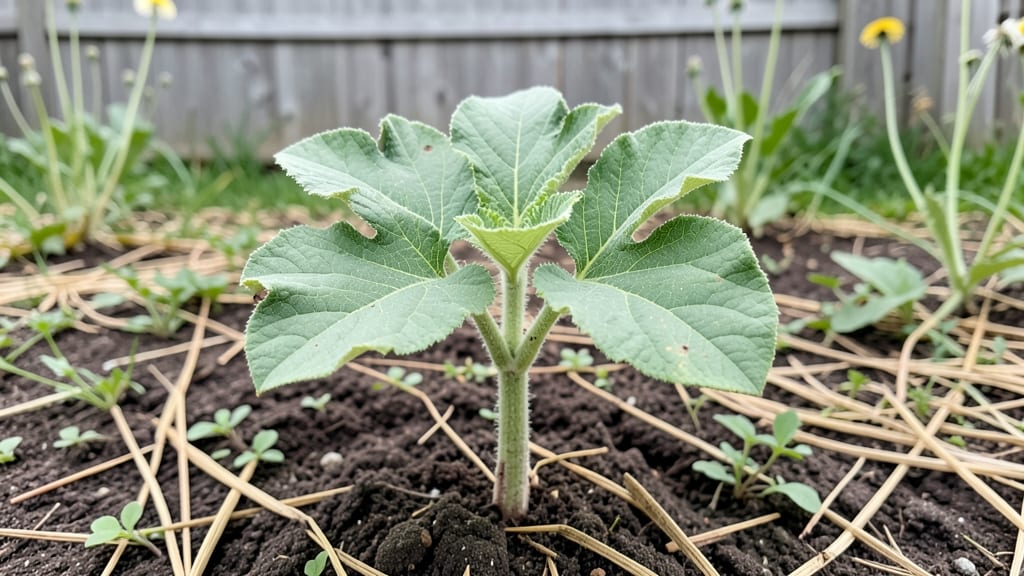
Cantaloupe seedling leaves turning yellow or spotted? Those are the first warning signs pests are moving in. 🌱 I’ve seen squash vine borers and aphids turn healthy seedlings into sad, wilted messes in just days—if you catch the problem early, you can save your whole crop before it’s too late.
The key is checking the undersides of leaves for tiny eggs or chewed edges—those are the dead giveaways. A strong spray of neem oil or introducing ladybugs can stop the damage before it spreads. Most gardeners wait too long, and by then, the seedlings are already struggling to recover.
📚 In This Guide
- What you need
- Instructions
- Tips and common mistakes
- Wrapping up and next steps
What you need
- ● Cantaloupe seedlings: 3–10 plants (depending on garden space; start small if testing methods).
- ● Garden trowel: 1 (for gentle soil checks without disturbing roots).
- ● Magnifying glass: 1 (10x magnification ideal for spotting tiny pests like aphids or spider mites).
- ● Spray bottle (8–16 oz): 1 (for homemade pest solutions; choose a fine-mist nozzle).
- ● Neem oil (organic): 1 bottle (16–32 oz; look for Azadirachta indica extract).
- ● Insecticidal soap: 1 bottle (16 oz; ensure it’s mild and plant-safe).
- ● Yellow sticky traps: 2–4 traps (for monitoring flying pests like whiteflies).
- ● Gloves (nitrile or cotton): 1 pair (to protect hands from oils and pests).
- ● Pruning shears: 1 (for removing heavily infested leaves).
- ● Watering can or hose (with adjustable nozzle): 1 (for rinsing pests off leaves).
- ● Beneficial nematodes: 1–2 lbs (for soil-dwelling pest control; Steinernema or Heterorhabditis species).
- ● Ladybugs or lacewing larvae: 50–100 (release in early morning for natural aphid control).
- ● Row covers (floating fabric): 1–2 (to physically block pests like cucumber beetles).
- ● pH test kit: 1 (to ensure soil pH is 6.0–6.8, optimal for cantaloupe health).
- ● Camera (smartphone or DSLR): 1 (for documenting pests and progress).
- ● Journal/notebook: 1 (to track pest sightings and treatment effectiveness).
How to care for cantaloupe seedling leaves and prevent early pest damage
Your cantaloupe seedlings are fragile—here’s how to protect their leaves from pests before they even appear.
🌱 Step 1: Inspect Seedling Leaves Daily for Early Signs
Start checking your cantaloupe seedling leaves 3-5 days after germination—that’s when tiny pests like aphids or spider mites begin their attack. Look closely for tiny white specks (aphids), fine webbing (spider mites), or yellowing edges on leaves. I use a handheld magnifying glass to spot early signs before they spread.
Morning is the best time to inspect—pests are sluggish then, making them easier to see. If you spot anything, don’t wait. Early action keeps seedlings strong and prevents stunted growth. Healthy leaves should be deep green, firm, and free of holes.
💧 Step 2: Water Seedlings at the Base to Avoid Leaf Attraction
Water cantaloupe seedlings at the soil level, not over the leaves. Wet foliage attracts pests like fungus gnats and aphids, which thrive in damp conditions. Use a watering can with a narrow spout to direct moisture right where the stem meets the soil.
Water in the early morning so leaves dry quickly. You’ll know you’ve got it right when only the top ½ inch of soil feels damp—not soggy. Overwatering weakens seedlings, making them more vulnerable to pests. If leaves start yellowing at the edges, you’re likely overwatering.
☀️ Step 3: Provide Bright, Indirect Light to Strengthen Leaves
Cantaloupe seedlings need 6-8 hours of bright, indirect light daily to develop sturdy leaves. Place them near a south-facing window or under a grow light if natural light is weak. Direct sun can scorch tender leaves, so avoid placing them in harsh afternoon rays.
Watch for leggy growth—when seedlings stretch toward light with pale, thin leaves. This is a sign they’re not getting enough light. If you see this, move them closer to the light source or increase grow light hours. Strong, compact seedlings resist pests better than weak ones.
✂️ Step 4: Prune Damaged Leaves Immediately to Prevent Spread
If you find a leaf with holes, spots, or pests, snip it off with clean scissors right at the stem. Don’t leave damaged leaves—pests multiply fast. Dispose of pruned leaves in a sealed bag, not your compost pile, to stop reinfestation.
Focus on removing only the affected areas. Healthy leaves should stay intact. After pruning, spray the remaining plant with a neem oil solution (1 tsp neem oil + 1 quart water) to deter pests. Repeat every 3-5 days until seedlings are pest-free.
🪴 Step 5: Use Row Covers or Fine Mesh to Shield Seedlings
If pests are already present, cover seedlings with lightweight row covers or fine mesh to block insects while allowing light and air to pass through. Secure the edges tightly with clips or soil weights to prevent pests from crawling underneath.
Check seedlings daily under the cover to ensure they’re still getting enough air. If leaves look wilting or overly damp, remove the cover for 1-2 hours daily to ventilate. This method works best for aphids, whiteflies, and cucumber beetles, common early cantaloupe pests.
Tips & tricks for protecting cantaloupe seedling leaves
Here's what I've learned from years of battling pests with cantaloupe seedlings—these tricks make all the difference.
Inspection Timing: Those 3-5 days after germination are critical. I've found that checking seedlings at the same time every morning (right after watering) creates a habit that catches problems early. Use a small flashlight to inspect the undersides of leaves—pests love to hide there. The earlier you spot them, the easier they are to remove before they spread.
Watering Technique: The key to avoiding leaf-attracting moisture is using a watering can with a narrow spout. I've tried spray bottles, but they create too much mist that lingers on leaves. Aim for the soil at the base, and stop when you see moisture just reach the top ½ inch. If you're unsure, stick your finger in—it should feel damp but not wet. Overwatering is the #1 reason seedlings become pest magnets.
Light Strategy: For the 6-8 hours of bright, indirect light, I position my seedlings on a rotating tray near my south-facing window. Every few days, I rotate them ¼ turn so all sides get equal light. This prevents leggy growth and keeps leaves strong enough to resist pests. If you notice seedlings stretching toward the light, it's time to move them closer to the source or add a grow light.
Pruning Precision: When removing damaged leaves in Step 4, I use sterilized scissors dipped in rubbing alcohol between cuts. This prevents spreading any hidden pathogens. After pruning, I always spray with neem oil solution (1 tsp neem oil + 1 quart water) immediately—don't wait until the next scheduled treatment. The 3-5 day frequency is perfect because it gives the neem oil time to work while keeping pests from getting established.
Pro Tips for Cantaloupe Seedling Leaves
- Here's what I've learned from years of battling pests with cantaloupe seedlings—these tricks make all the difference.
- Inspection Timing: Those 3-5 days after germination are critical.
- Watering Technique: The key to avoiding leaf-attracting moisture is using a watering can with a narrow spout.
Frequently asked questions
Got questions about cantaloupe seedling leaves? You’re not alone! Here are some of the most common concerns—plus quick fixes to keep your seedlings thriving.
Why are my cantaloupe seedling leaves turning yellow?
Yellowing leaves (chlorosis) often signal overwatering or nutrient deficiencies, like lack of nitrogen or magnesium. Check soil moisture—it should stay consistently damp but not soggy. Amend soil with compost or a balanced fertilizer (10-10-10) if needed. Preventative care like proper drainage can save your seedlings!
What pests attack cantaloupe seedling leaves first?
Watch for aphids, spider mites, and cucumber beetles—they’re early offenders! Aphids cluster on undersides, while spider mites leave fine webbing. Cucumber beetles chew jagged holes. Spot them early by inspecting leaves daily. Neem oil or insecticidal soap (applied at dusk) works wonders for young plants.
How long until cantaloupe seedling leaves are safe from pests?
Seedlings are most vulnerable for the first 4–6 weeks after germination. Once leaves are fully hardened (about 2–3 inches wide) and vines start forming, they’re less appealing to pests. Use row covers or reflective mulch during this window for extra protection.
Can I use homemade sprays on cantaloupe seedling leaves?
Try a soapy water spray (1 tsp mild castile soap + 1 quart water) for aphids or a garlic-chili spray (blend 2 garlic cloves + 1 tbsp cayenne + 1 quart water; strain and spray). Test on a few leaves first to avoid burns. For stubborn pests, rotate with neem oil every 5–7 days.
What’s an alternative if my seedling leaves get too damaged?
If >50% of leaves are eaten or diseased, prune the damaged foliage and focus care on healthy growth. For severe cases, transplant the seedling to fresh soil and isolate it for 2–3 days to monitor. Don’t replant—cantaloupes resent disturbance. Instead, boost its resilience with mycorrhizal fungi or compost tea.
Wrapping up and next steps
Caring for your cantaloupe seedlings starts with vigilance—early detection of pests like aphids, spider mites, or fungal issues can save your harvest! 🌱 With the right tools (neem oil, insecticidal soap, or companion planting) and a little patience, you can keep your young leaves thriving. Don’t wait for problems to escalate—act now!
Ready to take action? Start by inspecting your seedlings daily and apply preventive treatments before pests become a bigger issue. Your future cantaloupe bounty will thank you! 🍉