
Lawn
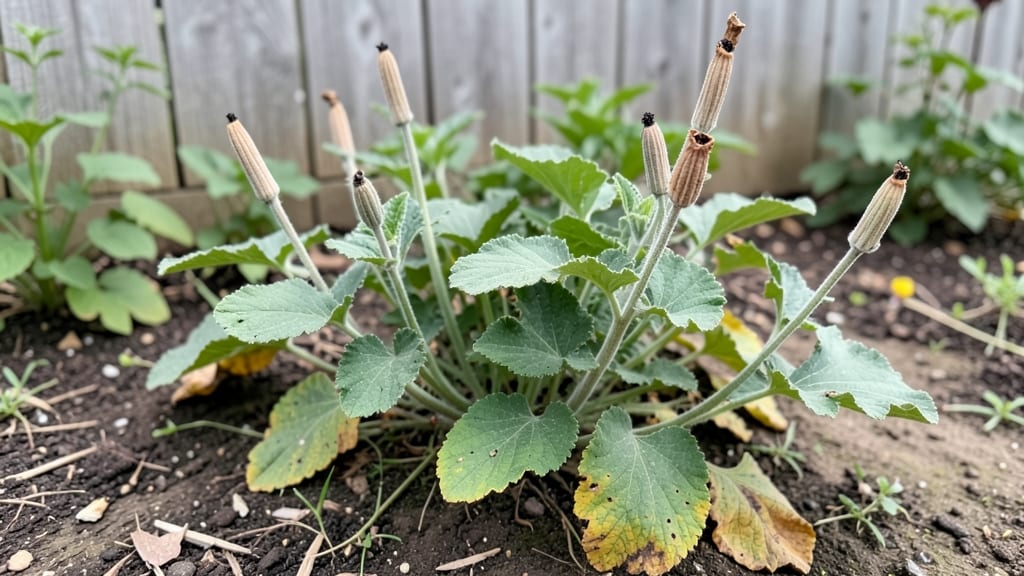
Harvesting borage seed pods transforms your garden into a goldmine of homegrown oil potential. 🌿 The moment those star-shaped flowers fade into dry, papery pods is your cue—each one holds seeds packed with nutrients and culinary magic.
I’ve watched my borage plants go from wild volunteers to a reliable seed source, and the process is simpler than you’d think.
The key is timing: wait until the pods turn brown and split open naturally, usually in late summer or early fall. Grab a basket and snip them clean from the stem—no need for gloves, just a sharp pair of scissors and a sunny day.
You’ll need about 100 pods to yield a single tablespoon of oil, but the journey is worth it for the fresh, nutty flavor it adds to salads and dressings.
Drying takes patience, but the results are worth it. Spread the pods in a single layer on a mesh screen or paper towels, then let them cure in a warm, dry spot for two weeks.
Once completely dry, rub the pods between your palms to release the seeds—store them in an airtight jar in a cool, dark place for up to two years. The seeds keep their viability, ready for next season’s planting.
Beyond oil, these seeds are a powerhouse for self-seeding your garden or attracting pollinators. My borage always comes back thicker than before, proving that a little effort now saves time—and money—later. Ready to turn those pods into your next gardening secret weapon?
📚 In This Guide
- What you need
- Instructions
- Tips and common mistakes
- Wrapping up and next steps
What you need
- ● Fresh borage seed pods: Harvest only fully mature pods (dry, brown, and slightly papery). Aim for 1–2 cups (about 100–200g) for a small batch of oil.
- ● Cheesecloth or fine mesh strainer: 100-micron or finer to filter seeds from pulp (1–2 pieces).
- ● Glass jars or airtight containers: 1–2 quart-sized with tight-sealing lids (sterilized with boiling water).
- ● Food-grade olive oil or carrier oil: High-quality, unrefined (e.g., cold-pressed sunflower or almond oil). Use 1 cup (240ml) per 1 cup of seeds.
- ● Dark glass bottles: 4–8 oz with dropper caps (amber or cobalt glass to block light).
- ● Mortar and pestle: For crushing pods if seeds are stubbornly stuck.
- ● Food dehydrator or oven: Pre-dry pods at 95°F (35°C) for 4–6 hours to remove moisture before processing.
- ● Label maker or masking tape: To mark jars/bottles with dates and contents.
- ● Small funnel: To avoid oil spills when transferring to bottles.
- ● Dark storage box: For finished oil (keep in a cool, dark place).
Step-by-step instructions for harvesting and drying borage seed pods
Here's how to turn your borage plants into a treasure trove of seeds for oil—simple, rewarding work.
🌿 Step 1: Identify and Harvest Mature Seed Pods
Borage seed pods turn from green to a papery brown when ready—wait until they split open naturally or dry on the plant. The best time to harvest is on a dry morning after dew has evaporated. Use clean, sharp scissors or pruners to snip the entire stem with pods attached, leaving a few inches of stem for handling.
Don’t rush this step. Green pods contain immature seeds that won’t store well. You’ll know they’re ready when the pods feel dry and brittle to the touch. Harvesting too early means wasted effort—wait for that crisp, papery texture.
✂️ Step 2: Remove Seeds from Pods
Lay the harvested stems on a clean, dry towel or newspaper. Gently rub the pods between your palms or tap them lightly with a wooden spoon to release the seeds. The seeds should fall out easily once the pods are fully dry. Avoid using metal tools—they can damage the delicate seeds.
Sift through the debris to separate seeds from chaff. A fine-mesh strainer or colander works perfectly. Discard any remaining plant matter, but save the seeds. They’re small, dark, and resemble tiny grains of rice. Store them in a labeled paper envelope until drying.
☀️ Step 3: Dry Seeds Thoroughly
Spread the seeds in a single layer on a screen, paper towel, or clean baking sheet. Place them in a warm, dry, and well-ventilated area away from direct sunlight. A sunny windowsill works well, but avoid hot spots that could overheat the seeds. Stir them gently every few hours to ensure even drying.
Drying takes about 3-5 days depending on humidity. The seeds are ready when they’re completely dry to the touch and no longer feel damp. Test by pressing a seed between your fingers—it should feel hard and crisp. Store dried seeds in an airtight container in a cool, dark place.
🪴 Step 4: Store Seeds for Long-Term Use
Transfer the dried seeds to a sealed glass jar or airtight container. Label it with the date and variety for future reference. Store in a cool, dark pantry or refrigerator to maintain freshness. Properly stored borage seeds remain viable for up to 2 years, making them a great investment for next season’s garden.
If you’re saving seeds for oil extraction, keep them in a separate container from those meant for planting. The drying process ensures they’re ready for cold-pressing into nutrient-rich borage oil—just wait until you’re ready to process them.
Tips & tricks for perfect borage seed pod harvesting
These simple tricks will help you turn your borage plants into a bountiful seed harvest without the common pitfalls.
Timing is Everything: I can't stress this enough—harvest your borage pods in the morning after dew has evaporated. The pods are at their crispest then, making them easier to handle and ensuring maximum seed quality. If you harvest later in the day, the pods might be more pliable, making them harder to process. Trust me, that morning harvest makes all the difference in seed yield and quality.
The Texture Test: When checking if pods are ready, don't just look at the color—feel them! Mature pods should feel dry and brittle, almost like crumpled paper. If they still feel slightly moist or bendy, they need more time. I learned this the hard way after harvesting green pods that yielded almost no usable seeds. This simple touch test saves hours of wasted effort.
Gentle Handling: Metal tools are the enemy of delicate borage seeds. I've ruined batches by using metal spoons or strainers that nick the seeds, making them less viable. Stick to wooden spoons, plastic colanders, or even your clean hands for processing. The seeds are tough but not indestructible—handle them with care, and you'll preserve their quality.
Drying Strategy: For even drying, spread seeds on a screen or clean baking sheet in a single layer. I like to use a mesh screen because it allows airflow from both sides, cutting drying time. Place it in a warm, well-ventilated spot—like a sunny windowsill—but avoid direct sunlight which can overheat and damage the seeds. Stir them every few hours to prevent clumping, and you'll have perfectly dried seeds ready for storage in just 3-5 days.
Pro Tips for Borage Seed Pods
- These simple tricks will help you turn your borage plants into a bountiful seed harvest without the common pitfalls.
- Timing is Everything: I can't stress this enough—harvest your borage pods in the morning after dew has evaporated.
- The Texture Test: When checking if pods are ready, don't just look at the color—feel them!
Frequently asked questions
Got questions about borage seed pods?
You’re not alone! Whether you’re a first-time harvester or just curious about these little powerhouses, here are some of the most common queries—and their answers—to help you master the process.
When is the best time to harvest borage seed pods?
Harvest borage seed pods when they’re fully brown and dry but before they split open—usually late summer to early fall. Check pods daily in the last weeks of the season, as they release seeds quickly once mature. Morning harvests work best, as dew can make pods stickier and harder to handle.
How long does it take for borage seed pods to dry completely?
Drying time varies, but most pods are ready in 1–2 weeks if hung in a cool, dark, well-ventilated space (like a garage or shed). Avoid humidity—moisture speeds up mold growth. Test by gently squeezing a pod; if it crumbles easily, it’s dry and ready for storage.
What if my borage seed pods split before I can harvest them?
No worries! If pods crack open, collect the seeds immediately—they’re still viable. Scatter them on a tray to dry, then store them in a sealed container. For next time, try harvesting earlier or using breathable mesh bags over the pods to slow seed release.
Can I use borage seed pods if they’re not completely dry?
Fresh pods won’t work for oil extraction—they need to be bone-dry to prevent mold and spoilage. If you’re in a hurry, spread them in a single layer on a screen or paper towel in a warm, dry spot (like a sunny windowsill) for 2–3 days. Just avoid direct sunlight to prevent overheating.
What’s the best way to store dried borage seed pods?
Keep pods in an airtight glass jar or sealed container in a cool, dark place (like a pantry). They’ll stay fresh for 6–12 months. For longer storage, freeze pods in a ziplock bag—this preserves their potency for up to 2 years.
Still have questions? Drop them in the comments—we’re happy to help you turn those pods into golden borage oil!
Wrapping up and next steps
Harvesting and drying borage seed pods is a rewarding way to unlock the benefits of this nutrient-rich plant—whether for culinary, medicinal, or skincare uses.
With the right timing, tools, and techniques, you’ll enjoy a bountiful yield of high-quality seeds for homemade oil or other creative projects. Now’s your chance to turn your garden into a treasure trove!
Ready to take the next step? Start small—plant a few borage seeds this season and experiment with drying methods to find what works best for your space. Happy harvesting! 🌱✨