
Trees
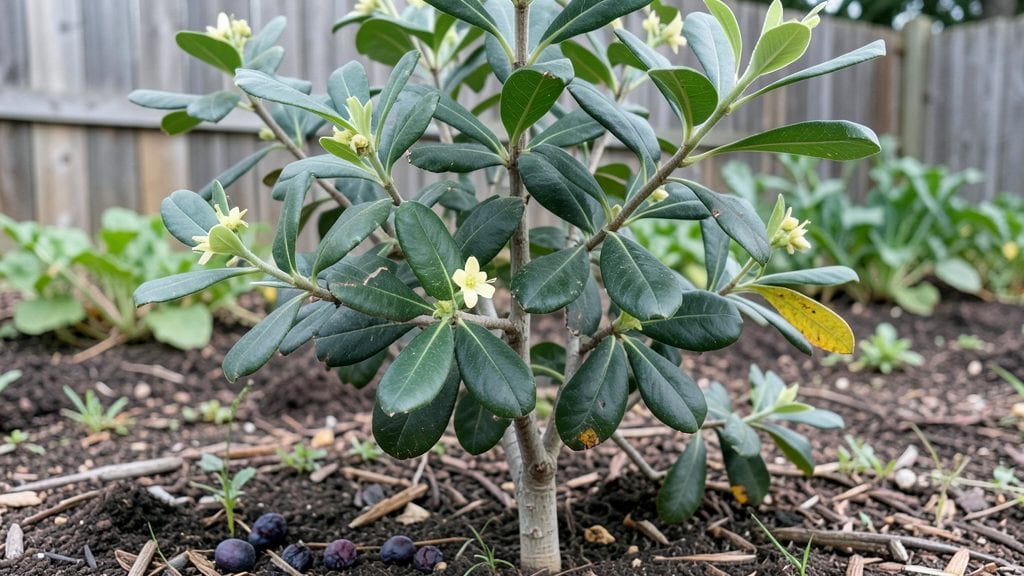
Growing a fragrant bay leaves tree from seeds is faster than you think—if you know the right tricks. 🌱 I’ve struggled with slow germination before, but these steps cut the wait time nearly in half while ensuring strong, healthy starts.
The secret lies in breaking dormancy and mimicking the Mediterranean climate these trees crave.
Start with fresh, plump seeds (store-bought dried leaves won’t work—save those for cooking!). Soak them overnight to soften the tough outer shell, then plant them just below the surface in a mix of sandy soil and perlite.
Keep the pot in bright, indirect light and maintain 70-75°F soil temps for consistent sprouting within 2-4 weeks. Patience pays off when those first glossy leaves appear.
📚 In This Guide
- What you need
- Instructions
- Tips and common mistakes
- Wrapping up and next steps
What you need
- ● Bay laurel seeds: 5–10 fresh, plump seeds (harvested from organic, pesticide-free sources for best results). Pro tip: Soak seeds in warm water for 24 hours to soften the hard outer shell!
- ○ Seed-starting trays or small pots: 2–4 (3–4 inches deep) with drainage holes. Optional: Use biodegradable peat pots for easy transplanting.
- ● High-quality potting mix: 1–2 bags of well-draining, sterile seed-starting mix (avoid garden soil—it’s too dense!).
- ● Spray bottle: For gentle watering (no harsh streams!).
- ● Plastic wrap or humidity dome: To create a mini greenhouse effect.
- ● Grow lights or sunny windowsill: A south-facing window or LED grow lights (12–16 hours/day) for optimal light.
- ○ Heat mat (optional but helpful): Keeps soil warm (70–75°F) to speed up germination.
- ● Patience: Bay seeds can take 4–12 weeks to sprout—stay consistent!
- ● Warmth: Ideal germination temp is 70–80°F (use a heat mat if your home is cooler).
- ● Humidity control: Maintain moisture without drowning seeds (think damp, not soggy!).
- ● Space for growth: Seedlings need room to stretch—plan for repotting in 6–12 months.
Step-by-step instructions for growing bay leaves from seeds
Here's how to coax those stubborn bay seeds into sprouts—no black magic, just science.
🌱 Step 1: Pre-Treat Seeds for Faster Germination
Bay seeds have a tough outer shell that needs help breaking down. First, soak them in warm water for 24 hours. I use a small bowl and place it in the microwave for 30 seconds to keep the water warm. This softens the seed coat and speeds up germination from weeks to days.
After soaking, rub the seeds gently between two layers of paper towel to remove the outer skin. You'll see a slight resistance—don't scrub too hard, just enough to expose the seed inside. This step is crucial because untreated seeds can take 4-6 weeks or longer to sprout, if they sprout at all.
💧 Step 2: Plant in Warm, Moist Soil
Fill your 4-inch pots with moistened potting mix—bay seeds need warmth to germinate. I like to pre-warm the soil by placing the pots in a sunny window for an hour before planting. This mimics their natural tropical environment and encourages faster growth.
Plant the pre-treated seeds ½ inch deep in the soil. Space them about 1 inch apart since they'll need room to grow. Press gently but don't compact the soil too much. The goal is to create a cozy, warm bed where the seeds can push through easily.
☀️ Step 3: Maintain Warmth and Humidity
Bay seeds thrive in 75-85°F soil temperatures. Place your pots on a seedling heat mat or in a warm spot like on top of your fridge. I cover the pots with clear plastic wrap to trap humidity—this keeps the soil consistently moist without overwatering.
Check the soil daily and mist lightly if it feels dry to the touch. You'll know you're doing it right when condensation forms on the plastic wrap. Remove the wrap once you see the first signs of sprouting, usually within 7-14 days. This prevents mold from forming around the young seedlings.
🌿 Step 4: Transplant When Strong Enough
Once seedlings reach 3-4 inches tall and have developed their first true leaves, they're ready to move to larger pots. I use 6-inch pots for this stage because bay trees grow quickly and need room for their roots to spread.
Transplant carefully, keeping the root ball intact. Water thoroughly after transplanting to help the roots settle into their new home. Place the pots in bright, indirect light at first—direct sun can scorch young leaves. Gradually introduce more sunlight over 1-2 weeks to harden them off.
⏰ Step 5: Prune and Train for Bushier Growth
Bay trees grow tall but can become leggy if not pruned early. Once your seedlings are 6-8 inches tall, pinch off the top set of leaves. This encourages the plant to branch out and grow bushier. I also rotate the pots weekly so the plant grows evenly toward the light.
Continue pruning regularly to maintain shape and encourage dense foliage. Bay trees respond well to pruning, so don't be afraid to trim back any leggy growth. Within a few months, you'll have a sturdy, bushy bay tree ready for transplanting outdoors or keeping as a houseplant.
Tips & tricks for fast bay leaf seed germination
To get those bay seeds sprouting quickly and reliably, here are my battle-tested tricks that cut weeks off the germination time.
Soaking Secret: The 24-hour warm water soak is non-negotiable for breaking down that tough seed coat. I've found that adding a pinch of honey (just ½ teaspoon) to the warm water can help prevent mold while soaking. The honey's natural antifungal properties give you that extra buffer during the critical 24-hour period when seeds are most vulnerable.
Temperature Matters: Maintaining that 75-85°F soil temperature range is key, but don't assume your home environment stays consistent. I use an inexpensive seedling heat mat set to 80°F for the first 7-10 days after planting. This creates the perfect tropical conditions bay seeds need to sprout quickly. If you don't have a heat mat, place your pots on top of your refrigerator—it stays consistently warm without overheating.
Lighting Strategy: For the first 7-14 days while waiting for sprouts, bright light isn't as important as warmth and humidity. Once you see those first green shoots, move your pots to a south-facing window or under grow lights. I've seen seedlings that got too much early light turn leggy and weak—prioritize warmth over light during the germination phase to keep them sturdy.
Mold Prevention: That plastic wrap in Step 3 is brilliant for humidity, but it can also create a mold paradise if you're not careful. I make it a habit to remove the wrap for 10-15 minutes every other day to let fresh air circulate. This simple air exchange prevents mold while maintaining enough humidity for fast germination. Watch for condensation on the plastic—if it's heavy and persistent, it's time to air it out.
Pro Tips for Bay Leaves Tree Seeds
- To get those bay seeds sprouting quickly and reliably, here are my battle-tested tricks that cut weeks off the germination time.
- Soaking Secret: The 24-hour warm water soak is non-negotiable for breaking down that tough seed coat.
- Temperature Matters: Maintaining that 75-85°F soil temperature range is key, but don't assume your home environment stays consistent.
Frequently asked questions
Got questions about growing bay leaf trees from seeds? You’re not alone! Here are some of the most common queries—plus quick, actionable answers to help you succeed.
How long does it take for bay leaf tree seeds to germinate?
Bay leaf seeds can take anywhere from 4 to 12 weeks to sprout, depending on conditions. Warmth (70–80°F) and moisture are key—keep seeds consistently damp (not soggy) and in indirect light. Patience is crucial; some seeds may take longer, especially if stored improperly.
What’s the best way to speed up germination?
Try stratification (mimicking winter) or a warm, humid setup. Soak seeds in water for 24 hours first, then plant in a mix of peat and perlite. Place the pot in a plastic bag to trap moisture, and keep it in a warm spot (like on top of a fridge). Check weekly for sprouts!
Can I grow a bay leaf tree indoors from seed?
Bay trees thrive indoors with bright, indirect light (south-facing windows or grow lights). Use a well-draining pot, water when the top inch of soil is dry, and maintain humidity with a pebble tray. Just be patient—indoor growth may be slower than outdoors.
Why aren’t my bay leaf seeds sprouting?
Common culprits: old seeds (bay seeds lose viability after 1–2 years), cold temperatures, or poor drainage. Test with a fresh batch, ensure your soil stays moist (not waterlogged), and consider a heat mat if your home runs cool. If all else fails, try grafting a cutting!
Are there easier alternatives to growing bay leaves from seed?
Yes! Propagating from cuttings is faster and more reliable. Snip a 4–6 inch stem, remove lower leaves, and dip in rooting hormone. Plant in moist perlite/sand mix, cover with a plastic bag, and keep in bright, indirect light. Roots form in 4–8 weeks—much quicker than seeds!
Wrapping up and next steps
Growing bay leaves from seeds is a rewarding journey that connects you to nature’s kitchen! With the right patience, soil, and care, you’ll soon enjoy fresh, fragrant leaves straight from your own tree.
Whether you’re a seasoned gardener or just starting out, every seed planted is a step toward a thriving, aromatic addition to your home.
Ready to take the next step? Start with just one seed today—your future bay leaf harvest awaits! 🌱✨