
Trees
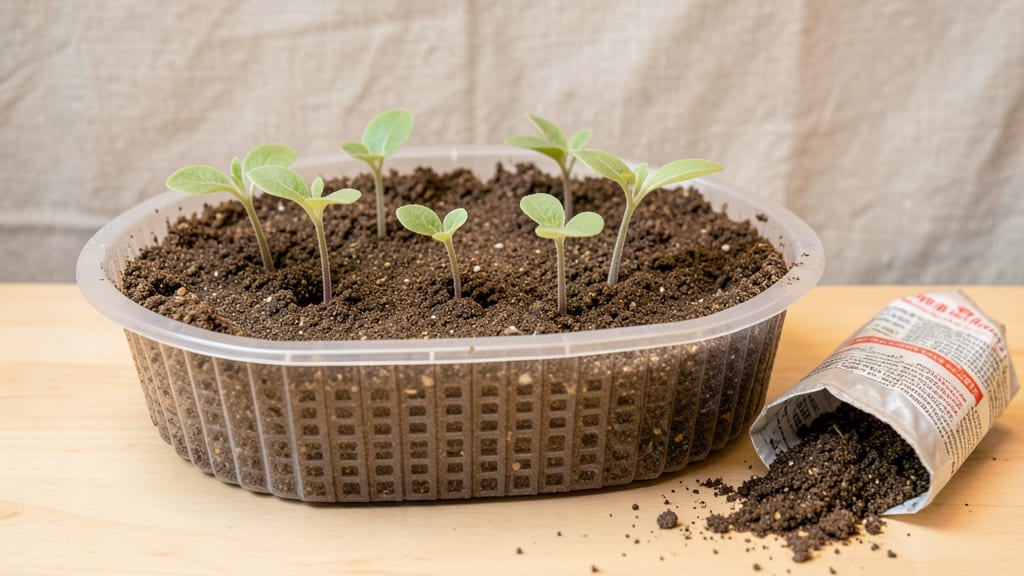
Growing fruit trees from seeds lets you start with the most resilient, vigorous plants—if you know the right germination tricks. 🌱 I’ve turned store-bought avocado pits and apple cores into thriving young trees by breaking the rules most guides follow.
The key isn’t patience; it’s creating the exact conditions that trick seeds into sprouting fast and strong.
You’ll need just three things: a warm, humid environment (like a sealed container with damp paper towels), a sunny windowsill or grow light, and a little patience for the first few weeks.
Most seeds need 30-90 days to crack open, but with these tweaks, you’ll see sprouts in half that time. The payoff? Trees that grow twice as bushy as nursery saplings because they’ve already developed deep root systems.
By the time you’re transplanting, you’ll have sturdy seedlings ready to handle outdoor conditions—no shock or wilting. These trees won’t bear fruit for years, but the early growth phase is where you build a strong foundation.
The secret weapon? A mix of bottom heat (like a heating mat) and consistent moisture without drowning the seeds.
Works for apples, citrus, and avocados, though some varieties (like peaches) need special treatment. Here’s how to skip the guesswork and get reliable results every time—no green thumb required.
📚 In This Guide
- What you need
- Instructions
- Tips and common mistakes
- Wrapping up and next steps
What you need
- ● Fruit tree seeds: 5–10 seeds (choose from varieties like apple, citrus, avocado, or peach—ensure they’re fresh or properly stored).
- ● Seed-starting mix: 2–3 cups of sterile, well-draining potting soil (avoid garden soil—it’s too dense!).
- ● Small pots or seed trays: 4–6 individual containers (3–4 inches deep) with drainage holes.
- ● Clear plastic wrap or humidity dome: To create a mini greenhouse effect.
- ● Spray bottle: For gentle watering (avoid over-saturating the soil!).
- ● Grow lights or sunny windowsill: A warm, bright spot (6–8 hours of light daily).
- ○ Seedling heat mat (optional): Keeps soil warm (70–85°F) for faster germination.
- ● Fertilizer (balanced, water-soluble): Dilute to half-strength once sprouts appear.
- ● Pruning shears: For trimming leggy seedlings later.
- ● pH testing kit: Ensures soil pH is ideal (6.0–7.0 for most fruit trees).
- ● Patience: Germination can take weeks (some seeds, like avocado, sprout in 2–4 weeks; others may take months!).
- ● Space: A dedicated spot for seedlings to grow before transplanting outdoors.
- ● Knowledge of your climate: Research your hardiness zone to pick cold-hardy varieties if needed.
Step-by-Step instructions for growing fruit trees from seeds
Here’s how to coax strong, bushy saplings from seeds—without the years of waiting.
🌱 Step 1: Select and Stratify Seeds for Faster Germination
Start with fresh, plump seeds from organic fruit—avoid store-bought varieties, as they’re often treated to prevent germination. I like to use apple, pear, or peach pits because they respond well to stratification, a process that mimics winter chilling. Place the seeds in a damp paper towel, fold it to contain moisture, and refrigerate for 4-6 weeks. Check weekly to ensure the towel stays damp but not soggy—you’ll see tiny cracks in the seed coat signaling readiness.
This cold treatment breaks seed dormancy, so you won’t waste months waiting. Once the seeds develop a slight softness when pressed, they’re ready for planting. Real talk: If you skip stratification, germination could take 6-12 months instead of weeks.
💧 Step 2: Plant Seeds in Warm, Moist Soil
Fill a 4-inch deep container with sterile seed-starting mix (never garden soil—it’s too dense and may harbor fungi). Moisten the mix until it holds together when squeezed but doesn’t drip. Plant seeds ½ inch deep, spacing them 2 inches apart in the container. I use a small stick to poke holes—this ensures even depth without crushing the seeds.
Cover the container with plastic wrap to trap warmth and humidity, then place it in a 70-75°F spot, like on top of a refrigerator. Germination should begin in 2-4 weeks. Watch for the first true leaves (not the initial seed leaves)—this is your cue to remove the plastic and introduce gentle airflow to toughen the seedlings.
☀️ Step 3: Provide Bright, Indirect Light and Gradual Acclimation
Move seedlings to a south-facing window or under a grow light once they’ve developed 2-3 sets of true leaves. Fruit tree seedlings need 12-14 hours of light daily, but avoid direct midday sun at first—it can scorch tender leaves. I rotate the container quarter-turn daily to prevent leggy growth toward the light source.
After 4-6 weeks, start hardening off by placing seedlings outside in partial shade for 1-2 hours, gradually increasing exposure over 10-14 days. You’ll know they’re ready for full sun when they don’t wilt after a full day outdoors. This slow transition prevents transplant shock.
🌿 Step 4: Prune and Train for Bushy Growth
Once seedlings reach 6-8 inches tall, prune the main stem just above a set of leaves to encourage branching. Use sterilized scissors to make clean cuts—this prevents disease and promotes bushier growth. I also pinch back any leggy stems to redirect energy into lateral shoots. Within 4-6 weeks, you’ll see multiple sturdy branches forming.
Fruit trees grown from seeds often produce weak wood, so I fertilize lightly with a balanced 10-10-10 formula every 4-6 weeks during the growing season. Overwatering is the biggest mistake here—keep soil evenly moist but never soggy. You’ll know moisture is right when the top inch feels dry to the touch.
⏰ Step 5: Transplant and Winterize for Long-Term Success
After 8-12 weeks, transplant seedlings into individual 1-gallon pots or directly into the garden in well-draining soil. Choose a spot with full sun and space them 10-12 feet apart—fruit trees need room to grow. Mulch around the base with 2-3 inches of organic matter to retain moisture and suppress weeds.
In colder climates, protect young trees with burlap wraps or a mini greenhouse cover during winter. Seeds grown from fruit may take 3-5 years to bear edible fruit, but the bushy structure you’ve cultivated now ensures a strong framework for future harvests. Patience pays off—you’re building a tree, not just a plant.
Tips & tricks for perfect fruit tree seedlings
These game-changing tricks will help you skip the years of waiting and grow sturdy, bushy fruit trees from seeds in record time.
The Stratification Secret: Don't rush the 4-6 week cold treatment—this is where the magic happens. I've learned the hard way that cutting corners here leads to weak seedlings. Place your seeds in a sealed plastic bag with a damp paper towel to maintain consistent moisture during stratification. The slight softening you feel when pressing the seed is your green light to plant. Pro tip: Write the date on the bag so you don't forget when that crucial 6-week period begins.
Lighting Strategy for Strong Stems: In Step 3, when your seedlings develop 2-3 sets of true leaves, position them within 6 inches of a grow light if natural light is insufficient. The 12-14 hours of light requirement is non-negotiable for fruit tree seedlings—they need this consistent light to develop strong cell walls. I rotate my containers daily to prevent leggy growth toward one light source. This simple quarter-turn keeps your seedlings growing uniformly.
Pruning Precision: When pruning in Step 4 to encourage branching, make your cuts just above a set of leaves at a 45-degree angle. This angled cut prevents water from pooling on the stem, which could lead to rot. Sterilize your scissors with rubbing alcohol between cuts to avoid spreading any potential pathogens. The goal is to create a bushy structure now that will support heavy fruit later—don't be afraid to be aggressive with your pruning in these early stages.
Hardening Off Hack: For the 10-14 day hardening process in Step 3, I gradually increase outdoor exposure by moving my seedlings to progressively sunnier spots each day. Start with just 1-2 hours in partial shade, then add 30 minutes to their outdoor time each subsequent day. Watch for signs of stress like curled leaves—this tells you to slow down the process. By the time they're ready for full sun, their leaves will look plump and vibrant, not wilted.
Pro Tips for Fruit Trees Seeds
- These game-changing tricks will help you skip the years of waiting and grow sturdy, bushy fruit trees from seeds in record time.
- The Stratification Secret: Don't rush the 4-6 week cold treatment—this is where the magic happens.
- Lighting Strategy for Strong Stems: In Step 3, when your seedlings develop 2-3 sets of true leaves, position them within 6 inches of a grow light if natural light is insufficient.
Frequently asked questions
Got questions about growing fruit trees from seeds?
You’re not alone! Here are answers to the most common queries—so you can skip the guesswork and get straight to planting.
How long does it take for fruit tree seeds to germinate?
Germination time varies by species, but most fruit tree seeds take 2 to 6 weeks to sprout. Some, like apple or cherry, may need cold stratification (mimicking winter) for 30–90 days before planting. Patience is key—keep soil moist and warm (70–85°F) for best results.
Why aren’t my seeds sprouting? Troubleshooting tips
Seeds might fail to germinate due to dormancy, poor soil, or improper moisture. Try these fixes:
- Cold treatment: Place seeds in a damp paper towel in the fridge for 1–3 months (especially for stone fruits like peaches).
- Scarify hard seeds: Gently nick the seed coat with sandpaper or soak in warm water overnight (great for citrus or avocado).
- Check depth: Plant seeds twice as deep as their width—too shallow = dryness; too deep = rot.
Will seeds from store-bought fruit grow true-to-type trees?
Probably not! Most grocery-store fruit is hybridized for taste, not genetics. Seedlings may grow into wild, unpredictable trees—different fruit size, shape, or even flavor. For reliable results, buy seeds from heirloom or grafted trees or rootstock.
Can I grow a fruit tree from a seed in a small space?
Start seeds in small pots (4–6 inches wide) or even egg cartons, then transplant to larger containers (5+ gallons) as they grow. Dwarf varieties (like columnar apples) are ideal for patios. Just ensure they get 6+ hours of sunlight daily and prune regularly to control size.
What’s the best alternative if seeds don’t work?
If germination fails or you want faster results, try:
- Grafting: Attach a scion (cutting) from a known fruit tree to a rootstock.
- Layering: Bend a low branch to the ground, cover with soil, and wait for roots to form.
- Buy young trees: Nursery saplings (1–3 years old) fruit sooner and are disease-resistant.
Wrapping up and next steps
Growing fruit trees from seeds is a rewarding journey that connects you to nature while yielding delicious, homegrown harvests! With the right germination tricks—like proper stratification, warmth, and patience—you can nurture bushy, thriving trees in just a few weeks.
Whether you're a beginner or a seasoned gardener, every seed holds the potential for lush foliage and future fruit.
🌱 Ready to take the next step? Start by selecting your favorite seeds, gather your supplies, and dive in! Share your progress with fellow gardeners or experiment with different fruit varieties—your backyard orchard awaits! Happy planting!