Vegetables
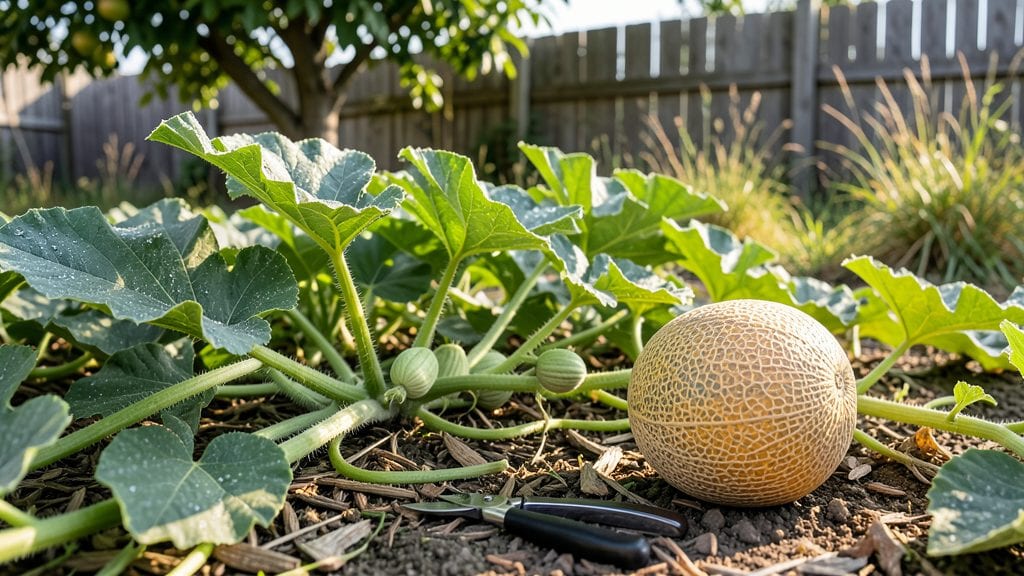
Cantaloupe seeds are healthy to eat in moderation, packed with protein, healthy fats, magnesium, and fiber, but may contain traces of cucurbitacin, which can cause bitterness or mild stomach upset in some people. Always wash and consume fresh, raw seeds in small amounts.
Cantaloupe seeds are a nutrient powerhouse, offering more than just fiber—they contain nearly 30% protein by weight, making them one of the most protein-rich fruit seeds available. 🌱 Beyond protein, they deliver heart-healthy fats and minerals like magnesium and zinc, which support everything from muscle function to immune health.
However, their bitterness comes from cucurbitacin, a natural compound that can cause mild digestive discomfort in sensitive individuals. That's why I always recommend trying just a teaspoon of fresh seeds first to test tolerance.
For those curious about alternatives, roasting the seeds brings out their nuttier flavor and reduces bitterness while preserving nutrients. You can also blend them into smoothies or sprinkle them on salads, though they work best when fresh.
Just remember: moderation is key—start with small portions to let your body adjust to their unique taste and potential effects.
💡 In This Article
- Nutritional Profile of Cantaloupe Seeds
- Safe Ways to Eat Cantaloupe Seeds
Nutritional profile of cantaloupe seeds
Cantaloupe seeds are a surprising nutritional powerhouse, delivering a protein content that rivals many plant-based protein sources. A 1-ounce (28-gram) serving of fresh cantaloupe seeds contains approximately 9 grams of protein, which is comparable to 1 ounce of pumpkin seeds (9 grams) but with a slightly higher fat profile.
The fats are primarily unsaturated, including omega-6 fatty acids, which support heart health and reduce inflammation when consumed in balance with omega-3s.
The micronutrient profile is equally impressive. These tiny seeds pack 15% of the daily value for magnesium per serving, a mineral critical for muscle function and nerve signaling.
They also provide 8% of the daily value for zinc, an immune-boosting mineral, and 10% for potassium, which helps regulate blood pressure. Unlike many seeds, cantaloupe seeds contain minimal phytic acid when fresh, meaning their minerals are more bioavailable than those in roasted or stored seeds.
What sets cantaloupe seeds apart is their antioxidant content. They contain beta-carotene (a precursor to vitamin A) and polyphenols, which combat oxidative stress. Studies show these compounds may help reduce chronic disease risk, though more research focuses on the fruit itself.
Compared to pumpkin seeds, cantaloupe seeds have lower fat but higher water content, making them easier to digest for some people while still delivering a protein punch.
Here's how they stack up against other edible seeds per 1-ounce serving:
- Protein: Cantaloupe (9g) vs. Pumpkin (9g) vs. Sunflower (6g)
- Magnesium: Cantaloupe (36mg) vs. Chia (30mg) vs. Flax (39mg)
- Healthy Fats: Cantaloupe (1.5g) vs. Pumpkin (4g) vs. Sesame (4.5g)
The bitterness you might notice comes from cucurbitacin, a compound that's more concentrated in the seed coat. While this can cause mild stomach upset in sensitive individuals, the same compound gives these seeds their antioxidant properties.
Roasting reduces bitterness by breaking down some of these compounds while preserving nutrients like magnesium and zinc.
What most people don't realize is that cantaloupe seeds are one of the few fruit seeds that retain their nutritional value when eaten raw. Unlike pumpkin or squash seeds, which are often roasted for better flavor, cantaloupe seeds can be consumed fresh with minimal preparation.
Their high water content (about 10% by weight) makes them easier to digest than denser seeds like sunflower or chia.