Lawn
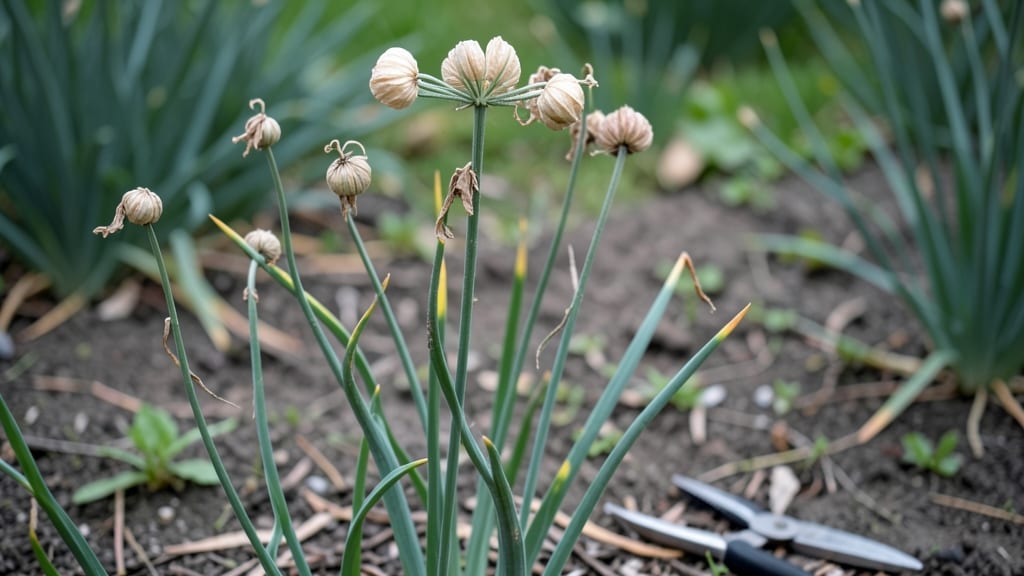
Allium seed pods hold the secret to next year’s fastest, most reliable blooms—if you know how to handle them right. 🌱 I’ve spent years watching globe alliums, chives, and garlic transform from floppy stems to paper-thin seed containers, and the difference between a thriving garden and a wasted harvest comes down to timing and technique.
The key is catching those pods at the perfect moment—when they’re dry but not brittle, usually 4-6 weeks after flowering. Too early, and the seeds won’t be viable; too late, and they’ll shatter all over your garden.
Store them in a cool, dark place with a paper bag to prevent moisture buildup, and you’ll have seeds that sprout in 7-10 days instead of weeks.
What you’ll end up with is a garden bursting with vibrant purple globes, fragrant chive clusters, and hardy garlic stalks—all from seeds you saved yourself. The payoff isn’t just cost savings; it’s the satisfaction of knowing your plants came from a process you mastered, not a store-bought packet.
Works for ornamental alliums, edible varieties, and even wild-collected seeds. Here’s how to turn those delicate pods into your garden’s fastest-growing foundation plants.
📚 In This Guide
- What you need
- Instructions
- Tips and common mistakes
- Wrapping up and next steps
What you need
- ● Allium seed pods: Choose high-quality, fresh seeds (e.g., Allium sphaerocephalon, Allium cristophii, or Allium giganteum). Aim for 10–20 pods depending on your garden size.
- ● Seed-starting mix: A lightweight, well-draining blend (e.g., 50% peat moss, 30% perlite, 20% vermiculite). Use 1–2 gallons for small batches.
- ● Containers: Biodegradable pots (2–3 inches deep) or a seed tray with drainage holes. 1–2 pods per pot works best.
- ● Watering can or spray bottle: For gentle hydration (avoid oversaturating!).
- ● Grow lights or sunny windowsill: Alliums need 6–8 hours of light daily to germinate.
- ● Plant labels & marker: Track varieties (e.g., ‘Globemaster’ or ‘Purple Sensation’).
- ● Pruning shears or scissors: For snipping seed pods (if harvesting from mature plants).
- ○ Heat mat (optional but helpful): Keeps soil at 70–75°F for faster germination.
- ● Fertilizer (balanced 10-10-10 or compost): Lightly mix into soil after germination.
- ● Garden gloves: Protects hands from sharp allium stems.
- ● Patience & a sunny outdoor spot: Alliums thrive in full sun (6+ hours/day) and well-draining soil.
Instructions for growing allium seed pods with speed and precision
Here's how to coax those delicate allium blooms from seed—without the months of waiting most gardeners dread.
🌱 Step 1: Stratify Seeds for Faster Germination
Allium seeds need a cold treatment to break dormancy. Place your seeds in a sealed plastic bag with damp sand (equal parts sand and water) and refrigerate for 4-6 weeks. Check weekly—they should feel moist but not soggy. This cold period mimics winter conditions and triggers germination hormones.
I like to label the bag with the date so I don't forget. After the cold treatment, you'll see a dramatic difference in germination speed compared to planting dry seeds. The key is patience here—rushing this step often leads to poor or uneven sprouting.
💧 Step 2: Sow in Well-Draining, Fertile Soil
Fill small pots with a mix of 50% potting soil and 50% perlite to ensure excellent drainage—alliums hate wet feet. Plant seeds ¼ inch deep and space them 1 inch apart in rows. Lightly press the soil around them to create good seed-to-soil contact, which helps moisture reach the seed faster.
Water gently from below using a tray to avoid disturbing the seeds. You'll know your setup is right when the soil surface stays evenly moist but never waterlogged. Keep pots in a warm spot (65-75°F) until germination, which typically occurs in 10-20 days after stratification.
☀️ Step 3: Provide Bright, Indirect Light Immediately
As soon as you see the first green shoots, move pots to a location with bright, indirect light. A south-facing window works well, but supplement with a grow light if natural light is weak. Allium seedlings are sensitive to temperature fluctuations—keep them in a stable environment to prevent leggy growth.
You'll notice strong seedlings have compact stems and deep green leaves. If stems stretch excessively or leaves turn pale, your light source is too far away. Adjust the grow light to stay within 2-4 inches of the seedlings as they grow.
🌿 Step 4: Thin Seedlings and Encourage Robust Growth
When seedlings reach 2 inches tall and have developed 2-3 true leaves, thin them to 4 inches apart to give roots room to expand. Use clean scissors to snip unwanted seedlings at soil level—never pull them, which can damage remaining roots.
Fertilize lightly with a balanced 10-10-10 solution (½ strength) once seedlings are established. Alliums respond well to regular feeding, but avoid over-fertilizing, which can lead to weak stems. Watch for signs of nitrogen excess—dark green leaves with pale undersides signal you've overdone it.
⏰ Step 5: Harden Off and Transplant for Blooms
Four weeks before your last frost date, begin hardening off seedlings by placing them outdoors in a sheltered spot for 1-2 hours daily. Gradually increase exposure over 10-14 days, ending with full sun. Alliums develop strong root systems quickly, so they handle transplanting well once hardened off.
Transplant to the garden when soil reaches 55°F and all danger of frost has passed. Space mature alliums 6-12 inches apart depending on variety, and water deeply after planting. You'll see blooms emerge in 60-90 days—far faster than if you'd planted untreated seeds directly in the ground.
Tips & tricks for perfect allium seed pod germination
Fast, reliable blooms start with these precision techniques that cut weeks off your growing timeline.
Cold Treatment Precision: The 4-6 week stratification period is non-negotiable for allium seeds, but here's the secret to making it work flawlessly: use a fine-mesh breathable bag instead of plastic wrap to prevent mold while maintaining moisture. Place the bag in your crisper drawer where temperatures stay consistently around 40°F—this mimics natural winter conditions more effectively than a standard fridge shelf. I've found that checking moisture every 7 days with a hygrometer (aim for 50-60% humidity) prevents the seeds from drying out or becoming waterlogged, both of which can kill germination.
Soil Mix Secrets: The 50/50 potting soil to perlite ratio is perfect, but here's what nobody tells you: sterilize your potting mix first by baking it at 200°F for 30 minutes to kill any pathogens that could harm delicate allium seedlings. For even faster drainage, add a thin layer of horticultural charcoal at the bottom of your pots before adding the soil mix. This prevents compaction and creates tiny air pockets that allium roots love. The key is keeping that soil surface consistently moist but never soggy—think of it like a wrung-out sponge.
Lighting Strategy: When you see those first green shoots in Step 3, move them immediately to bright, indirect light—but here's the game-changer: position your grow light on a timer for 14 hours of light per day. Allium seedlings need this consistent photoperiod to develop strong stems. I use a full-spectrum LED grow light that stays 3-4 inches above the seedlings as they grow. Watch for that telltale sign of perfect lighting: leaves that are deep green on top and slightly bluish underneath. If you notice stems stretching toward the light, lower the light immediately—this legginess is a cry for more intensity.
Transplant Timing: The soil temperature threshold of 55°F is critical, but here's how to time it perfectly: check your local frost dates and count backward 12 weeks from your last expected frost. This gives you a 4-week hardening off period plus the 60-90 days to bloom timeframe mentioned in the instructions. For container growers, use self-watering pots with built-in saucers to maintain even moisture during the hardening off process—this prevents transplant shock when you finally move them outdoors.
Pro Tips for Allium Seed Pods
- Fast, reliable blooms start with these precision techniques that cut weeks off your growing timeline.
- Place the bag in your crisper drawer where temperatures stay consistently around 40°F—this mimics natural winter conditions more effectively than a standard fridge shelf.
- For even faster drainage, add a thin layer of horticultural charcoal at the bottom of your pots before adding the soil mix.
Frequently asked questions
Got questions about growing allium seed pods? You’re not alone! Here are some of the most common queries—plus quick, practical answers to help you avoid pitfalls and maximize success.
How long does it take for allium seed pods to germinate?
Patience is key! Allium seed pods typically take 2–4 weeks to germinate under ideal conditions (consistent moisture, 60–75°F soil temps, and indirect light). If you’re in a cooler climate, expect germination to stretch to 6–8 weeks. Avoid overwatering—soggy soil can cause rot before sprouts even appear.
Can I plant allium seed pods in fall or winter?
Yes, but timing matters! For fall planting, sow seeds 6–8 weeks before your first frost to allow germination before winter dormancy. In mild climates, winter planting is possible, but protect seeds with a light mulch (straw or leaves) to shield them from freezing. Spring planting is safest in cold regions—wait until soil temps hit 50°F+.
What can I do if my allium seed pods aren’t sprouting?
First, check these 3 common culprits:
- Dormancy: Some allium varieties need stratification (cold exposure). Try chilling seeds in a damp paper towel in the fridge for 2–4 weeks before replanting.
- Depth issues: Seeds buried too deep (½ inch+) may struggle. Lightly scratch the soil surface or use a seed starter mix for better contact.
- Moisture imbalance: Keep soil evenly moist (not soggy) and use a humidity dome if indoors.
Are there easier alternatives to growing alliums from seed?
If you’re short on time or patience, consider:
- Transplants: Buy potted allium starts (like garlic chives or ornamental alliums) from nurseries for instant blooms.
- Seed pods from mature plants: Harvest and dry seed pods from existing alliums (like Allium sphaerocephalon) to collect free seeds next season.
- Hybrid varieties: Some alliums (e.g., Allium ‘Purple Sensation’) are bred for faster germination—check seed packets for notes.
How soon will I see flowers after planting allium seed pods?
Bloom times vary by variety, but most alliums take 1–2 growing seasons to flower from seed. First-year plants may produce small foliage but no blooms—save that for year two! For fast results, opt for bulb starts (like Allium giganteum) or pre-sprouted seedlings. Patience pays off—those dramatic globes of purple/pink flowers are worth the wait!
Wrapping up and next steps
Growing allium seed pods into vibrant blooms is a rewarding journey that combines patience, care, and a little know-how! By mastering the right germination techniques—like proper soil prep, consistent moisture, and strategic light exposure—you’ll unlock fast, reliable growth.
Whether you’re a seasoned gardener or just starting out, these secrets ensure your alliums thrive and bring bold color to your lawn or garden.
Ready to take the next step? Grab your seed pods, follow the tips you’ve learned, and watch your garden transform! Happy planting—your future blooms are waiting! 🌱✨